New mRNA Vaccine Significantly Lowers Melanoma Recurrence Risk
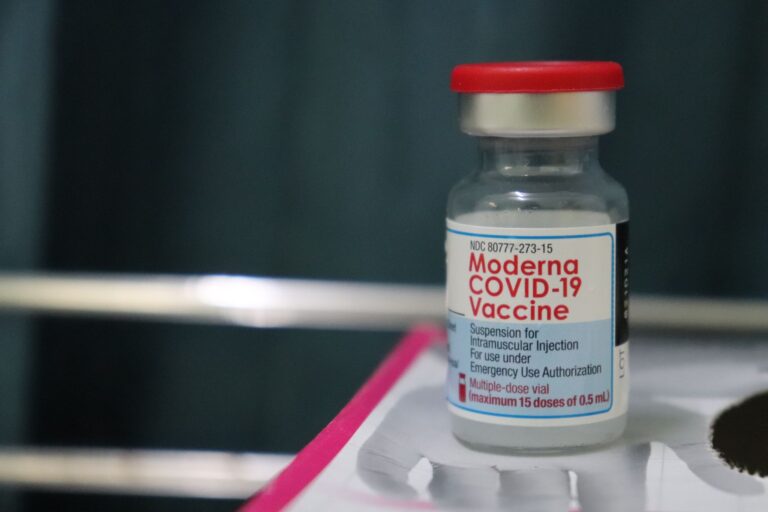
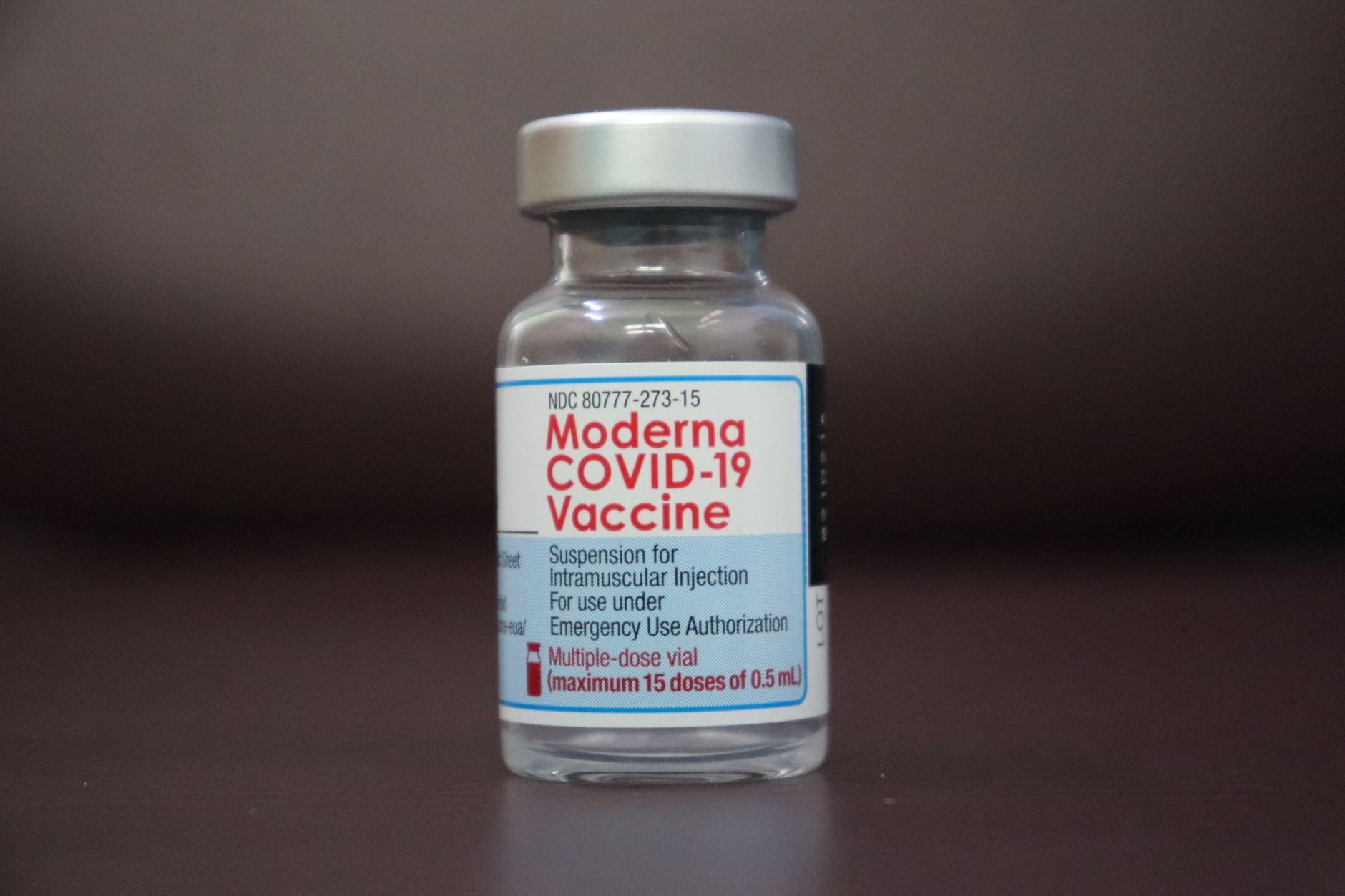
In a groundbreaking development in cancer treatment, a new mRNA vaccine has shown the potential to reduce the risk of melanoma recurrence by more than 40 percent. This innovative therapy, tailored to the individual characteristics of a patient’s tumor, has emerged from a Phase 3 clinical trial, further underscoring the transformative role of mRNA technology in oncology.
Melanoma, a serious form of skin cancer, often poses significant challenges in terms of treatment and recurrence. Traditional therapies have made strides, but the need for more effective solutions remains critical. The latest trial outcomes indicate that this personalized mRNA vaccine could represent a significant leap forward, offering hope to patients and healthcare providers alike.
The vaccine works by harnessing the body’s own immune system to target and eliminate cancer cells. Each dose is specifically designed based on the unique makeup of a patient’s tumor, allowing for a customized approach that enhances the likelihood of a successful response. This personalization is at the heart of the vaccine’s effectiveness, distinguishing it from more conventional treatment methods that often take a one-size-fits-all approach.
During the Phase 3 trial, researchers monitored participants who had previously undergone surgery for melanoma. The results revealed that those who received the mRNA vaccine experienced a substantial decrease in the recurrence of their cancer compared to those who did not receive the vaccine. This promising data not only highlights the vaccine’s effectiveness but also its potential to change the standard of care for melanoma patients.
The implications of this research extend beyond melanoma. The success of mRNA vaccines in treating cancer could pave the way for similar therapies targeting various types of tumors. The adaptability of mRNA technology, which gained widespread attention during the COVID-19 pandemic, is now being harnessed to combat other serious health issues, potentially revolutionizing how we approach cancer treatment.
As researchers continue to analyze the data from the trial and explore further applications of this technology, the medical community is hopeful. The prospect of a successful, personalized vaccine brings new optimism to the fight against melanoma and other cancers, marking a significant milestone in the journey toward more effective cancer therapies.
Patients and their families are encouraged to stay informed about ongoing clinical trials and emerging treatments as the landscape of cancer therapy evolves. With continued advancements in mRNA technology, the future of cancer treatment is looking brighter than ever, promising not only improved patient outcomes but also a renewed sense of hope for millions worldwide.