Hezbollah Prepares for Potential Conflict with Israel, Funded by Iran
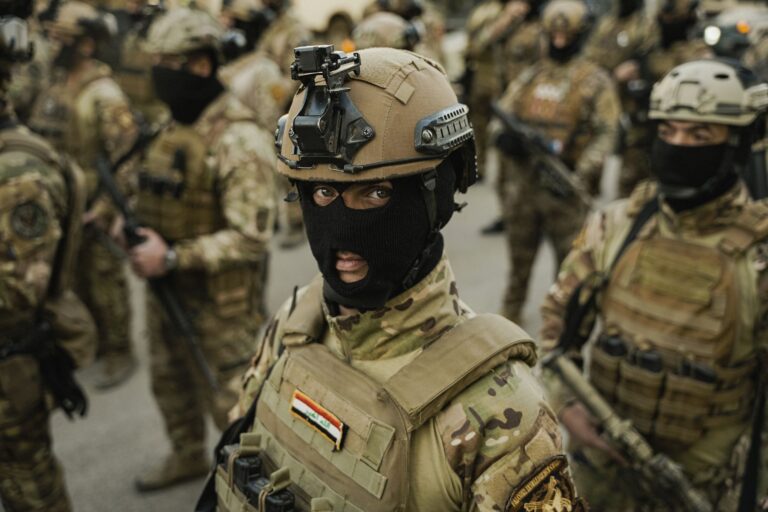
Hezbollah, the Lebanese militant organization, is reportedly gearing up for a renewed conflict with Israel, bolstered by recent financial support from Iran. Sources within Lebanese security services indicate that the group has spent the last three months enhancing its military readiness amid escalating tensions in the region.
Founded in 1982 with the backing of Iran’s Revolutionary Guards, Hezbollah has faced significant challenges in its confrontations with Israel, particularly during the conflicts of 2006 and 2024. These wars resulted in substantial losses for the group, including thousands of fighters and the destruction of a considerable portion of its military capabilities. Despite these setbacks, Hezbollah appears determined to reestablish its position and is now focusing on rebuilding its strength.
Recent intelligence suggests that the infusion of funds from Iran has played a crucial role in Hezbollah’s preparations. This financial backing is likely being utilized to procure military equipment, train fighters, and enhance operational strategies. The group’s leadership is reportedly prioritizing the acquisition of advanced weaponry and fortifying its positions along the Israeli-Lebanese border.
The potential for renewed hostilities comes at a time of heightened regional instability. Increased skirmishes along the border and confrontations involving various armed factions have raised concerns about a larger conflict erupting. Analysts warn that Hezbollah’s actions may provoke a response from Israel, which has maintained a vigilant stance toward its northern neighbor.
Moreover, the group’s historical ties to Iran have significant implications for the broader geopolitical landscape. As Iran continues to assert its influence in the region, Hezbollah’s military readiness could serve as a critical component of its strategy to counter perceived threats from both Israel and other regional adversaries. This dynamic underscores the interconnectedness of local conflicts and the influence of external powers in shaping the security environment in the Middle East.
As the situation develops, many observers are closely monitoring Hezbollah’s movements and the potential for conflict. The group’s commitment to preparing for a confrontation with Israel reflects not only its aspirations to maintain its relevance as a regional player but also the ongoing volatility in the region.
In light of these developments, it remains essential for the community to stay informed about the implications of Hezbollah’s preparations and the broader ramifications for peace and stability in the region. Understanding the motivations and strategies of such armed groups is crucial for fostering informed dialogue and responses to the evolving political landscape.