Netanyahu’s Political Survival on the Line as Israel Votes
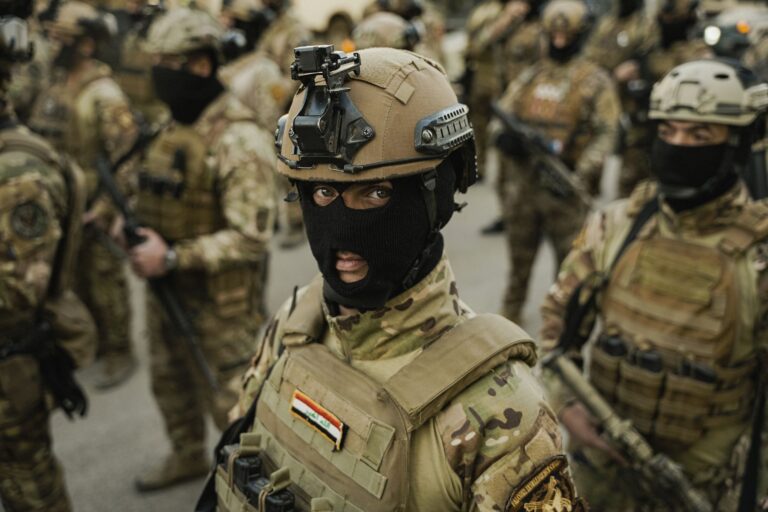
As Israel heads into a critical election on Tuesday, Prime Minister Benjamin Netanyahu finds himself at a crossroads that could determine his political future. The upcoming vote comes in the wake of significant challenges, including recent Hamas-led attacks and ongoing conflicts in Gaza and with Iran, which have tested Netanyahu’s leadership during his lengthy tenure as the country’s leader.
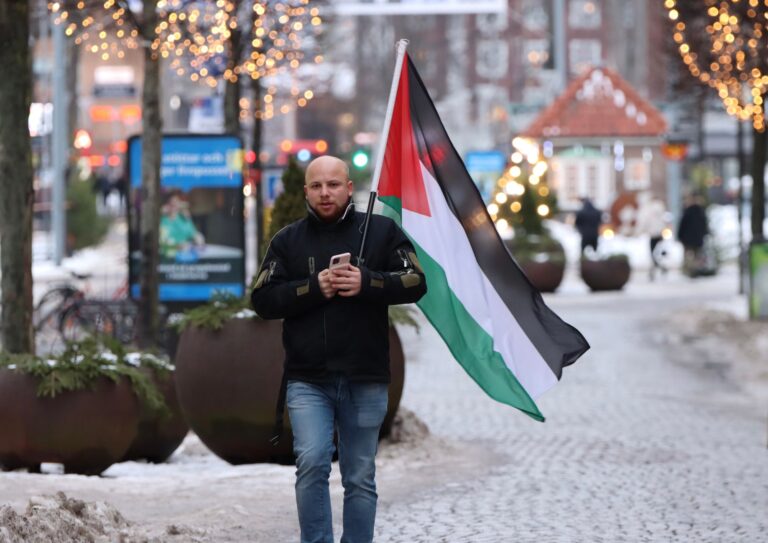
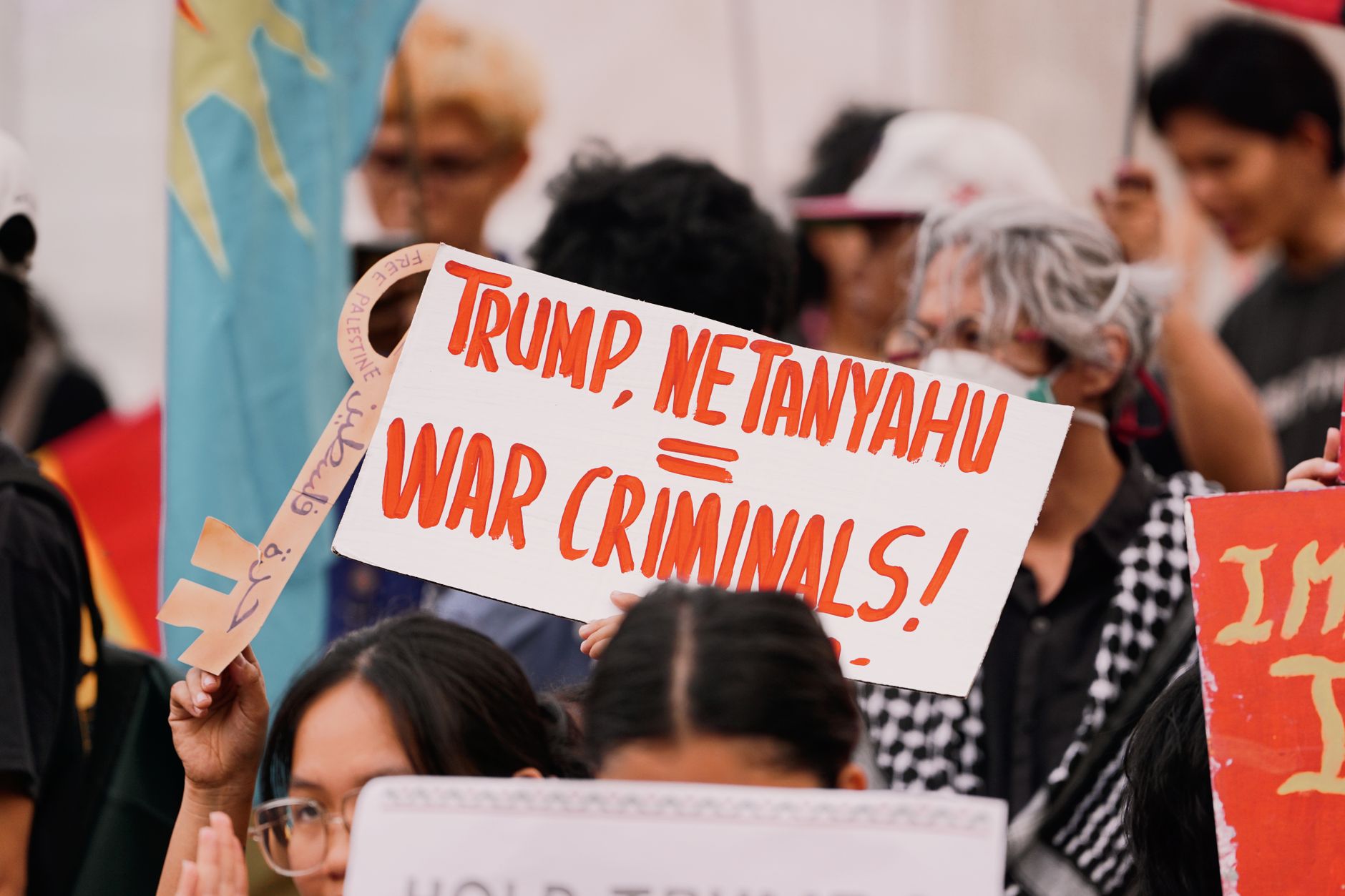
Netanyahu, who has held the position of prime minister longer than anyone else in Israeli history, is navigating a complex landscape marked by increasing international isolation. Many voters are reflecting on his administration’s handling of national security and foreign relations, weighing whether his policies have effectively safeguarded the country amidst escalating threats. Public sentiment is divided, with some viewing Netanyahu as a seasoned leader capable of steering Israel through turbulent times, while others criticize his approach and question his ability to unite the country.
The backdrop of these elections is further complicated by the fragmented nature of Israel’s political system, which has seen the rise of various parties representing a wide range of ideologies. This fragmentation could work in Netanyahu’s favor, as it may leave him in a strong position to negotiate potential coalition partnerships, should he choose to continue leading the government.
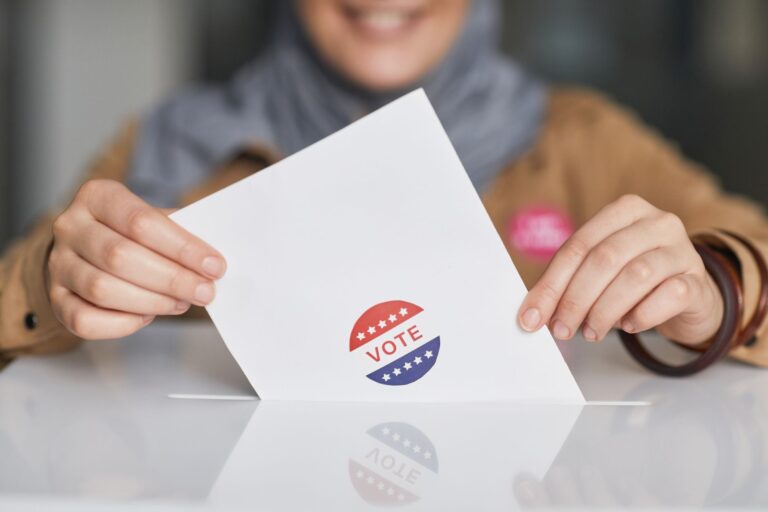
Voter turnout will be a crucial factor in determining the election’s outcome. Many Israelis are disillusioned with the political process, which has frequently resulted in deadlock and multiple elections in recent years. However, the current geopolitical climate may galvanize citizens to exercise their democratic right and make their voices heard.
In a time of heightened anxiety over security, Netanyahu’s messaging has largely focused on strength and resilience. His supporters argue that his experience and long-standing relationships with key international players position him uniquely to navigate the threats facing Israel. Conversely, opponents of his administration argue that his policies have led to a deterioration of Israel’s standing in the global community and have exacerbated domestic divisions.
As the election approaches, voters are grappling with the implications of their choices. The outcome could reshape the landscape of Israeli politics and influence the country’s direction in dealing with both regional and global challenges. With Netanyahu’s political survival at stake, the election results will not only impact his future but also the broader trajectory of Israel’s governance and its international relations.