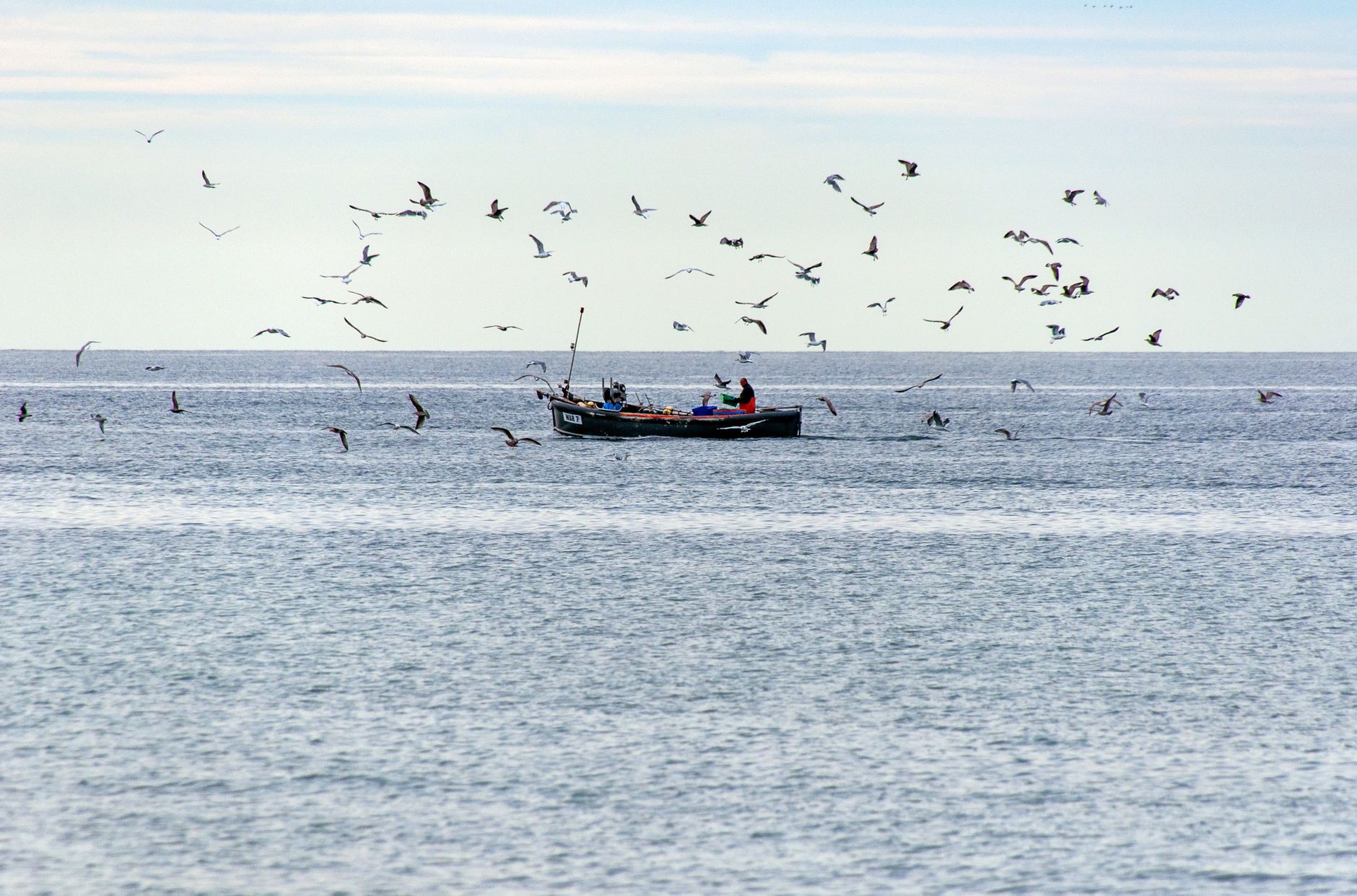
Seabirds Race Home Over the Ocean, Experience Jet Lag
As oceanic wanderers, seabirds are known for their incredible long-distance flights, often traveling thousands of miles between feeding grounds and nesting sites. However, new research suggests that these avian athletes may experience jet lag similar to humans after long journeys across vast stretches of water.
A recent study has shed light on how these birds, specifically species that breed in the Northern Hemisphere, adjust their internal clocks when returning home. These seabirds, including species like the northern fulmar and the sooty shearwater, embark on extensive migrations that can last several days. During these flights, they encounter various environmental factors, including changes in light and weather conditions, which can disrupt their biological rhythms.
Researchers from a collaborative team of ornithologists and biologists monitored the flight patterns and behavior of seabirds returning from feeding grounds in the open ocean to their breeding colonies. They discovered that the birds’ internal circadian rhythms, which dictate their daily cycles of activity and rest, often lagged behind their physical arrival times. This misalignment can result in disorientation and fatigue, similar to the effects experienced by humans suffering from jet lag after long flights.
The study highlights the significance of light in regulating these birds’ internal clocks. As they fly across time zones and experience varying lengths of daylight, their natural cues for sleep and feeding can become out of sync. For seabirds that rely heavily on their sense of timing to find food and navigate, this can pose serious challenges.
The findings are not just fascinating insights into seabird biology; they also raise broader questions about how climate change and shifting weather patterns might further impact these migratory birds. As ocean temperatures rise and food sources shift, seabirds may find themselves facing longer migrations or altered feeding schedules, potentially exacerbating the effects of jet lag.
Conservationists emphasize the importance of understanding these patterns as they work to protect seabird habitats and migratory routes. Ensuring that these birds have access to safe nesting areas and abundant food sources is crucial for their survival, especially as they adapt to the challenges posed by a changing environment.
In conclusion, the study of jet lag in seabirds opens up new avenues for understanding avian migration and the intricate ways that environmental changes can disrupt delicate biological systems. As these remarkable birds continue their journeys across the ocean, the insights gained from this research may help inform conservation efforts and ensure their continued presence in our skies.