Trump Claims He Could Have Resolved Vietnam War in a Week
During a recent rally, former President Donald Trump made a bold assertion, stating that if he had been in office during the Vietnam War, he could have resolved the conflict in just one week. This claim has sparked discussions and debates among political analysts and historians, raising questions about the complexities and challenges of the war that spanned nearly two decades.
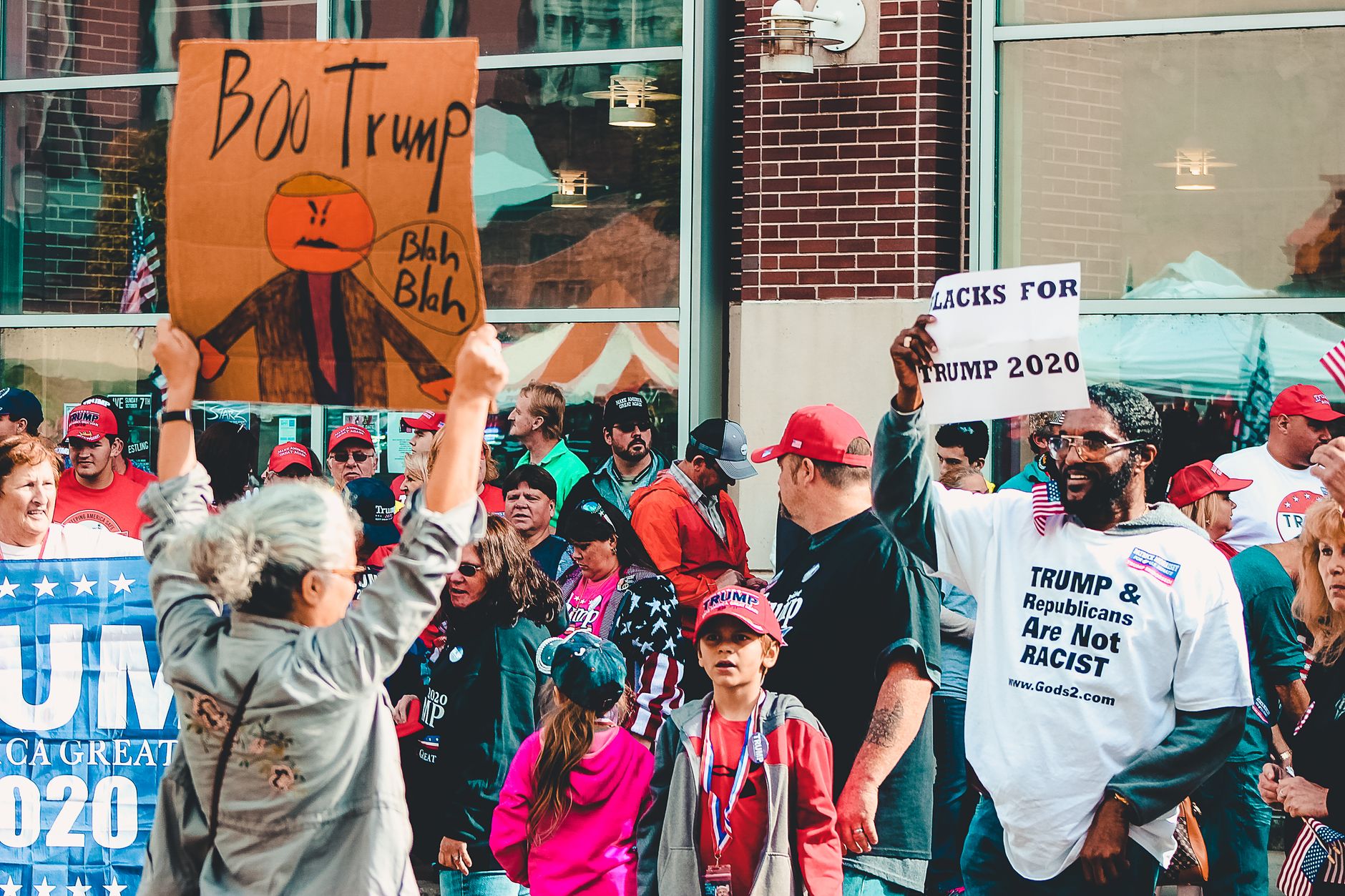
Trump’s statement came as he addressed a crowd, emphasizing his belief in strong leadership and decisive action. He suggested that a different approach, led by his administration, could have drastically altered the course of history in Vietnam. The former president’s remarks were met with a mix of enthusiasm from supporters and skepticism from critics, who point out the intricate realities of the Vietnam War.
The Vietnam War, which lasted from 1955 until 1975, involved significant military and political challenges. The conflict was characterized by guerrilla warfare, complex geopolitical dynamics, and widespread public opposition both in the United States and abroad. Many historians argue that the war was not only a military struggle but also a battle of ideologies, making it difficult to resolve quickly, even for a strong leader.
Critics of Trump’s assertion have raised concerns about oversimplifying such a multifaceted issue. They argue that the underlying causes of the Vietnam War, including colonialism, nationalism, and Cold War dynamics, would have required more than just military might to achieve a swift resolution. Additionally, the extensive loss of life and the impact on both Vietnamese and American societies cannot be overlooked in discussions about the war’s legacy.
Supporters of Trump, however, believe his perspective reflects a desire for a more assertive foreign policy. They argue that his leadership style could have changed the way the U.S. engaged in conflicts, potentially leading to more effective strategies. This viewpoint resonates with many who are critical of past administrations’ handling of military engagements abroad.
As the debate continues, Trump’s comments serve as a reminder of the ongoing discussions surrounding military strategy and the lessons learned from historical conflicts. The Vietnam War remains a pivotal moment in American history, influencing foreign policy and public perception of military interventions for generations.
While Trump’s claim may be seen as an attempt to highlight his leadership capabilities, it also opens the floor for a broader conversation about how the U.S. approaches international conflicts, and the importance of understanding the complexities of historical events. As the nation reflects on its past, the implications of such assertions will likely continue to resonate within political discourse.