Iranian Media Links Explosions to Military Activities, Not US Strikes
Recent explosions in southern Iran have sparked speculation regarding their origins, with Iranian media asserting that the blasts are connected to domestic military operations rather than external attacks, specifically from the United States. This assertion comes as both Iran and the US report incidents involving damage to vessels in or near the strategically significant Strait of Hormuz.
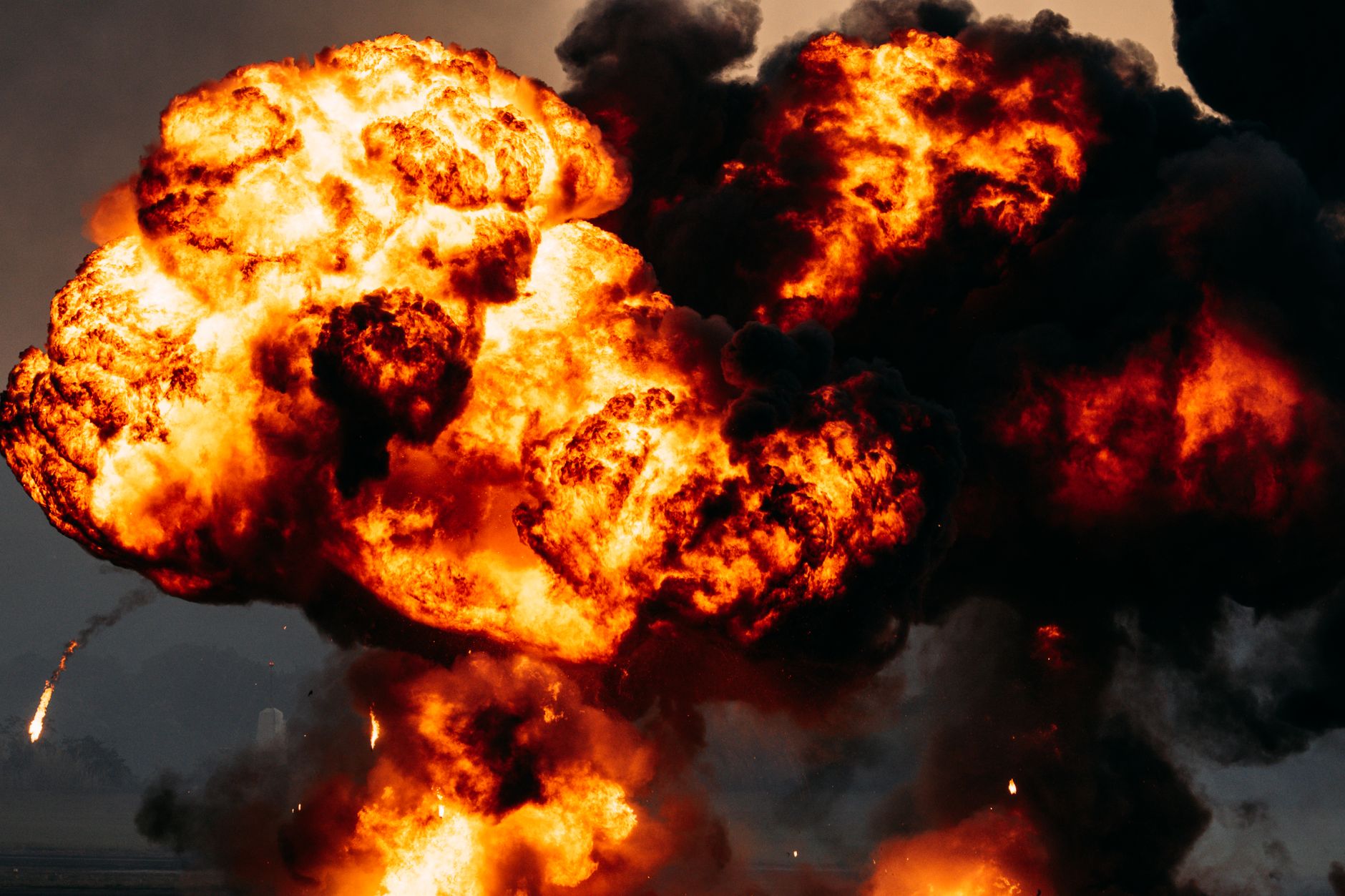
On Saturday evening, multiple explosions were reported in various locations, including Qeshm Island, a key area within the strait. Although these events raised alarms and prompted discussions of possible foreign aggression, Iranian state television has indicated that no official confirmation of missile strikes targeting Iranian soil has been made by government officials.
The Strait of Hormuz is a vital waterway through which a significant portion of the world’s oil supply is transported, making it a focal point for geopolitical tensions. The recent reports of shipping incidents underscore the ongoing volatility in the region, which has seen heightened military activity and rhetoric between Iran and the US.
Both Iranian authorities and US officials have acknowledged that shipping vessels have encountered damage, but they have refrained from attributing responsibility for these incidents to one another definitively. The ambiguity surrounding the situation has led to increased scrutiny and concern among international observers and stakeholders in the oil market.
Analysts suggest that the Iranian government’s portrayal of the explosions as linked to military exercises is an attempt to mitigate fears of foreign attacks while reinforcing its military posture. Iran has previously engaged in military drills in the region, often showcasing its capabilities and asserting its dominance over the waters surrounding its territory.
In contrast, US officials have maintained a cautious stance, emphasizing the need for vigilance in the region and the importance of securing maritime routes. The US Navy has been active in the Strait of Hormuz, conducting patrols and ensuring the safety of commercial shipping.
The situation remains fluid, with potential implications for regional security and international trade. As both nations navigate this tense landscape, the international community watches closely, aware that any miscalculation could lead to escalated conflict.
As developments unfold, it is essential for stakeholders, particularly those within the Arab-American community, to stay informed about the evolving dynamics in this critical region. The interplay of military strategy, economic interests, and geopolitical considerations will likely continue to shape the narrative surrounding the Strait of Hormuz in the coming days.