US Urges Iraq to Limit Border Crossings with Iran, Iraqi Foreign Minister Confirms
The United States has requested that Iraq close nearly all border crossings with Iran, a move aimed at increasing economic pressures on Tehran, according to Iraqi Foreign Minister Fuad Hussein. In a recent interview with Al Jazeera, Hussein revealed that the U.S. Treasury has specifically recommended that only two crossings remain operational, one of which is located in the Kurdistan region.
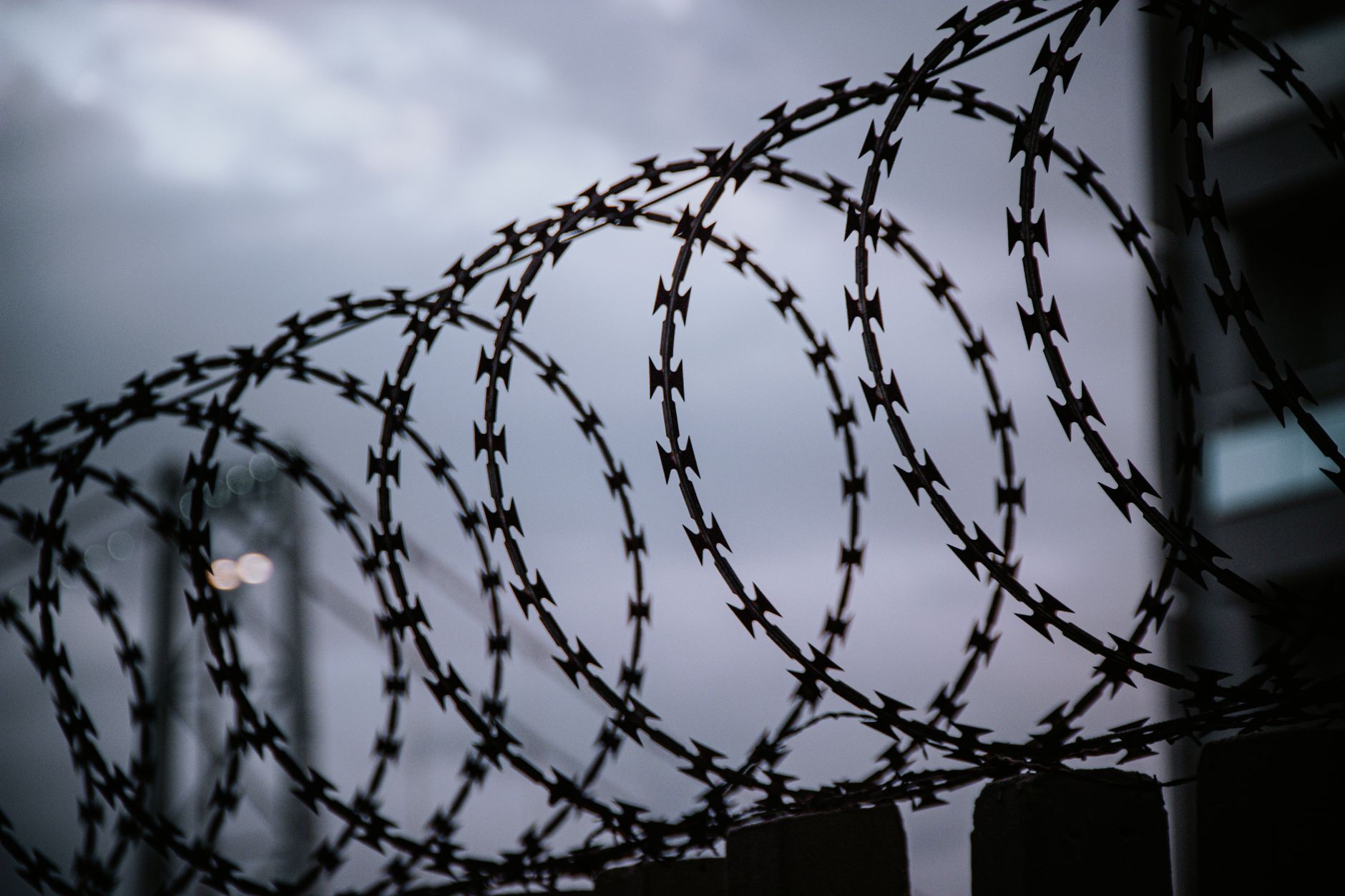
Iraq shares a long and complex border with Iran, featuring numerous official and unofficial crossings. The foreign minister expressed concerns over the implications of such closures, stating that implementing the U.S. demands could prove challenging and detrimental to Iraq’s economy. “There are many official and unofficial border crossings with Iran, and closing all of them would be difficult and would affect our economy,” Hussein remarked. He added that discussions with U.S. officials are ongoing as they navigate the intricacies of this request.
The pressure to restrict border access comes amid heightened tensions between the U.S. and Iran, particularly following Iran’s involvement in regional conflicts and its nuclear program. The U.S. has consistently sought to limit Iran’s influence in the Middle East, and the closure of border crossings is seen as a strategic move to restrict the flow of goods and resources to Iran.
Hussein did not provide specific details about the current status of the negotiations or the timeline for any potential closures. However, he emphasized the necessity for Iraq to balance its international obligations with its economic needs. The Iraqi government faces the difficult task of maintaining good relations with both Washington and Tehran, especially given the significant trade ties between Iraq and Iran.
The implications of these potential border closures could extend beyond economic concerns, potentially affecting the daily lives of many Iraqis who rely on trade and cross-border activities for their livelihoods. Many residents, particularly in border towns, depend on the movement of goods and people across these crossings, and any abrupt changes could lead to economic hardship.
As the situation develops, both the Iraqi government and its citizens will be closely monitoring the outcomes of these discussions with the United States. The balancing act of adhering to international pressure while supporting domestic economic stability remains a significant challenge for Iraq in the current geopolitical landscape.