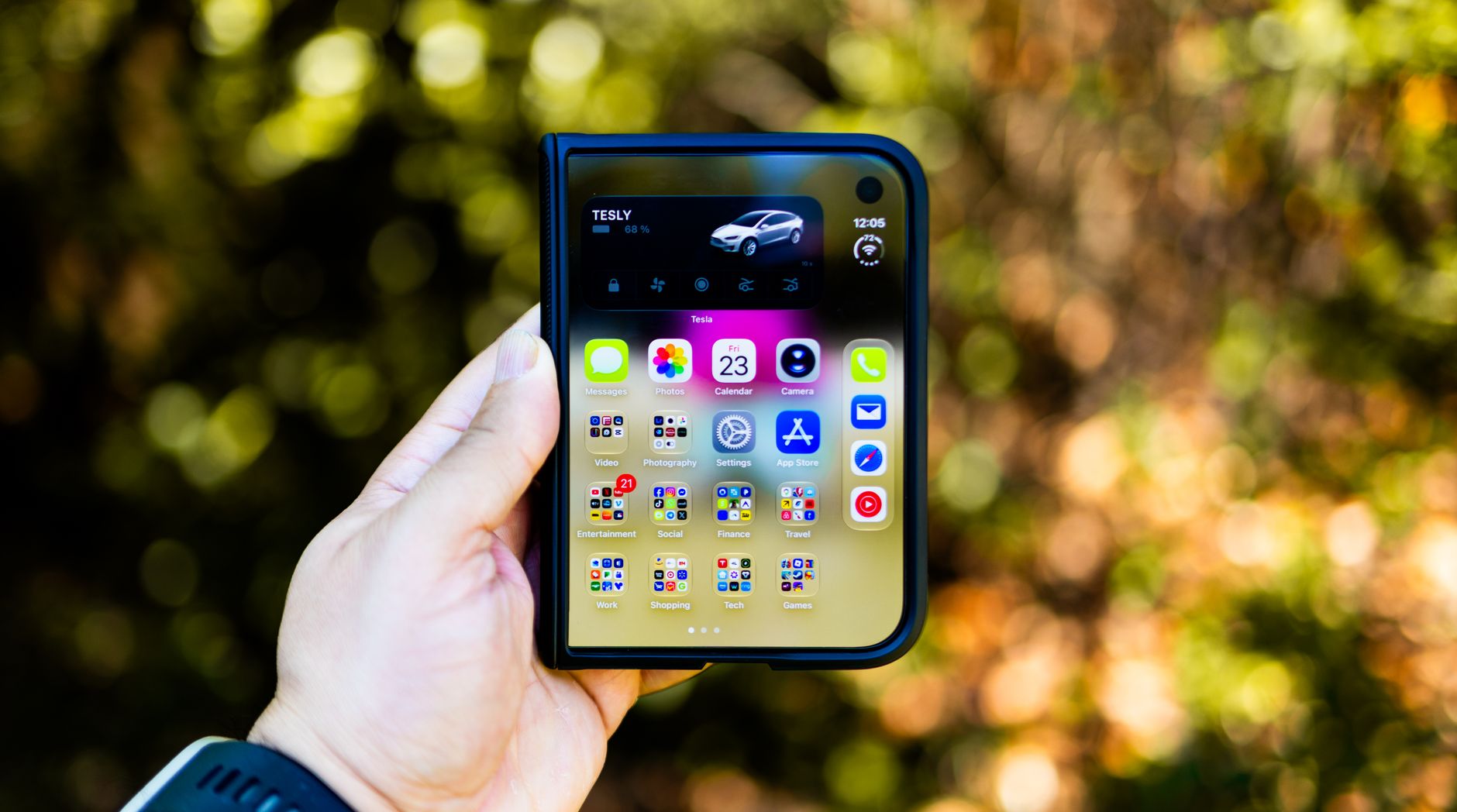
Apple’s New Folding Phone Introduces Limited Face ID Feature
Apple’s latest innovation in mobile technology, its folding phone, has taken a significant step forward by integrating a limited version of Face ID, a feature previously exclusive to its flagship devices. Initially launched with only Touch ID, the new folding phone now enables users to unlock their devices using facial recognition, borrowing technology from the recently released HomeView.
While this addition brings a modern touch to the device, experts caution that the facial recognition capabilities are not as robust as the Face ID found on other Apple products. The limited version serves as a convenient alternative, allowing users to access their phones with a simple glance, but may lack the advanced security measures that Face ID is known for.
The incorporation of facial recognition aligns with Apple’s ongoing commitment to enhancing user experience through innovative technology. The foldable phone combines sleek design with practicality, and the introduction of this feature aims to streamline user interactions. Users can now quickly and easily unlock their devices or access secure apps using their faces, although the company has not disclosed the specific technology behind this newer iteration of facial recognition.
This development reflects a broader trend in the tech industry, where facial recognition is increasingly being adopted across various devices and platforms. As privacy concerns grow, however, the reliance on less secure forms of biometric authentication raises questions about user safety and data protection.
In addition to the new Face ID feature, Apple’s folding phone is designed to optimize user experience with its unique form factor. The device boasts a flexible display that allows for multitasking and enhanced productivity, making it an appealing choice for tech enthusiasts and casual users alike. The combination of Touch ID and the limited Face ID offers users flexibility in how they secure their devices.
As Apple continues to innovate, the introduction of facial recognition on its folding phone showcases the company’s adaptability in a competitive market. While the limited Face ID may not match the security of its predecessors, it enhances the overall functionality of the device.
Looking ahead, it will be interesting to see how Apple evolves this feature and addresses security concerns raised by consumers. The tech giant has a history of refining its technologies, and there is potential for future iterations to incorporate more advanced biometric options. For now, users can enjoy the convenience of unlocking their devices with a glance, even if it comes with certain caveats regarding security.