Clashes at Besiktas Match Against Israeli Club Spark Diplomatic Tensions
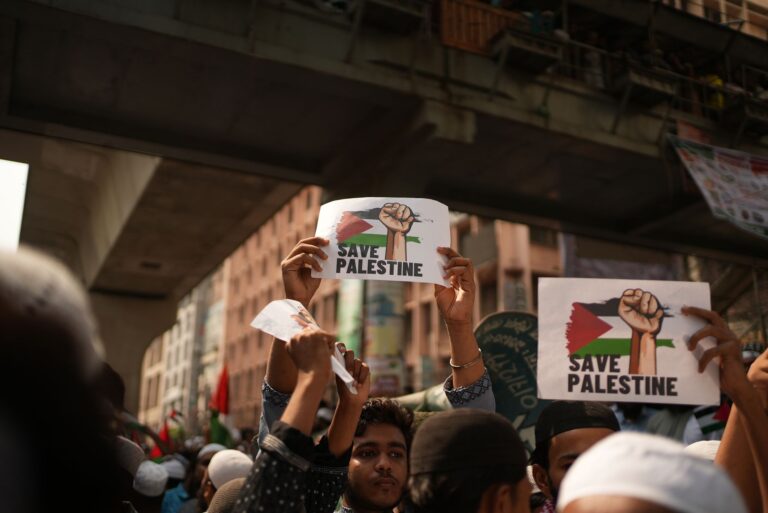
Tensions flared during a UEFA Europa League match in Batumi, Georgia, when supporters of the Turkish football club Besiktas displayed a pro-Palestinian banner in protest against their Israeli opponents, Hapoel Beer-Sheva. The incident, which occurred on Thursday, not only disrupted the match but also led to confrontations between fans and law enforcement, prompting a diplomatic response from Turkey.
The match, which was relocated from Istanbul due to security concerns, was met with significant unrest as Besiktas supporters gathered to express their solidarity with Palestine. Shortly after the banner was unveiled, clashes erupted between the fans and the police, resulting in a temporary suspension of the game. Eyewitness accounts described a chaotic scene, with police employing crowd control measures to manage the escalating situation.
In the aftermath of the clashes, Turkey’s Foreign Minister, Hakan Fidan, reached out to his Georgian counterpart to address the incident. Fidan emphasized the importance of maintaining safety and order for Turkish citizens abroad and expressed concerns over the treatment of Besiktas supporters during the match. This diplomatic communication underscores the heightened sensitivities surrounding the Israeli-Palestinian conflict and its implications beyond the region.
The display of the pro-Palestinian banner at a football match reflects the broader geopolitical tensions experienced in recent years, where sports events have increasingly become platforms for political expression. The involvement of Turkish officials in the aftermath signals a commitment to safeguarding the interests of Turkish nationals and addressing any perceived injustices.
The Georgian government has yet to release an official statement regarding the clashes and the diplomatic exchanges that followed. However, the incident has drawn attention to Georgia’s role as a host for international sporting events, particularly amidst rising tensions related to the Israeli-Palestinian conflict.
As the situation continues to develop, the Besiktas incident serves as a reminder of the intersection of sports and politics, particularly in a region where emotional and historical ties significantly influence public sentiment. Many Arab-American communities are closely monitoring reactions to such events, as they resonate with broader issues of identity and solidarity within the diaspora.
As the match resumed later in the evening, the atmosphere remained charged, with fans from both sides reflecting the deep-seated passions that often accompany football events. Moving forward, it remains to be seen how this incident will impact not only the relationship between Turkey and Georgia but also the dynamics of international football in politically sensitive contexts.