Airstrike in Western Anbar Claims Lives of Seven Iraqi Soldiers, Injures Thirteen
An airstrike in the western Anbar province of Iraq has resulted in the deaths of seven soldiers and injuries to thirteen others, according to reports from security sources and the Iraqi Ministry of Defense. The incident occurred on Wednesday morning around 9:00 AM local time, targeting a site associated with the Shi’ite Popular Mobilization Forces (PMF), close to an army medical facility.
The airstrike specifically struck a military clinic and a nearby engineering unit, which were both part of the PMF, a group that has played a significant role in the fight against the Islamic State (IS) in Iraq. The Ministry of Defense confirmed the casualties and indicated that rescue operations were ongoing at the site, with teams searching for any additional victims who may be trapped under the rubble.
The PMF has been a critical component of Iraq’s security forces, consisting mainly of Shiite militias that were formed in 2014 to combat IS. These groups have since been integrated into the official military structure, although they remain a topic of contention within Iraqi politics and society, particularly regarding their influence and operations.
Local authorities and military officials have not yet disclosed the party responsible for the airstrike. The nature of the attack has raised concerns among military analysts and local residents, who fear that such incidents may escalate tensions in a region that has struggled with violence and instability.
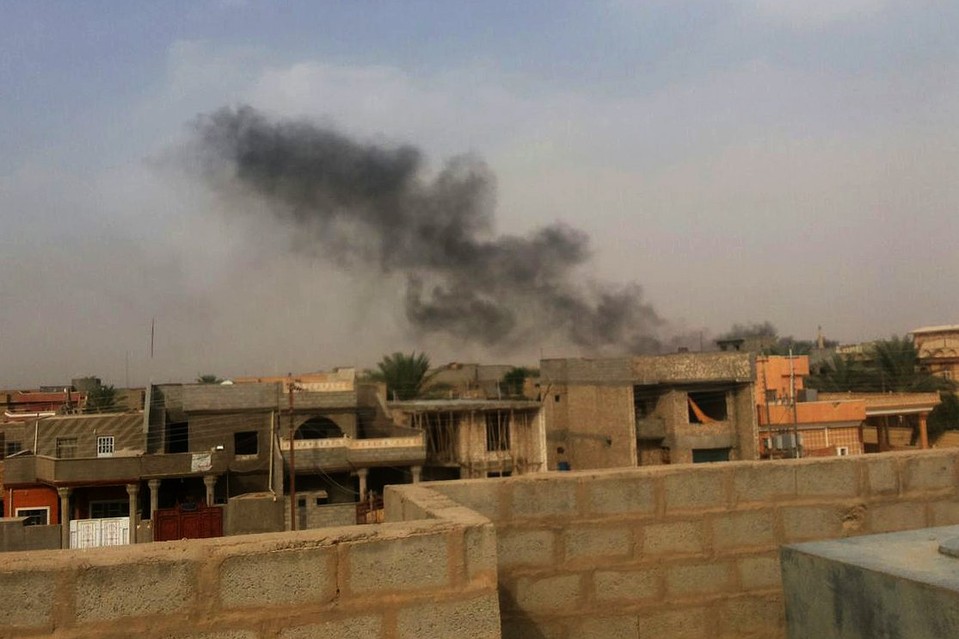
Witnesses at the scene described chaotic conditions immediately following the strike, with smoke billowing from the site and frantic efforts to aid the wounded. Eyewitness accounts also suggest that the airstrike took place during a period when many soldiers were present at the clinic, emphasizing the potential for even greater casualties.
The ongoing violence in Iraq highlights the complex security challenges the country faces. While the military has made significant strides against IS, the presence of various armed groups and the potential for external involvement complicate efforts to achieve lasting stability. This latest airstrike serves as a stark reminder of the precarious situation in regions like Anbar, where military operations often intersect with civilian infrastructure.
As rescue operations continue, the Iraqi government is likely to face mounting pressure to provide answers regarding the identity of those responsible for the attack and to ensure the protection of its armed forces. Meanwhile, the families of the deceased and injured soldiers are left grappling with the tragic consequences of this airstrike, underscoring the profound human cost of conflict in the region.