Bahrain Intensifies Repression of Shia Dissent Amid Regional Tensions
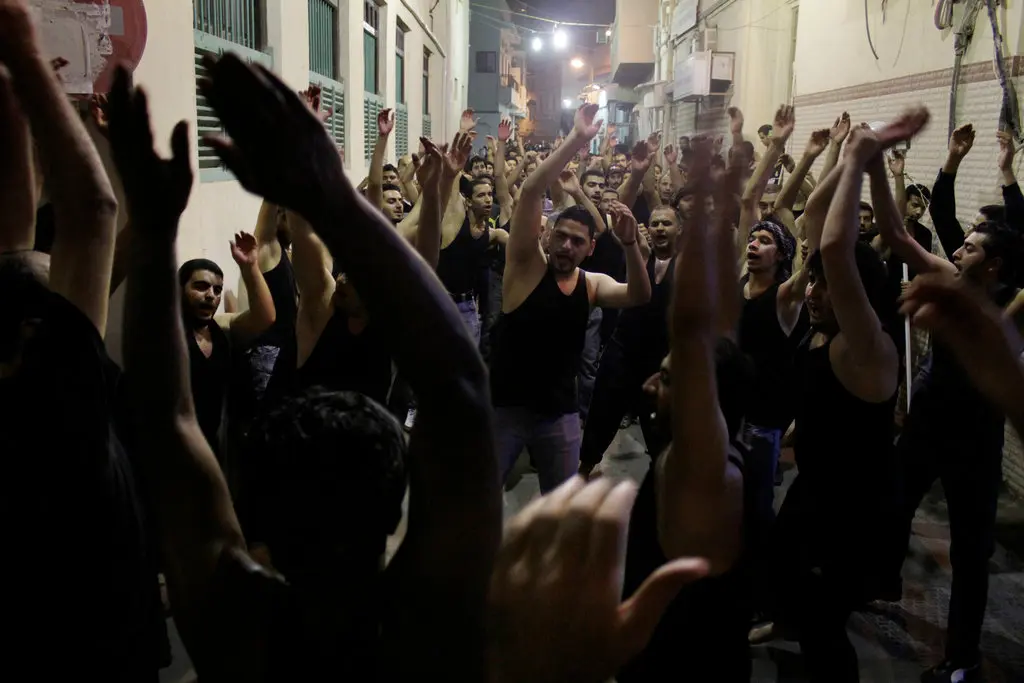
Bahrain is experiencing a significant increase in government repression, particularly targeting the Shia Muslim community, as tensions rise due to the ongoing conflict involving Iran. Activists report that expressions of solidarity with Iran among some Bahrainis, particularly in the context of attacks on U.S. military bases, have triggered a stern response from the authorities.
The Shia population in Bahrain, which constitutes a substantial segment of the kingdom’s demographic, has long voiced grievances regarding political and social marginalization under the predominantly Sunni monarchy. The current geopolitical climate, marked by hostilities between Iran and Western nations, has exacerbated these existing tensions. Activists warn that the government’s reaction to dissent could reignite historical grievances that have persisted for years, potentially leading to further unrest.
Reports indicate that Bahrain’s security forces have intensified their surveillance and crackdown on dissenting voices within the Shia community, reflecting a broader pattern of repression that aims to silence any criticism of the state. This wave of repression comes amid a backdrop of heightened anti-Iranian sentiment in the region, with Bahrain aligning closely with U.S. policies and rhetoric against Tehran.
Many in Bahrain have expressed sympathy for Iran, particularly in light of recent military actions that have targeted U.S. installations. This sentiment is viewed with alarm by the Bahraini government, which perceives it as a direct challenge to its authority and stability. The crackdown has led to arrests and increased restrictions on freedom of expression, raising concerns among human rights organizations that advocate for the rights of marginalized groups in the kingdom.
The situation in Bahrain is particularly delicate given its geographical and political proximity to Iran, which has a significant influence in the region. The Shia community’s frustrations are compounded by the government’s failure to address their demands for equal rights and representation, fostering a sense of disillusionment among many.
International observers have expressed concern over the implications of Bahrain’s actions, noting that suppressing dissent could lead to further polarization within the country. The ongoing conflict in the region, combined with Bahrain’s internal divisions, presents a complex challenge for the monarchy, which must navigate both domestic pressures and external geopolitical dynamics.
As the situation unfolds, the potential for renewed unrest remains a pressing issue, particularly if the government continues its crackdown on dissent within the Shia community. The path forward for Bahrain hinges on the ability of its leaders to address the underlying grievances of its citizens while maintaining stability in a highly volatile regional context.