Can Climate Diplomacy Build on the Collapse of COP31?
The recent conclusion of the COP31 climate talks in Antalya, Turkey, has left negotiators and advocates for climate action reflecting on the future of international climate diplomacy. The conference ended on a disappointing note, with participants unable to reach a political agreement, raising concerns about the effectiveness of the ongoing international efforts to combat climate change.
For nearly thirty years, the annual United Nations climate conferences have served as a crucial platform for countries around the world to discuss and address the pressing issue of climate change. However, the failure to achieve consensus at COP31 has prompted doubts about the direction of these negotiations and their ability to produce tangible outcomes. As climate impacts continue to escalate, particularly for vulnerable nations, the stakes have never been higher.
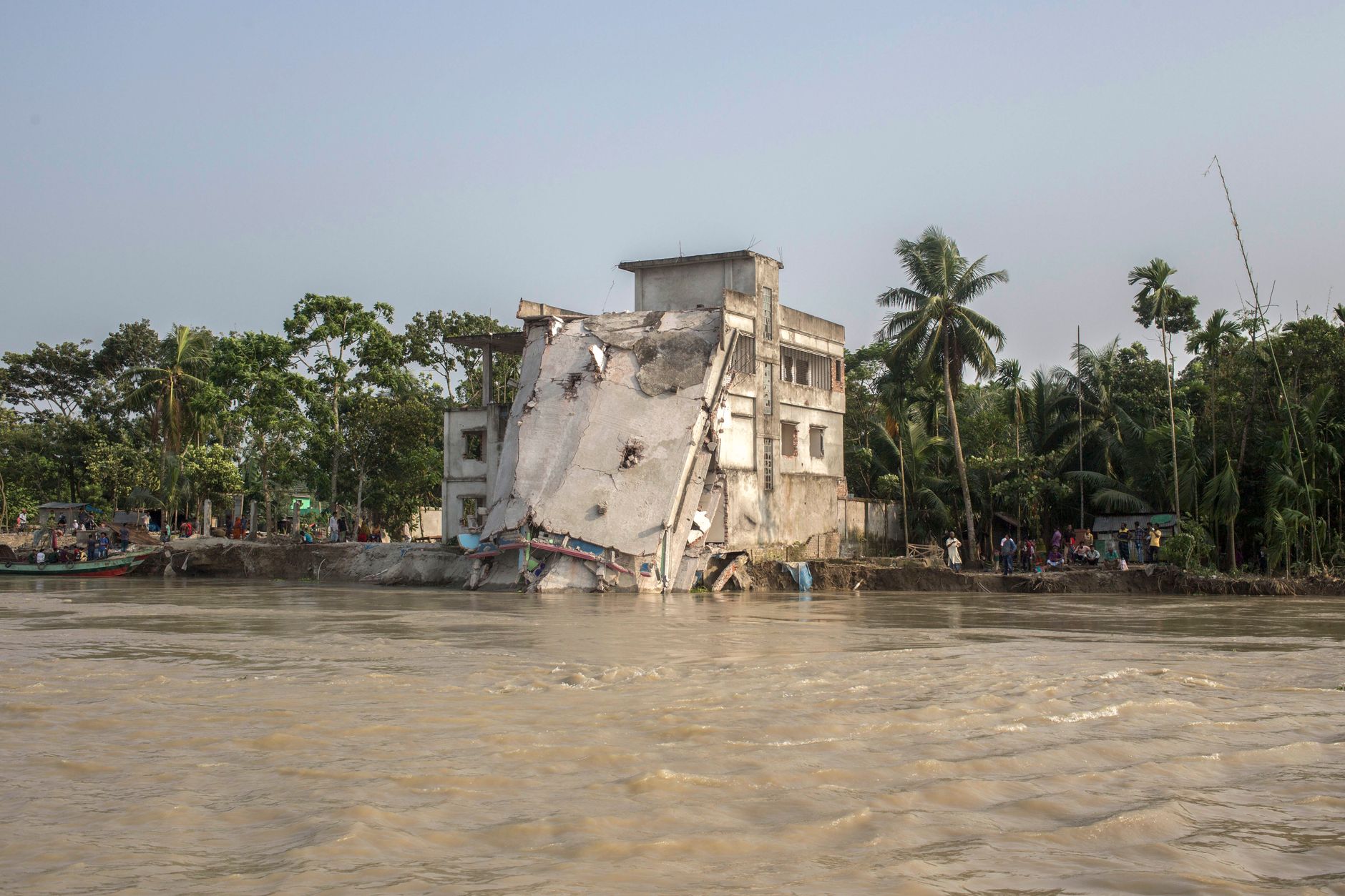
Small island nations and other countries disproportionately affected by climate change often rely on these conferences to highlight their challenges and advocate for essential financial support. Rising sea levels, extreme weather events, and other climate-related threats are making it increasingly difficult for these nations to sustain their populations and economies. The inability to secure a unified agreement at COP31 leaves many of these countries feeling abandoned in their fight against climate change.
While the collapse of COP31 might suggest a stagnation in international climate efforts, some experts argue that it may also present an opportunity for renewed focus and innovation in climate diplomacy. The lack of a formal agreement could push countries to explore alternative approaches to collaboration and funding, potentially leading to more localized and impactful solutions.
In light of the challenges faced at COP31, it is crucial for leaders and policymakers to reassess their strategies. This moment of reflection could inspire new partnerships and initiatives that prioritize resilience and sustainability, particularly for the most affected communities. Engaging with local stakeholders and integrating indigenous knowledge into climate strategies may bolster the effectiveness of solutions moving forward.
As the global community grapples with the implications of the COP31 outcome, it is evident that the fight against climate change requires more than just high-level agreements. It demands a commitment to action from all sectors of society, including governments, businesses, and civil organizations. The urgency of the climate crisis cannot be overstated, and immediate, collaborative action is essential to safeguard the future of vulnerable populations around the world.
Looking ahead, the discourse initiated at COP31 may serve as a catalyst for change, guiding future negotiations and inspiring innovative approaches to climate action. While the path forward remains uncertain, the resilience and determination of those most affected by climate change will continue to drive the conversation and the need for a unified response.