China Positioned to Benefit from Trump’s Midterm Setback
In the aftermath of the recent midterm elections in the United States, many analysts are closely examining the geopolitical ramifications, particularly concerning U.S.-China relations. The electoral outcome has provided China with a strategic opportunity to enhance its influence in the Middle East, especially regarding its relationship with Iran.
Following the midterms, Beijing is likely to emphasize its support for Tehran, portraying its actions as crucial in helping Iran endure ongoing challenges. China’s diplomatic backing has become increasingly significant, particularly as the U.S. grapples with its own political turmoil. This narrative could serve to bolster China’s position on the world stage and strengthen its ties with Iran, which has faced severe economic sanctions and international isolation.
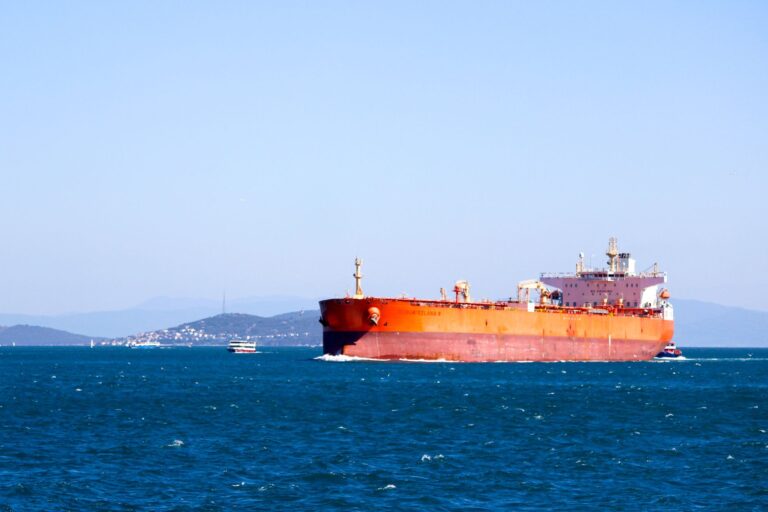
China’s financial and technological investments in Iran have been notable, with ongoing purchases of Iranian oil and the provision of dual-use technology that can be utilized for both civilian and military purposes. This cooperation not only helps Iran navigate the economic difficulties caused by U.S. sanctions but also positions China as a reliable partner for nations seeking alternatives to Western influence. By framing its support as a stabilizing force for Iran, China can cultivate goodwill among other nations that may also be looking to challenge U.S. dominance.
The political consequences of the midterm elections for President Trump could further complicate U.S. foreign policy. A weakened domestic political stance may limit the administration’s ability to effectively respond to China’s expanding influence in the Middle East. With the U.S. preoccupied with internal challenges, China may find it easier to pursue its strategic interests without significant pushback.
Moreover, as the Biden administration continues to navigate its foreign policy objectives, the dynamics in the region could shift. China’s growing presence in Iran could lead to a recalibration of alliances and power balances, potentially isolating the U.S. in a region where it has traditionally exerted considerable influence. Observers are keenly watching how these developments will unfold in the coming months, particularly in light of the U.S. commitment to its allies in the Gulf.
China’s enhanced role in Iran also raises questions about the broader implications for the Middle East. As Beijing continues to engage with various regional players, its approach may encourage other nations to reconsider their alliances and trade partnerships. This shift could lead to a new era of diplomacy in the region, characterized by increased economic cooperation and a departure from traditional Western-led frameworks.
In summary, the political landscape following the midterm elections presents China with an opportunity to solidify its ties with Iran and potentially reshape its role in the Middle East. As the U.S. navigates its internal challenges, the implications of this dynamic will be closely monitored by global stakeholders seeking to understand the future of international relations in the region.