China Ready to Cooperate with Russia to Ease Middle East Tensions, Foreign Minister Says
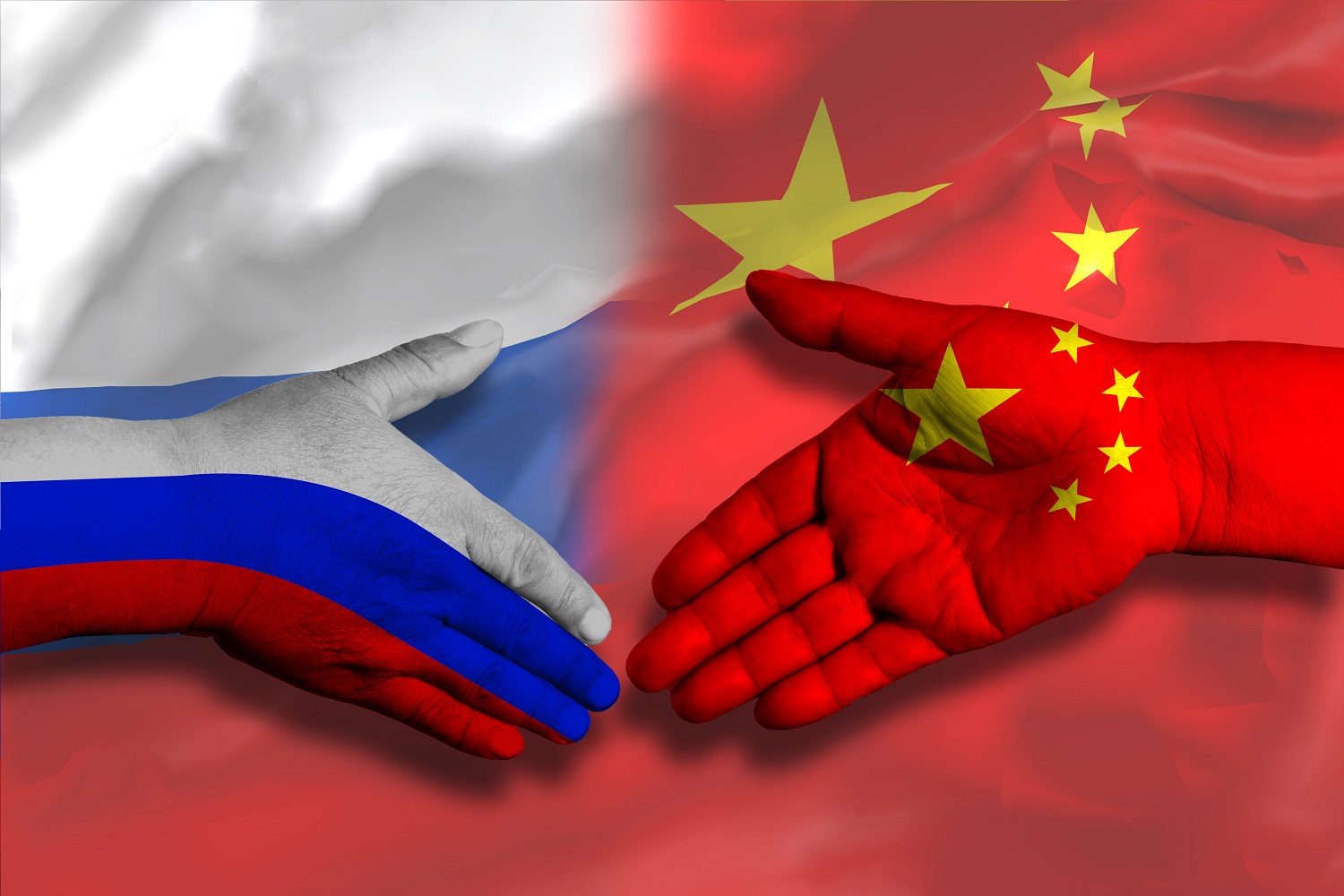
In a recent development emphasizing international diplomatic engagement, China expressed its readiness to collaborate with Russia in addressing escalating tensions in the Middle East. This statement was made by Chinese Foreign Minister Wang Yi during a phone conversation with his Russian counterpart, Sergei Lavrov, and was reported by the state-run Xinhua News Agency.
Wang Yi emphasized the importance of cooperative efforts at the United Nations Security Council, where both nations hold significant influence. He underscored that China is committed to working alongside Russia to foster stability in the region and mitigate ongoing conflicts. The foreign minister highlighted that achieving a ceasefire in troubled areas is crucial for resolving navigation issues in critical waterways, particularly the strategically vital Strait of Hormuz.
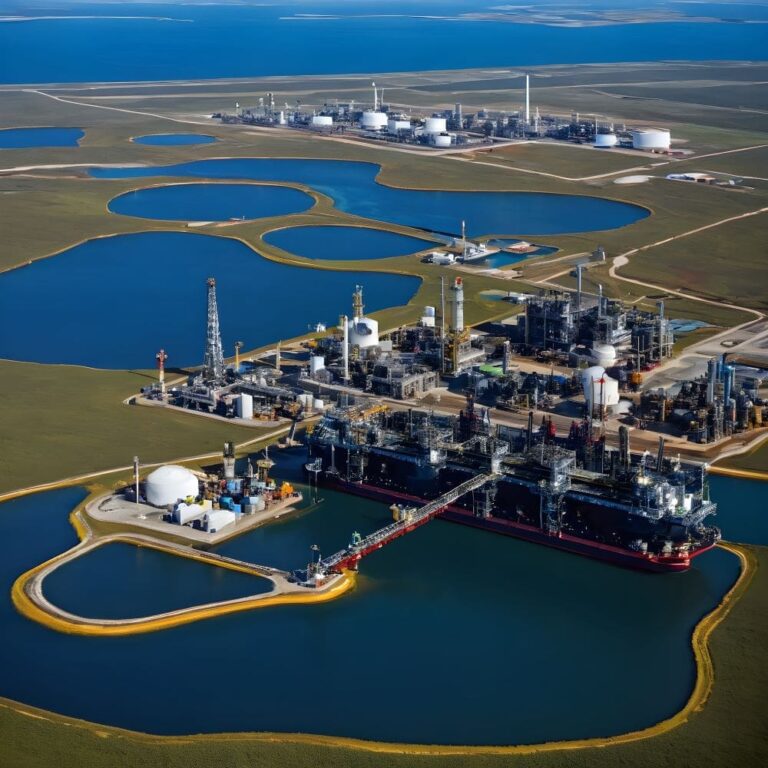
The Strait of Hormuz is a key maritime chokepoint through which a substantial portion of the world’s oil supply is transported. Increased military activity and geopolitical tensions in this area have raised concerns about potential disruptions. Wang Yi reiterated China’s long-standing position advocating for political solutions to regional crises, emphasizing dialogue and negotiation as essential tools for conflict resolution.
The cooperation between China and Russia in this context reflects a broader alignment of interests as both nations have sought to assert their influence in global affairs, especially in regions marked by instability. Their joint efforts at the Security Council aim to promote peaceful resolutions to conflicts, countering unilateral actions that may exacerbate tensions.
As the situation in the Middle East remains volatile, the need for constructive dialogue has never been more pressing. Wang stressed that the resolution of conflicts should prioritize diplomatic engagement rather than military interventions. This approach aligns with China’s foreign policy principles, which advocate for respect for national sovereignty and territorial integrity.
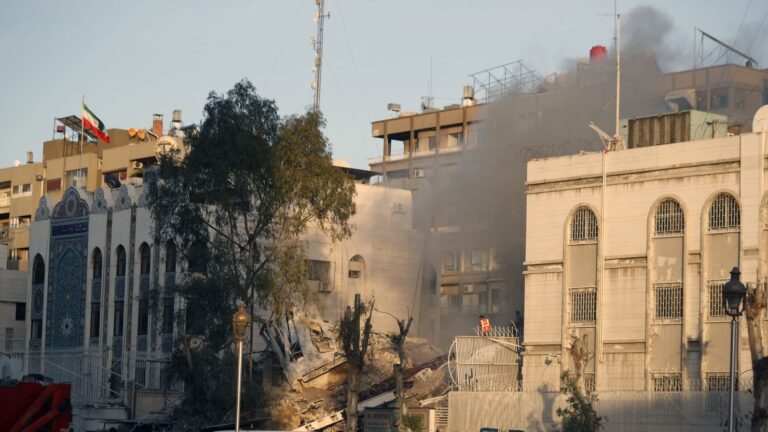
Additionally, the conversation between Wang and Lavrov comes at a time when various Middle Eastern nations are grappling with internal and external challenges that have led to widespread upheaval. The involvement of major powers like China and Russia could play a pivotal role in shaping the future of peace and stability in the region.
In summary, China’s commitment to work with Russia signifies a strategic partnership aimed at promoting peace in the Middle East. Both nations are poised to leverage their positions within international institutions to advocate for dialogue and negotiation, seeking to pave the way for a more stable geopolitical landscape in one of the world’s most sensitive areas. As tensions continue to simmer, the global community will be watching closely to see how these diplomatic efforts unfold.