China’s Used Phones Find New Homes from Karachi to Algiers
In the bustling electronics market of Huaqiangbei in Shenzhen, China, a vibrant trade in used mobile phones is thriving, capturing the attention of buyers from various regions, including Africa and South Asia. This unique marketplace, known for its array of electronic goods, has become a focal point for entrepreneurs seeking affordable devices to resell in their home countries.
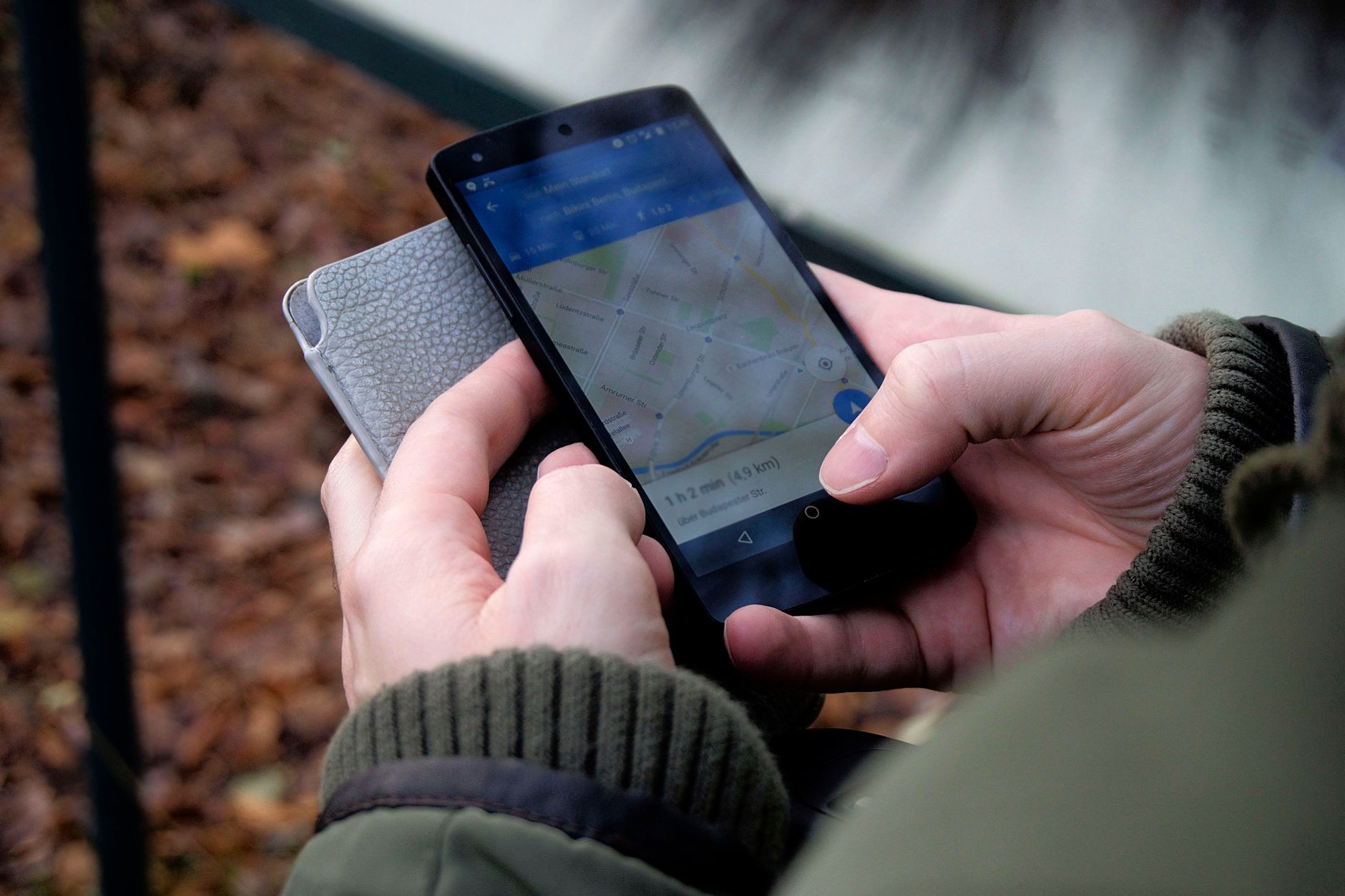
Among the many vendors and shoppers in this neon-lit district is Akhtar Muhammad, a 38-year-old businessman from Pakistan. He navigates through piles of smartphones, some with cracked screens but still functioning, illustrating the resilience and resourcefulness of the second-hand phone market. “From all over China, broken mobile phones come here,” Muhammad explains, highlighting the influx of devices that are often discarded or replaced by consumers. His plan is straightforward: purchase these used phones, repair them in Pakistan, and then sell them at a profit.
The appeal of these second-hand devices is evident. They provide an affordable option for consumers in emerging markets, where the demand for smartphones continues to grow. In regions like Karachi, Algiers, and Dhaka, access to new technology is often limited by financial constraints. The availability of used phones represents a critical opportunity for many, allowing them to connect with the digital world without breaking the bank.
The trade in used phones has significant implications for the environment as well. By extending the life of these devices, the market helps reduce electronic waste, which is a growing concern globally. Rather than discarding phones that may still have functional parts, the practice of refurbishing and reselling them contributes to more sustainable consumption patterns.
The Huaqiangbei market is not just a hub for buying and selling; it also serves as a meeting point for entrepreneurs, technicians, and resellers who share knowledge and skills. Many of these buyers have developed expertise in repairing and refurbishing devices, turning what would be waste into valuable products. This exchange of information fosters a community of innovation, as individuals learn from one another to improve their businesses.
As the demand for smartphones rises globally, particularly in developing nations, the significance of markets like Huaqiangbei cannot be understated. They not only fulfill a need for affordable technology but also support local economies and promote sustainable practices. As buyers like Akhtar Muhammad continue to find value in China’s used phones, the ripple effects of this trade will likely extend far beyond the marketplace, shaping the future of technology access across the globe.