Concerns Mount Over U.S.-Iran Deal as Allies Call for Caution
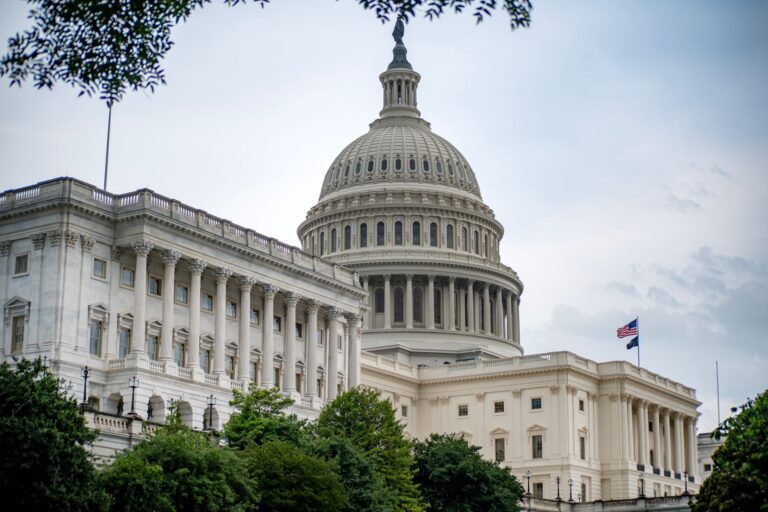
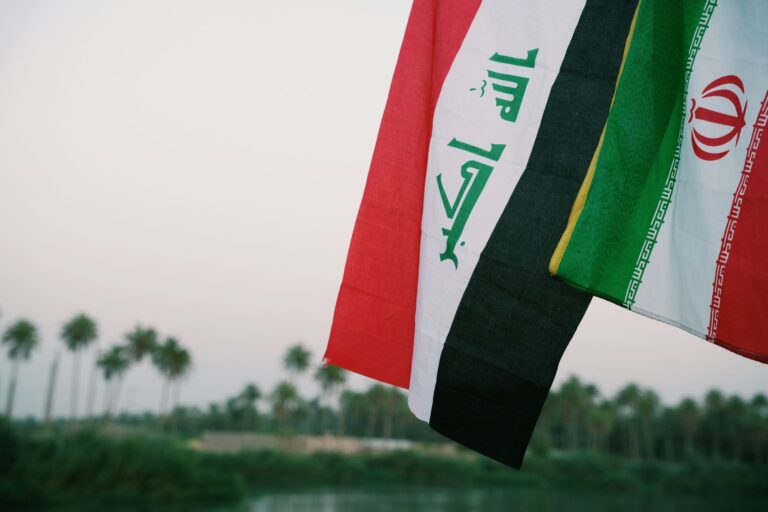
European allies are expressing significant apprehension regarding the current U.S. approach to negotiations with Iran. Diplomatic sources indicate that the inexperienced negotiating team from Washington is pushing for a rapid agreement that might ultimately exacerbate, rather than alleviate, ongoing tensions surrounding Iran’s nuclear program.
The urgency from the U.S. side appears to be motivated by a desire to secure a notable diplomatic achievement for President Donald Trump. However, this rush to finalize a framework deal could lead to a superficial agreement that fails to address the underlying complexities of the situation. Experts warn that if a deal is reached without thorough consideration and careful negotiation, it may entrench existing issues rather than resolve them.
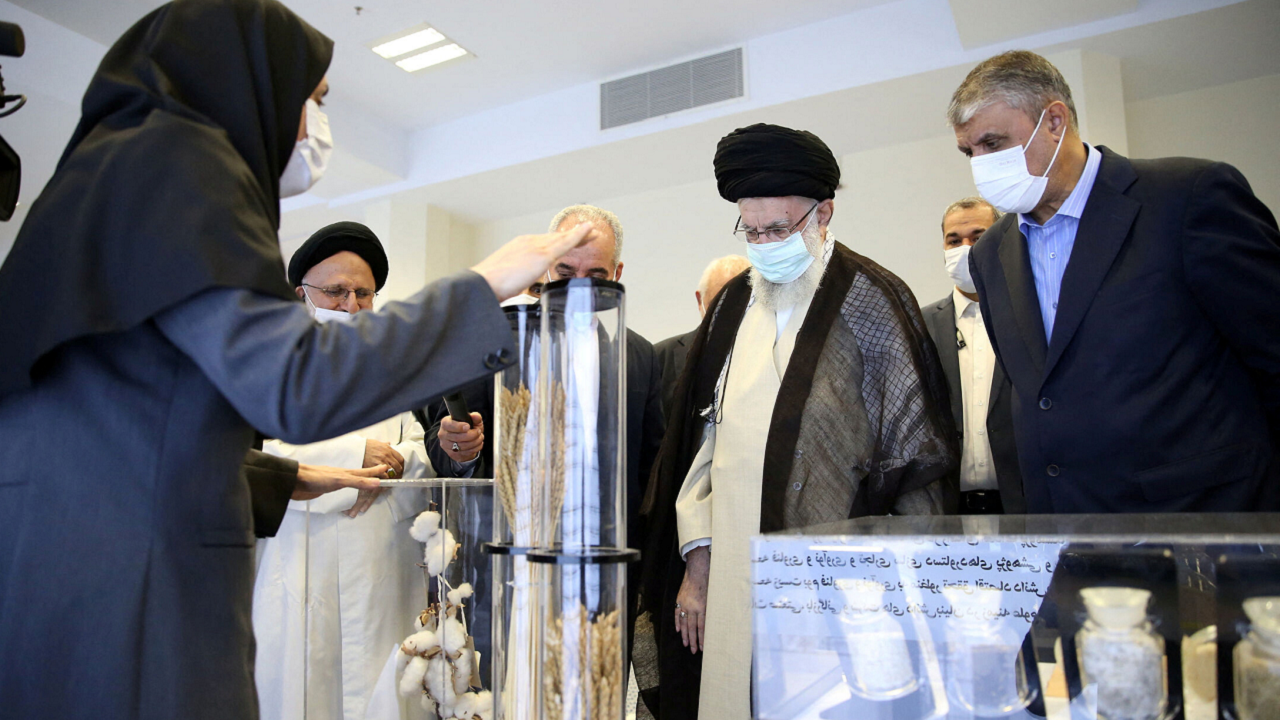
Diplomats with experience in engaging with Iran have raised concerns that a hastily crafted deal might lack the necessary depth and detail required to tackle the intricate challenges involved in Iran’s nuclear ambitions and the array of sanctions imposed on the country. The fear is that once an initial agreement is set in place, the subsequent negotiations—likely to be long and fraught with technical challenges—will be burdensome and difficult to navigate.
The potential consequences of a rushed agreement could be significant. Critics argue that it might lead to a scenario where Iran feels emboldened, believing that it has secured concessions without making substantial commitments in return. This could ultimately undermine the diplomatic process and lead to further escalation in the region.
European allies have historically played a role in mediating discussions between the U.S. and Iran, and there is a growing sentiment that a more cautious and methodical approach is necessary. Many European diplomats advocate for a comprehensive strategy that includes not only the nuclear program but also Iran’s broader regional behavior and its support for militant groups.
The situation remains fluid as the U.S. continues to engage in discussions aimed at finding common ground. However, the clock is ticking, and the pressure to reach an agreement is mounting. As the international community closely monitors the developments, the balance between achieving a diplomatic breakthrough and ensuring a sustainable and effective resolution remains precarious.
In conclusion, while the pursuit of a deal with Iran is crucial, the manner in which it is approached will determine its success or failure. European allies are urging the U.S. to reconsider its strategy and prioritize a thorough, well-structured negotiation process that addresses the complexities of the situation, rather than rushing toward a hasty agreement that may lead to more significant problems down the line.