ConocoPhillips CEO Calls for Enhanced U.S. Protection of Middle Eastern Investments
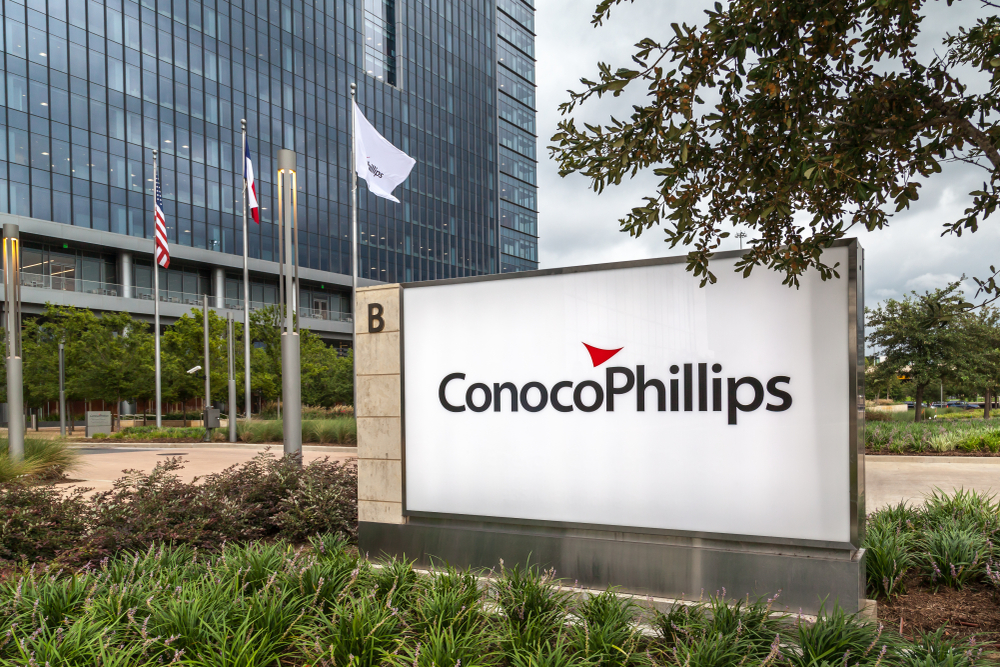
ConocoPhillips, a major player in the global oil industry, is advocating for increased U.S. government protection of its assets in the Middle East, particularly in Qatar. During a recent address at the CERAWeek energy conference held in Houston, CEO Ryan Lance emphasized the need for heightened security measures amid escalating tensions in the region.
Lance’s remarks come at a time when geopolitical instability has surged following recent U.S. and Israeli military actions against Iran, which have sparked fears of broader conflict. On February 28, strikes targeting Iranian positions prompted a strong response from Tehran, leading to concerns over the safety of energy infrastructure in the area.
The Strait of Hormuz, a critical waterway for global oil shipments, has become a focal point of concern as Iran’s military activities have effectively disrupted commercial shipping. This vital passageway is responsible for a significant portion of the world’s oil supply, and any threats to its security could have profound implications for the energy market and global economies.
ConocoPhillips has made substantial investments in Qatar, which is known for its vast natural gas reserves and is a pivotal player in the global energy sector. Given the current geopolitical landscape, Lance stressed the importance of U.S. support to safeguard these assets. He urged the Trump administration to take proactive measures to ensure the safety of American investments abroad, particularly in volatile regions like the Middle East.
The call for increased protection reflects a broader concern among U.S. companies operating in the region, which face heightened risks due to ongoing conflicts and retaliatory actions. The situation has raised alarms not only within the oil industry but also among policymakers who are monitoring the potential for escalation in hostilities.
As the conflict continues to evolve, industry leaders are closely watching the developments and assessing the implications for their operations. The energy sector’s reliance on stability in the Middle East underscores the strategic importance of U.S. foreign policy in the region.
In light of these challenges, Lance’s comments highlight the need for a coordinated approach to ensure the security of vital energy infrastructure and investments. As the situation unfolds, businesses and governments alike must navigate the complexities of international relations while striving to protect their interests in one of the world’s most critical energy markets.