Costa Rican President Advocates for U.S. Military Support to Enhance National Security
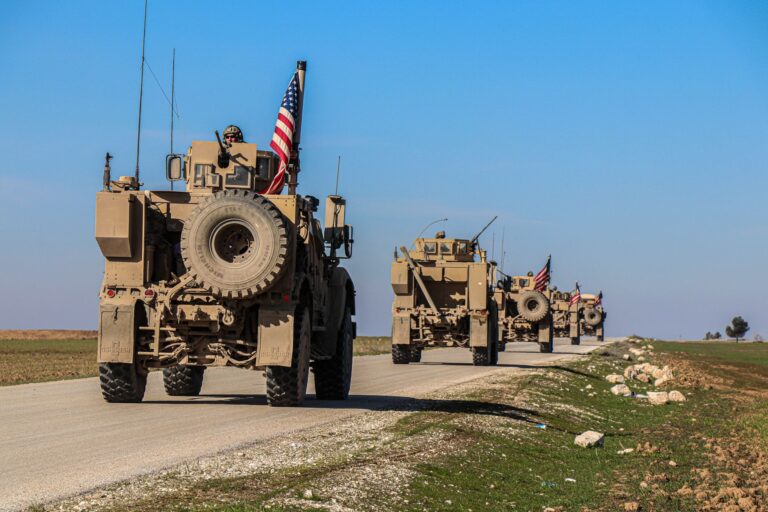
In a recent address, Costa Rican President Laura Fernandez expressed her belief that the presence of U.S. military forces in Costa Rica could significantly bolster the nation’s national security. This statement comes in a context where regional stability and security concerns are increasingly pressing for Central American nations. However, President Fernandez clarified that there are currently no formal plans in place for U.S. military operations in the country, and any such actions would necessitate approval from the Costa Rican legislature.
President Fernandez outlined her views during a press conference, where she highlighted the challenges posed by organized crime and drug trafficking in the region. She argued that U.S. ground operations could serve as a deterrent against these threats, enhancing the safety of Costa Rican citizens. The president acknowledged the historical partnership between Costa Rica and the United States, emphasizing the importance of collaborative efforts to address security issues that transcend borders.
While Fernandez’s comments reflect a proactive approach to national security, she was careful to note that discussions with Washington regarding military support are still in the preliminary stages. “We are exploring options, but nothing has been finalized,” she stated, underscoring the need for dialogue and planning before any decisions are made. Additionally, any military presence would require careful consideration and approval from the Costa Rican Assembly, reflecting the country’s commitment to democratic processes.
The notion of increased U.S. involvement in Costa Rican security has sparked a range of opinions among various stakeholders. Some community members view this as a necessary step to combat the rising tide of violence associated with drug trafficking and gang activity. They argue that enhanced security measures could protect vulnerable populations and restore safety to neighborhoods plagued by crime.
Conversely, there are concerns about the implications of foreign military presence in a country that has long prided itself on its commitment to neutrality and peace. Critics argue that inviting foreign troops could undermine Costa Rica’s sovereignty and provoke backlash from local communities who may be wary of foreign intervention.
As discussions continue, the Costa Rican government remains committed to balancing security needs with the values of autonomy and democratic governance. The president’s remarks reflect a critical moment for Costa Rica as it navigates complex regional dynamics and seeks effective solutions to ensure the safety and well-being of its citizens.
In the coming weeks, the Costa Rican Assembly will likely deliberate on the implications of U.S. military support, weighing the benefits of enhanced security against potential risks. The outcome of these discussions could shape the future of Costa Rican national security policy and its relationship with the United States.