Damaged Qatari LNG Tanker Awaits Salvage Operations Near Strait of Hormuz
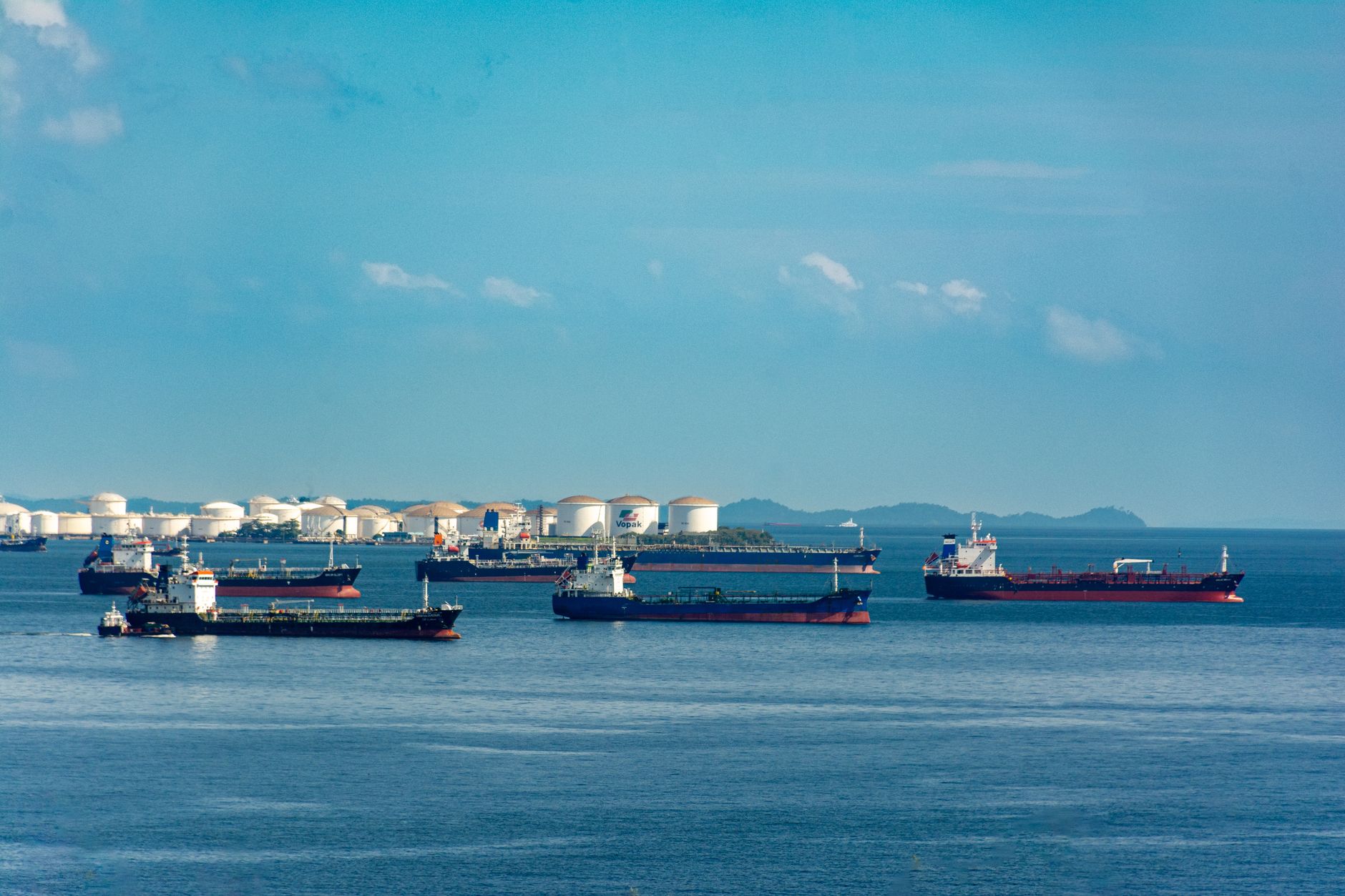
A Qatari liquefied natural gas (LNG) tanker, the Al Rekayyat, is currently stationary near the Strait of Hormuz as salvage operations are awaited following a recent incident in which the vessel sustained damage from a projectile strike. Ship tracking data and industry sources reported that this event occurred overnight on Tuesday, raising concerns about the ship’s safety and the potential for an explosion due to a fire that broke out in its engine room.
The Al Rekayyat was reportedly loaded with liquefied natural gas at the time of the incident. According to sources familiar with the situation, the projectile impacted the port side of the tanker, leading to the fire that has complicated efforts to address the damage. While specifics on the projectile and the circumstances surrounding its launch have not been confirmed, this incident highlights the ongoing tensions in the region, particularly near the strategically critical Strait of Hormuz, through which a significant portion of the world’s oil and gas trade passes.
Authorities are closely monitoring the situation as efforts to extinguish the fire continue. The risk of an explosion poses a serious threat not only to the tanker and its crew but also to the surrounding maritime environment. Shipping experts indicate that the presence of LNG adds an additional layer of complexity to the salvage operations, which are expected to commence only once the fire is fully under control.
The Strait of Hormuz has been a focal point for geopolitical tensions, particularly involving Iran and its neighboring countries. The region has seen various incidents involving maritime vessels, raising security concerns for shipping companies operating in these waters. The Al Rekayyat incident underscores the precarious nature of maritime operations in a region marked by such volatility.
Industry analysts are keeping a close eye on the situation, as disruptions in LNG supply could have broader implications for energy markets, especially in Europe, which is heavily reliant on Qatari gas exports. The severity of the damage sustained by the Al Rekayyat and the timeline for salvage operations will be crucial in assessing any potential impact on global LNG supplies.
As the situation unfolds, shipping companies and regulatory bodies are likely to increase vigilance in the Strait of Hormuz to ensure the safety of maritime operations. The Al Rekayyat’s incident serves as a stark reminder of the challenges faced by the shipping industry in high-risk areas and the importance of robust safety measures to protect both vessels and the environment.