European Drivers Struggle with Soaring Diesel Prices Amid Middle East Conflict
The ongoing conflict in the Middle East has led to a dramatic increase in diesel fuel prices across Europe, which have surged by over 30 percent since the outbreak of hostilities. This escalation not only underscores the continent’s reliance on imported energy but also highlights the continued importance of diesel vehicles in the European automotive market.
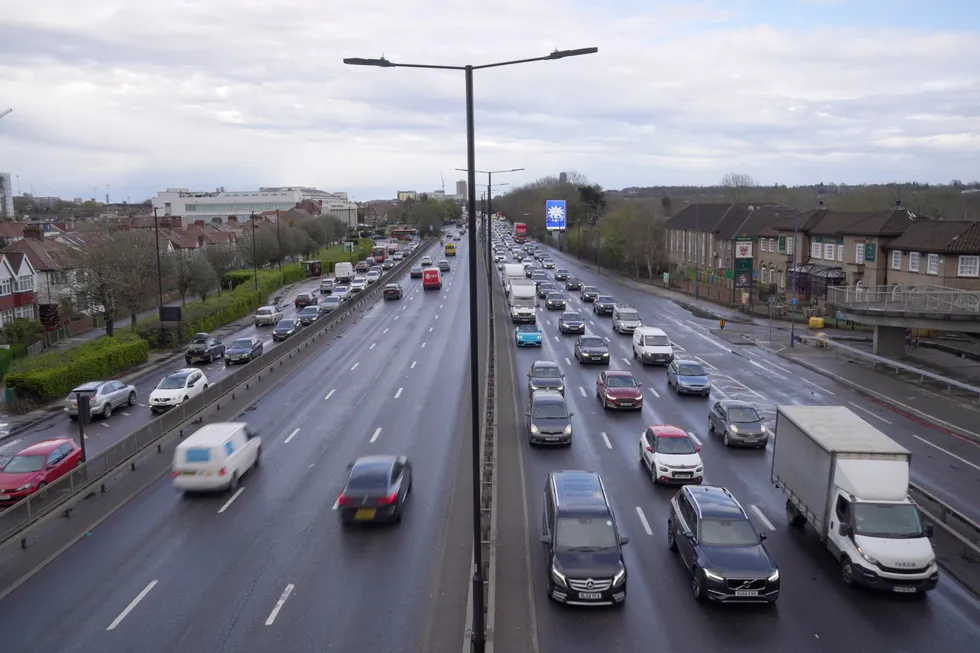
As the Easter holiday weekend approaches, many Europeans are preparing for travel, which is expected to drive up fuel demand significantly. This anticipated surge in consumption has already resulted in long lines at petrol stations, with many drivers feeling the financial pinch as they fill their tanks.
Prior to the current conflict, diesel prices were already facing upward pressure due to various market dynamics. However, the current geopolitical situation has exacerbated these challenges, leading industry experts to predict that prices will continue to rise. The situation is particularly concerning given that diesel has been more adversely affected than other fuel types. As a result, consumers may face further financial strain, particularly as the inflationary impact of rising fuel prices ripples through the economy.
The Strait of Hormuz, a critical maritime route for oil transport, remains a focal point of concern. The potential for trade disruptions in this area is a significant factor contributing to the rising costs of diesel and other fuels. As tensions persist, many analysts are warning that unless trade routes are restored to normalcy, fuel prices could remain elevated for an extended period, further complicating the economic landscape for European consumers.
In response to these rising costs, some European governments are evaluating measures to alleviate the burden on drivers and businesses. Discussions around subsidies or temporary price controls are underway, but the effectiveness and timing of such interventions remain uncertain.
The situation is particularly challenging for those who rely heavily on diesel vehicles for work or daily commuting. As diesel prices climb, many drivers are left to weigh the costs of fuel against their budgets, leading to potential shifts in driving habits or vehicle choices.
For the Arab-American community in Europe, the implications of these rising prices may be felt acutely, especially among those involved in trade and transport sectors. Community members are urged to stay informed about the evolving situation and consider the long-term ramifications that rising fuel costs may have on their livelihoods and local economies.
As Europe navigates these turbulent times, the impact of rising diesel prices serves as a reminder of the interconnectedness of global events and their repercussions on everyday life.