European Nations to Address U.S. on Russian Involvement in Iran
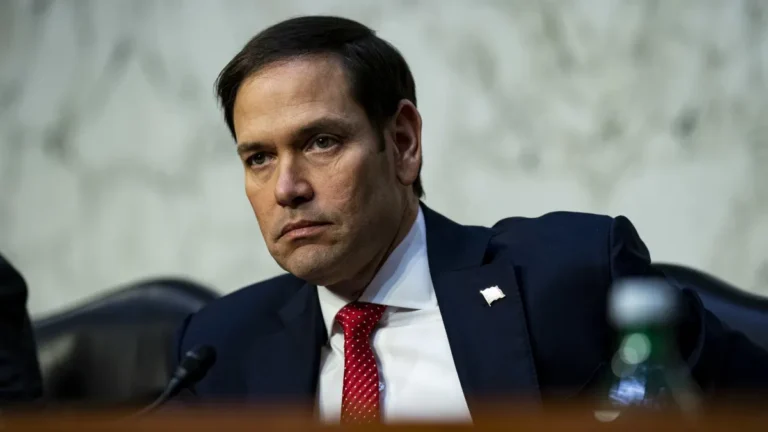
In a significant diplomatic development, European leaders have voiced serious concerns regarding Russia’s involvement in Iran’s military activities, particularly as they pertain to targeting U.S. forces in the Middle East. This issue is expected to be a focal point of discussion during the ongoing G7 foreign ministers’ meeting in Vaux-de-Cernay, France, where U.S. Secretary of State Marco Rubio is in attendance.
The European powers, alarmed by reports indicating that Russian support is emboldening Iran in its military endeavors, are preparing to confront the U.S. administration about this precarious situation. With tensions escalating in both Iran and Ukraine, the ministers have underscored the urgency of addressing the implications of Russian assistance in the region, particularly as it relates to the safety of American personnel.
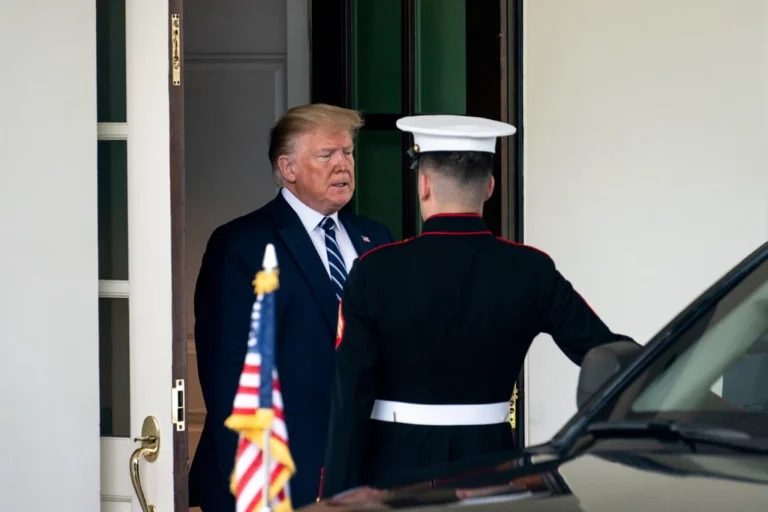
The backdrop of this meeting is notably complicated, with the geopolitical landscape marked by ongoing conflicts and an uncertain economic environment. The involvement of Russia in Iran’s military strategy raises alarms not only from a security standpoint but also in terms of the broader implications for international relations, especially with the United States navigating a tumultuous foreign policy under President Donald Trump’s administration.
European officials have reiterated their commitment to a cohesive strategy in dealing with both Iran and Russia. They argue that the collaboration between these two nations poses a direct threat not only to U.S. interests but also to regional stability. The G7 meeting serves as a platform for these leaders to coordinate their responses and to seek a unified front in addressing the challenges posed by such alliances.
As the discussions evolve, one of the critical objectives for the European ministers will be to secure a stronger alignment with the U.S. on countering Iran’s military expansion and its partnerships with countries like Russia. The ministers are expected to emphasize the importance of a multilateral approach to these security challenges, which require collective action and shared intelligence among allies.
Furthermore, the meeting is taking place against the backdrop of economic uncertainties that have been exacerbated by ongoing conflicts in Ukraine and the Middle East. European leaders are acutely aware that the ramifications of unchecked military support from Russia to Iran could lead to broader instability, which in turn could impact global markets and economic recovery efforts.
As the G7 foreign ministers wrap up their discussions, the outcome is anticipated to shape the future course of Western policy towards Iran and its partnerships. The European powers are hoping to leverage this meeting to foster a more robust dialogue with the U.S., aiming for cohesive strategies that enhance regional security and uphold the interests of their nations.