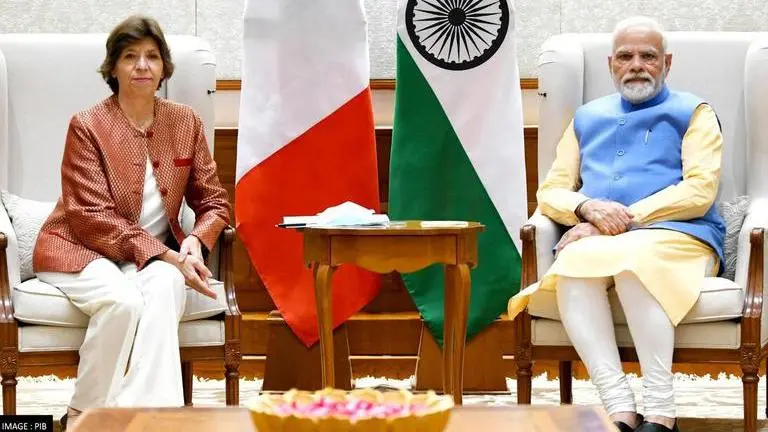
French Foreign Minister Calls for Major Concessions from Iran to Resolve Ongoing Crisis
In a significant diplomatic statement, French Foreign Minister Jean-Noel Barrot emphasized that Iran needs to be prepared to make substantial concessions in order to bring an end to the escalating crisis surrounding its actions in the Strait of Hormuz. Speaking at a session of the United Nations Security Council, Barrot underscored the urgency for a radical change in Iran’s approach to the situation.
The Strait of Hormuz, a vital waterway for global oil transportation, has been a focal point of tensions, particularly as various nations express concerns over Iran’s activities in the region. Barrot articulated that achieving a sustainable resolution is contingent upon Iran’s willingness to alter its current policies significantly. He stated, “There can be no lasting solution to this crisis unless the Iranian regime agrees to major concessions and a radical shift in its stance.”
The comments from the French Foreign Minister come amidst growing international pressure on Tehran, as countries around the world increasingly call for diplomatic engagement and a de-escalation of hostilities. The UN Security Council meeting served as a platform for member states to express their apprehensions regarding Iran’s influence in the region and its potential impact on global security.
Barrot’s remarks reflect a broader consensus among Western nations that a firm stance is necessary to address Iran’s activities, which have been perceived as provocative. While Iran has maintained that its actions are defensive in nature and rooted in national sovereignty, many in the international community view them as destabilizing.
The call for concessions raises questions about the potential for future negotiations. Observers note that any significant shift from Iran would require a delicate balancing act, as the regime must consider domestic pressures alongside international expectations. The possibility of renewed talks seems contingent on both sides finding common ground that respects Iran’s interests while addressing the concerns of other nations.
As discussions continue at the UN, the situation remains fluid. Analysts suggest that the coming weeks could be pivotal in determining the trajectory of Iran’s foreign policy and its interactions with the global community. The focus on the Strait of Hormuz highlights the critical nature of this maritime corridor, as it remains a key artery for oil shipments, making stability in the region paramount for many countries.
In summary, the French Foreign Minister’s assertion that Iran needs to make major concessions reflects the complexities of international diplomacy in addressing regional crises. The outcome of these discussions could have significant implications not only for Iran but also for global energy markets and security dynamics in the Middle East.