From Gaza to Lebanon, Doctor Races to Save War-Wounded Children
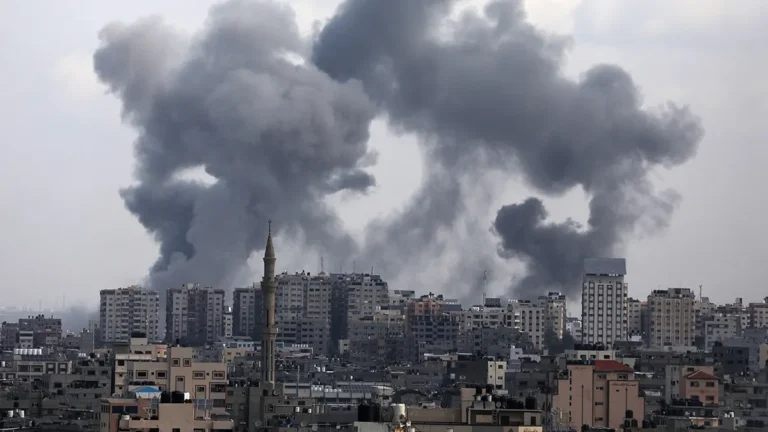
For nearly three weeks, British-Palestinian pediatrician Dr. Ghassan Abu-Sittah has been tirelessly working at the American University of Beirut Medical Center, one of Lebanon’s leading hospitals, providing critical care to children injured in the ongoing conflict. As Israeli bombardments continue to devastate parts of Lebanon, Dr. Abu-Sittah and his team are facing an overwhelming influx of young patients with severe injuries, many arriving in critical condition from across the country.
The pediatric intensive care unit (PICU) where Dr. Abu-Sittah works has become a vital refuge for families desperately seeking medical help amid the chaos. The doctor describes his efforts as a race “against the clock,” as each hour brings new challenges in treating trauma cases that include shrapnel wounds, burns, and blast injuries. Despite exhaustion and limited resources, the medical staff remain committed to saving as many lives as possible, often working around the clock to stabilize children whose survival hangs in the balance.
Dr. Abu-Sittah’s experience is shaped by his background as a British-Palestinian physician who has previously treated casualties in Gaza and other conflict zones. This experience has prepared him for the complexities and urgency of war-related injuries, but the scale of the current Lebanese crisis is testing healthcare providers in unprecedented ways. Hospitals across the country are struggling to keep up with the surge in patients, and the American University of Beirut Medical Center is no exception, grappling with shortages of medical supplies and staff.
The impact of the conflict on children is particularly harrowing. Many of the young patients arrive with traumatic injuries that not only require immediate surgical intervention but also long-term rehabilitation. For parents, the psychological toll is immense, as they watch their children fight for survival in an environment where medical facilities are stretched thin and the threat of ongoing violence looms large.
This medical crisis highlights the broader humanitarian challenges faced by Lebanon amid the conflict. The dedication of doctors like Dr. Abu-Sittah underscores the critical role healthcare workers play in war zones, providing not only medical treatment but also hope to communities devastated by violence. Their work reminds us of the urgent need for peace and stability to protect the most vulnerable, especially children caught in the crossfire.
As the fighting continues, the efforts at the American University of Beirut Medical Center serve as a poignant example of resilience and compassion. Dr. Abu-Sittah’s race against time to save war-wounded children reflects the broader struggle to preserve life and dignity in one of the region’s most volatile conflicts. For Arab-American readers and communities worldwide, it is a reminder of the human cost of war and the ongoing need to support humanitarian aid in crisis-affected areas.