G7 Commits to Protecting Global Energy Supplies and Ensuring Security in the Strait of Hormuz
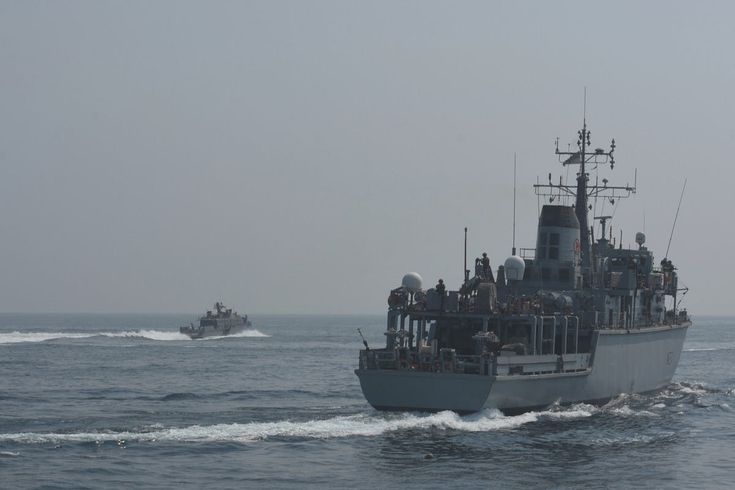
The foreign ministers of the Group of Seven (G7) nations have declared their readiness to take decisive action to maintain the stability of global energy markets. During a recent meeting, officials emphasized the critical importance of securing maritime routes, particularly the strategic Strait of Hormuz, which serves as a vital passage for a significant portion of the world’s oil shipments.
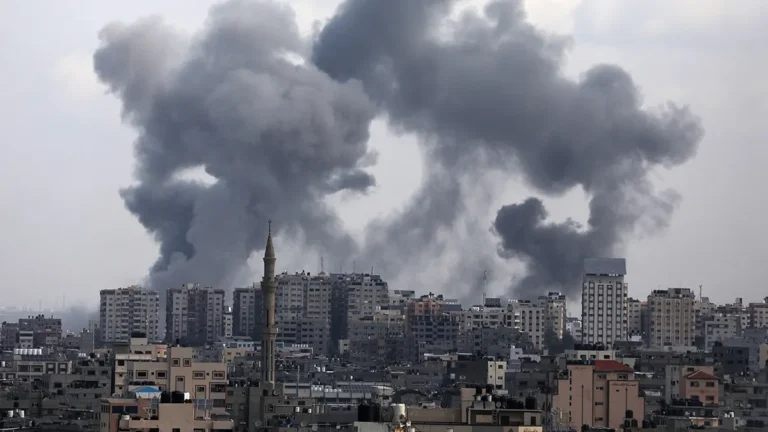
Representatives from Canada, France, Germany, Italy, Japan, the United Kingdom, and the United States, alongside the European Union’s top diplomat, issued a joint statement underscoring their commitment to safeguarding energy supplies from disruptions. The ministers expressed strong condemnation of recent attacks attributed to Iran and its affiliated groups, describing these actions as unjustifiable threats to regional and international security.
The Strait of Hormuz, located between the Persian Gulf and the Gulf of Oman, is a narrow but essential waterway through which roughly one-fifth of global petroleum passes. Any instability or conflict in this corridor could have far-reaching consequences for global energy prices and economic stability. The G7’s backing of enhanced security measures in this area signals a coordinated international effort to deter aggressive activities and reassure energy markets.
In addition to affirming support for maritime security, the G7 ministers pledged to assist their partners in the Middle East facing escalating tensions. This commitment includes diplomatic efforts and potential measures to counter any disruptions caused by hostile actions in the region. The statement reflects growing concern among major energy-consuming countries about the risks posed by geopolitical conflicts to their energy imports and the broader global economy.
For Arab-American communities and stakeholders in Ohio and beyond, the G7’s stance highlights the interconnected nature of global energy security and regional stability in the Middle East. Given Ohio’s economic ties to energy industries and the significant Arab-American population with close cultural and familial links to the region, developments in the Strait of Hormuz remain highly relevant. Continued vigilance and international cooperation are crucial to preventing escalation and ensuring the uninterrupted flow of energy resources vital to both local and global economies.
In summary, the G7’s unified position to protect global energy supplies and uphold security in the Strait of Hormuz underscores the importance of international collaboration amid ongoing regional challenges. Their readiness to act aims to preserve stability in a key energy corridor, benefiting markets worldwide and supporting allied partners facing security threats.