G7 Finance Chiefs Stress Urgency in Addressing Economic Impact of Middle East Conflict
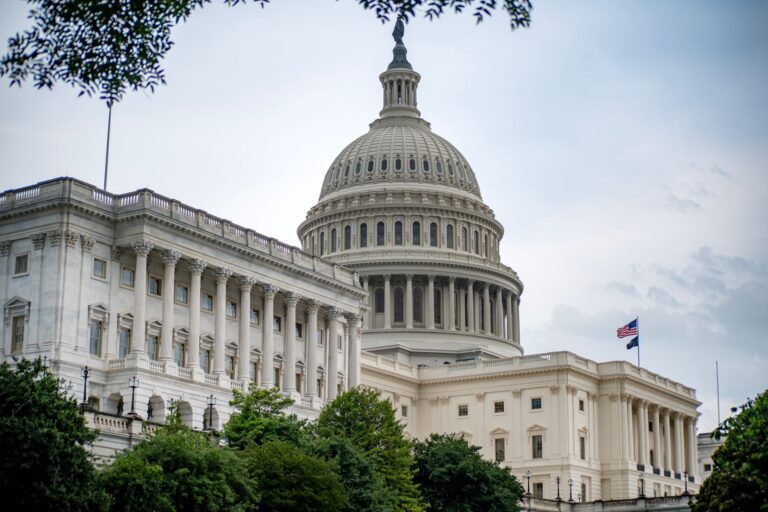
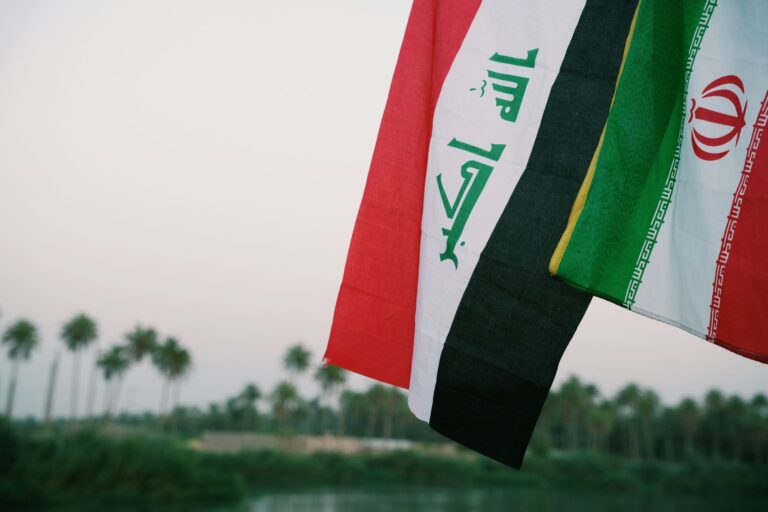
In a significant meeting held in Washington, finance ministers and central bank governors from the Group of Seven (G7) nations expressed a pressing need to mitigate the financial ramifications of the ongoing conflict in the Middle East. This discussion took place during the spring meetings of the International Monetary Fund (IMF) and World Bank Group, where global economic stability was a central focus.
The G7 leaders emphasized the urgent necessity to limit the war’s impact on the global economy, indicating that prolonged conflict could exacerbate existing economic challenges and create new ones. They highlighted the interconnectedness of global markets and how instability in one region can have far-reaching effects worldwide. The finance chiefs reaffirmed their commitment to pursuing avenues that would lead to a sustainable peace in the region, recognizing that economic stability is essential for achieving long-term solutions.
In their discussions, the G7 officials addressed three pivotal topics, with the Middle East conflict being a primary concern alongside global inflation and the ongoing recovery from the COVID-19 pandemic. With rising prices and supply chain disruptions affecting economies globally, the G7 ministers underscored the importance of collaborative efforts to navigate these challenges.
The finance chiefs acknowledged that the ramifications of the conflict are not only felt in the Middle East but also ripple through various sectors worldwide. They pointed to the potential for increased energy prices and food insecurity, both of which could strain economies already grappling with inflationary pressures. The G7 leaders stressed the importance of international cooperation to manage these risks effectively.
In addition to the immediate economic concerns, the G7 ministers discussed the broader implications of the conflict on global security and stability. They noted that lasting peace in the Middle East would require not only diplomatic efforts but also economic initiatives that address the underlying issues driving conflict. The finance chiefs called for increased investment in the region to foster development and stability, which could ultimately lead to improved economic prospects for all involved.
As the discussions continued, the G7 leaders reiterated their commitment to working collaboratively with other nations and international organizations to support peace efforts and mitigate economic fallout. The meeting served as a critical reminder of the interconnected nature of global economies and the need for proactive measures in the face of ongoing geopolitical tensions.
In conclusion, the G7 finance ministers’ discussions reflect a growing awareness of the urgent challenges posed by the Middle East conflict and highlight the necessity for coordinated international responses to safeguard global economic stability. The call for a lasting peace underscores the belief that only through collaboration and investment can a more stable and prosperous future be achieved for the region and beyond.