Greek Prime Minister Opposes Proposed Tolls for Ships in the Strait of Hormuz
Greek Prime Minister Kyriakos Mitsotakis has voiced strong opposition to Iran’s suggestion that ships should pay tolls to navigate the Strait of Hormuz, calling such a move unacceptable and a potential threat to global freedom of navigation. The Strait of Hormuz is a critical waterway through which approximately 20% of the world’s oil and liquefied natural gas is transported, making any disruption a significant concern for international trade.
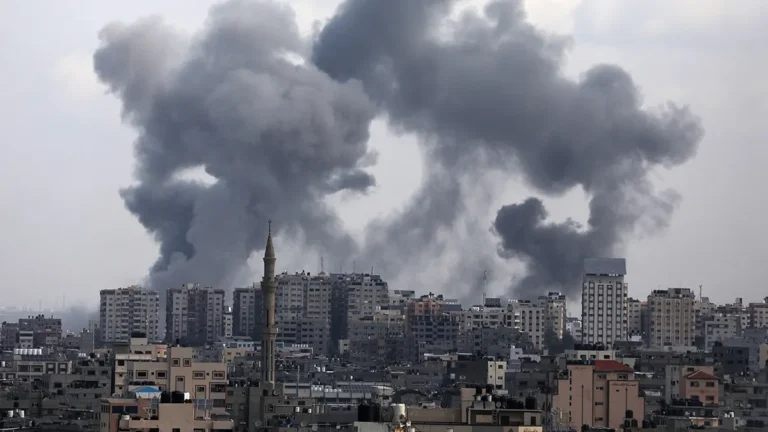
During a recent statement, Mitsotakis emphasized that imposing fees for passage in this vital maritime corridor would set a concerning precedent, potentially undermining the principles of open navigation that are essential for global commerce. He expressed that such actions could escalate tensions in a region already fraught with conflict, particularly in light of ongoing hostilities that have threatened the security of Gulf ports.
The Prime Minister’s remarks come amid heightened geopolitical tensions in the Middle East, where military and economic conflicts have raised alarms about the stability of oil supply routes. The Strait of Hormuz has been at the center of these tensions, as it serves as a crucial artery for energy exports not only from the Gulf states but also for global markets relying on these resources.
Mitsotakis highlighted Greece’s unique position in the maritime industry, noting that the country oversees one of the world’s largest merchant fleets, renowned for its cargo-carrying capacity. This places Greece in a pivotal role in advocating for unimpeded shipping routes and the security of maritime operations in the region.
The Prime Minister’s comments reflect broader concerns among international leaders regarding the implications of Iran’s proposal. Shipping industry representatives and analysts have warned that tolls could lead to increased shipping costs, which would ultimately be passed on to consumers and disrupt global supply chains further.
The potential introduction of tolls in the Strait of Hormuz could also provoke further military responses from nations that rely on this route for their energy needs. As tensions continue to rise in the region, the international community is closely monitoring developments to ensure the protection of vital shipping lanes.
In conclusion, Greece’s leadership under Mitsotakis remains firm in advocating for the principles of free navigation, emphasizing the importance of maintaining open maritime routes for global trade and energy security amidst ongoing regional conflicts. The dialogue surrounding this issue will likely continue as stakeholders seek to navigate the complexities of international relations and trade in the Middle East.