Gulf Nations on Alert Following U.S. Strikes on Iranian Island
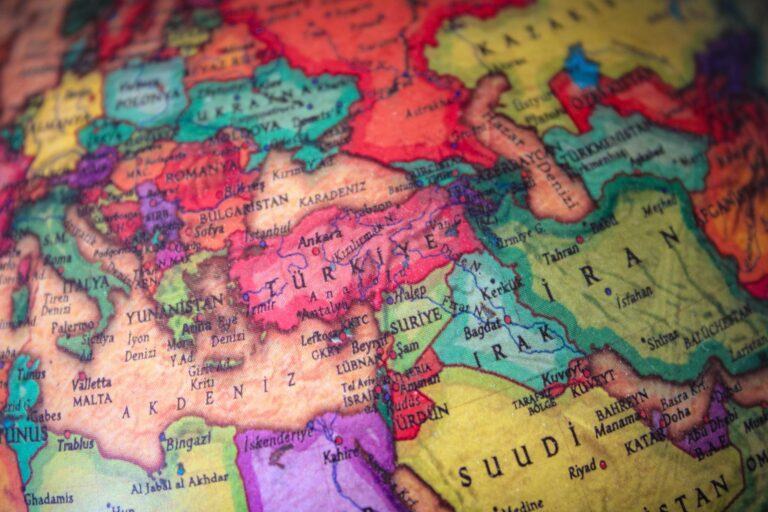
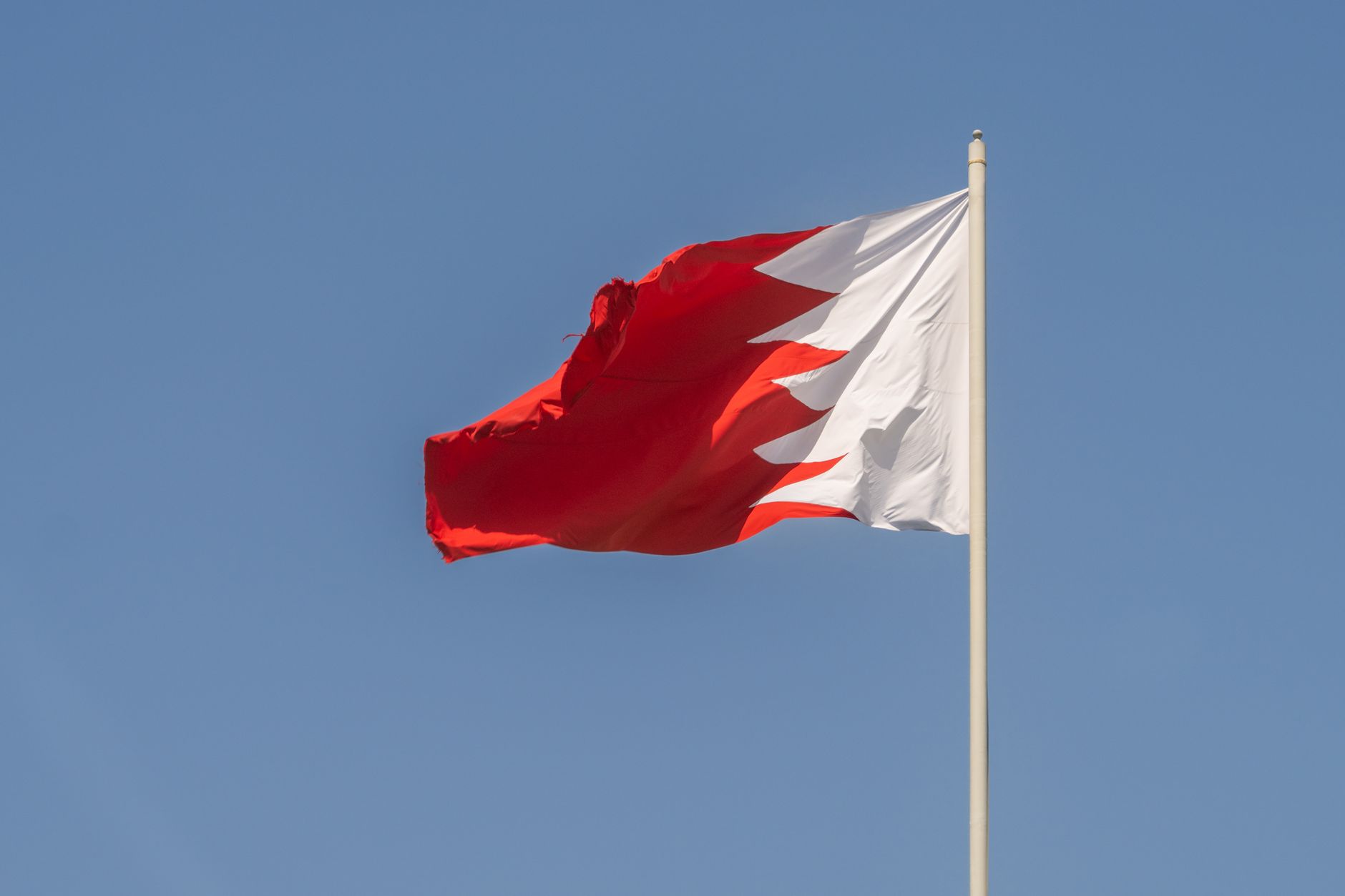
Tensions in the Middle East have escalated after the United States conducted airstrikes on an Iranian island, prompting heightened security measures among Gulf nations. In a statement issued on Wednesday, Kuwait announced that it was actively countering “hostile drone attacks,” signaling a growing concern over potential retaliatory actions from Iran.
The recent airstrikes are part of a broader conflict that has intensified over the past six months, following U.S. and Israeli military operations targeting Tehran. These strikes have significantly altered the regional security landscape, leading to increased vigilance among U.S. allies in the Gulf. Countries such as Saudi Arabia and the United Arab Emirates are reportedly enhancing their military readiness in light of the heightened risk of Iranian aggression.
The Iranian government has condemned the U.S. strikes, labeling them as acts of aggression. Iranian officials have vowed to respond decisively to any perceived threats, which has raised alarms among neighboring nations. Analysts suggest that Iran may resort to asymmetric warfare tactics, including cyberattacks and drone strikes, to assert its influence and retaliate against U.S. interests in the region.
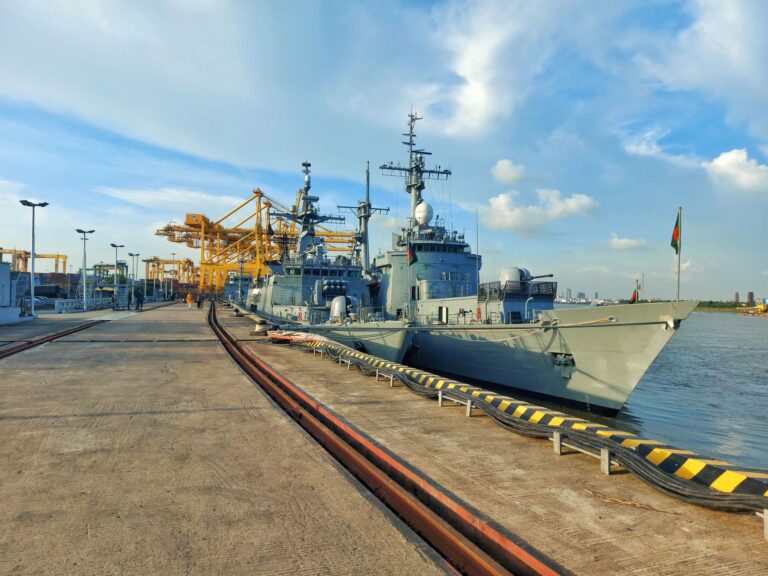
In response to the escalating situation, U.S. military forces have bolstered their presence in the Gulf. The U.S. Department of Defense has reiterated its commitment to ensuring the safety of its allies and safeguarding maritime routes critical for global oil supplies. This military buildup aims to deter any attempts by Iran to disrupt shipping lanes or target U.S. assets.
The situation remains fluid, with diplomatic efforts underway to de-escalate tensions. Regional leaders are calling for dialogue to address the underlying issues fueling the conflict, emphasizing the need for a peaceful resolution. However, the prospect of negotiations appears uncertain, as both the U.S. and Iran remain entrenched in their positions.
Kuwait’s announcement of countermeasures against drone threats underscores the pervasive anxiety in the region. Local officials are urging citizens to remain vigilant and report any suspicious activities, reflecting a community on edge due to the potential for escalating hostilities.
As the conflict continues to develop, the international community is closely monitoring the situation. The Gulf states, particularly those with significant economic interests tied to oil exports, are wary of the potential repercussions of a wider conflict. The stakes are high, and the need for a comprehensive diplomatic approach has never been more critical.
In summary, the U.S. strikes on the Iranian island have set off a chain reaction of military readiness and public concern among Gulf nations. With the specter of retaliation looming, regional leaders face the challenge of navigating a precarious security environment while seeking to maintain stability and prevent further escalation.