Hezbollah Criticizes Extended Ceasefire Amid Ongoing Israeli Strikes
Hezbollah, the Lebanese militant group, has dismissed the recently extended ceasefire between Lebanon and Israel as ineffective, arguing that it holds no real significance in light of continued Israeli military actions in southern Lebanon. This statement comes just one day after U.S. President Donald Trump announced a three-week extension of the ceasefire agreement, which was initially set to expire on Sunday.
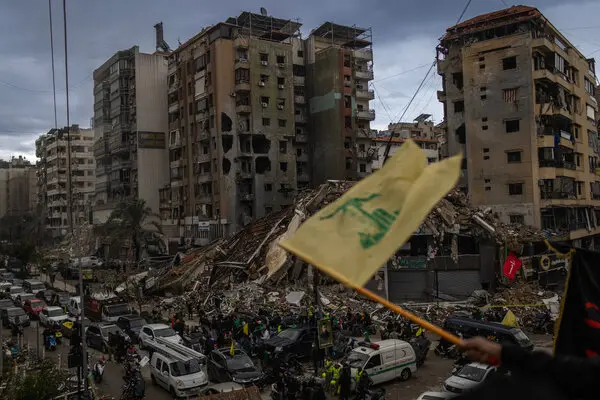
The ceasefire, which was mediated by the United States, was designed to bring a temporary halt to hostilities between the two nations. However, Hezbollah officials have expressed skepticism regarding its efficacy, citing ongoing Israeli strikes that they claim violate the terms of the agreement. In a statement, Hezbollah emphasized their right to retaliate against what they describe as aggressive actions from Israel.
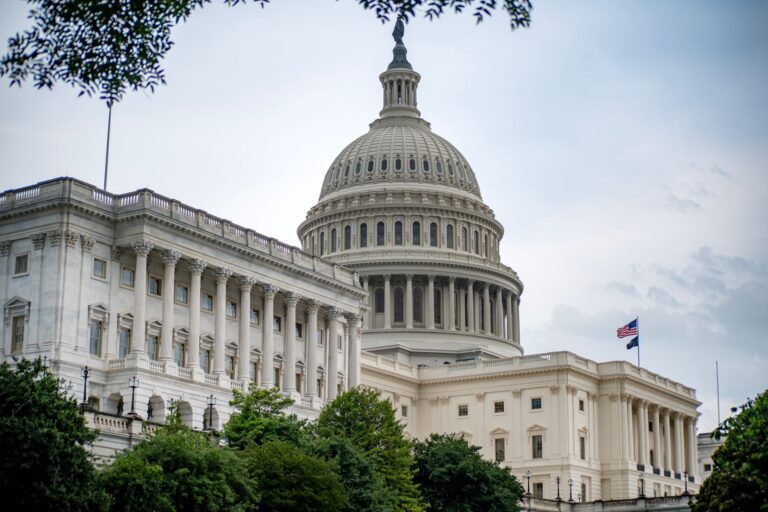
President Trump hosted both Israeli and Lebanese ambassadors at the White House prior to announcing the extension of the ceasefire, indicating a diplomatic effort to stabilize the situation in the region. Despite these efforts, Hezbollah’s response underscores the complexity of the conflict and the challenges facing any peace initiatives. The group has positioned itself as a defender of Lebanese sovereignty and has vowed to respond to any provocation from Israel.
The situation in southern Lebanon remains tense, with reports of ongoing skirmishes and airstrikes that have raised concerns among local residents. The ceasefire was initially welcomed by many as a step toward reducing violence; however, the recent developments have cast doubt on its lasting impact. Local observers note that the continued hostilities may exacerbate the humanitarian situation in the region, which is already strained due to previous conflicts.
Hezbollah’s firm stance on the ceasefire reflects broader regional tensions and the complicated dynamics between Lebanon and Israel. The group has a significant following among Lebanese Shiites and is seen by some as a resistance movement against Israeli aggression, while others criticize its military posture as a factor contributing to instability in Lebanon.
As diplomatic efforts continue, the future of the ceasefire remains uncertain. Both local and international stakeholders are closely monitoring the situation, hoping for a resolution that could lead to lasting peace in the region. However, with tensions high and mutual distrust prevalent, the path to peace appears fraught with challenges.