Hezbollah Supporters Remain Resolute Amid Losses in Ongoing Conflict
In a poignant display of grief and pride, Sharif Badreddine, a local official in Lebanon, recently buried his youngest son, who had died fighting for Hezbollah in its ongoing conflict with Israel. Despite the heart-wrenching circumstances, Badreddine expressed a sense of honor for his son’s decision to join the fight, revealing the deep-seated commitment many families have to the group and its cause.
The emotional toll of the conflict is palpable in Badreddine’s community, where many families are grappling with similar losses. As the violence escalates, Hezbollah has seen a surge of support among its backers, fueled by longstanding animosities toward Israel and a strong religious conviction that underscores their commitment to the group. Badreddine, who had initially pleaded with his son not to join the fight, reflected on the complexities of parental love and pride, stating, “Before he left, I told him, ‘Don’t go, the situation is bad.'”
Supporters of Hezbollah argue that their sacrifices are justified in light of the group’s historical resistance against what they perceive as Israeli aggression. The current conflict has intensified these sentiments, reinforcing the ideological divide that has long characterized Lebanese society. Many individuals in the region view Hezbollah not just as a militant organization, but as a defender of Lebanon’s sovereignty and a protector of the Shia community.
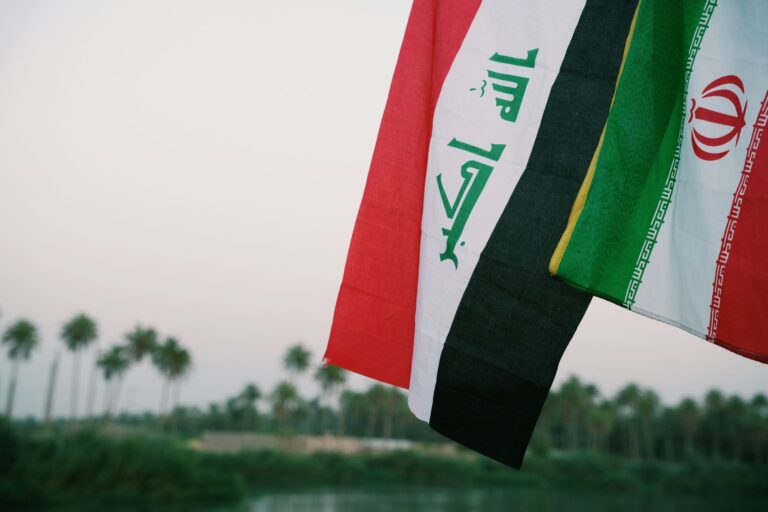
As the Lebanese government contemplates disarming Hezbollah, supporters remain steadfast in their belief that the group plays a critical role in the nation’s defense. They attribute their resilience to a combination of historical grievances, religious beliefs, and significant backing from Iran, which has bolstered Hezbollah’s military capabilities over the years.
The loss of life continues to mount, with thousands reported dead in Lebanon since the latest round of hostilities began. The situation has drawn international attention, with calls for de-escalation and negotiations highlighting the urgent need for peace in the region. However, for many families like Badreddine’s, the sacrifice of their loved ones is viewed through the lens of a broader struggle for identity and autonomy in a region marked by conflict.
As the conflict persists, the stories of those affected by the violence serve as a reminder of the human cost of war. Families are left to navigate the complex emotions of mourning and pride, often finding solace in their belief in the cause for which their loved ones fought. The enduring support for Hezbollah among its constituents indicates that, despite the heavy toll, many remain committed to the group’s mission and the narratives that underpin their struggle against Israel.