Hormuz Strait Closure to Persist Until U.S. Fulfills Interim Agreement Conditions, Iran Asserts
DUBAI – The Strait of Hormuz, a vital waterway for global oil transportation, will remain closed until the United States addresses the terms of an interim agreement established with Iran earlier this summer, according to Iranian negotiator Mohammad Baqer Qalibaf. His statements, reported by state media, reflect Iran’s firm stance on the conditions that must be met for the reopening of this strategic passage.
The interim deal, signed in June, outlines several key demands from Iran, which Qalibaf emphasized during a recent parliamentary session. Central to these requirements is the lifting of the U.S. blockade on Iranian ports, a significant barrier to Iran’s economy. Additionally, Iran is insisting on the removal of oil sanctions that have heavily restricted its ability to export crude oil, a primary revenue source for the nation.
In conjunction with these economic measures, Qalibaf highlighted the necessity for the United States to release Iranian assets that have been frozen due to sanctions. These funds, which remain inaccessible to Tehran, represent a substantial financial strain and a critical concern for the Iranian government.
Furthermore, Qalibaf underscored the need for the U.S. to cease its military threats and operations directed at Iran. This demand reflects Iran’s broader concerns about regional security and its desire to ensure that external military actions do not threaten its sovereignty or stability.
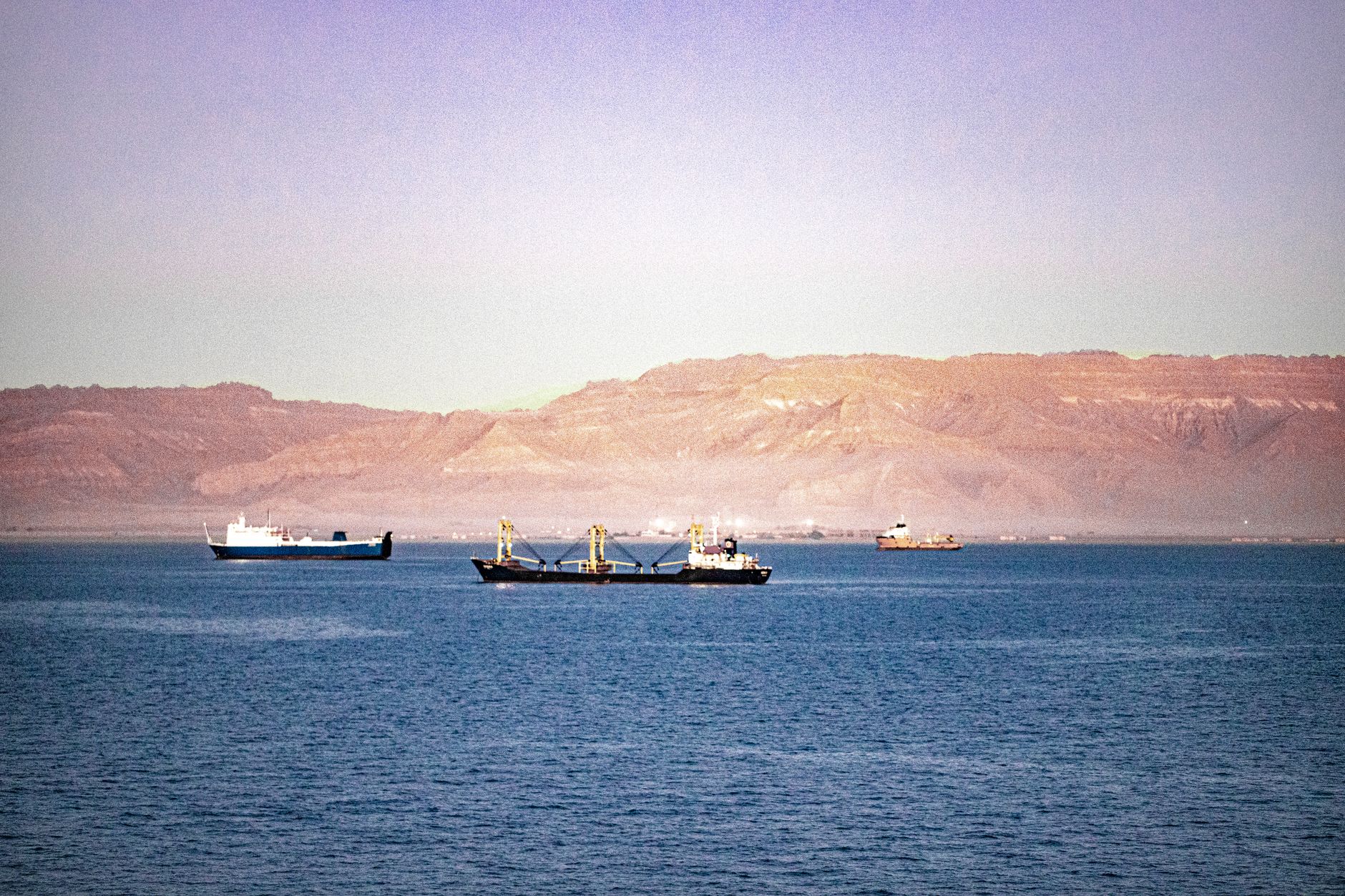
The Strait of Hormuz is strategically significant, as it serves as a conduit for a considerable portion of the world’s oil supply. The closure of this passage could have significant implications for global oil markets, potentially driving prices higher and affecting economies worldwide. As tensions continue to simmer between the U.S. and Iran, the situation in the Strait remains a focal point for international observers and stakeholders in the energy sector.
The Iranian government’s firm position on these conditions suggests that negotiations may experience further delays, as both sides navigate the complex landscape of diplomacy and economic pressure. The outcome of these discussions will be crucial not only for Iran but also for global energy security and regional stability in the Middle East.
As the situation develops, the international community will be closely monitoring the dynamics between Iran and the United States, particularly concerning the potential reopening of the Strait of Hormuz and the broader implications for trade and security in the region.