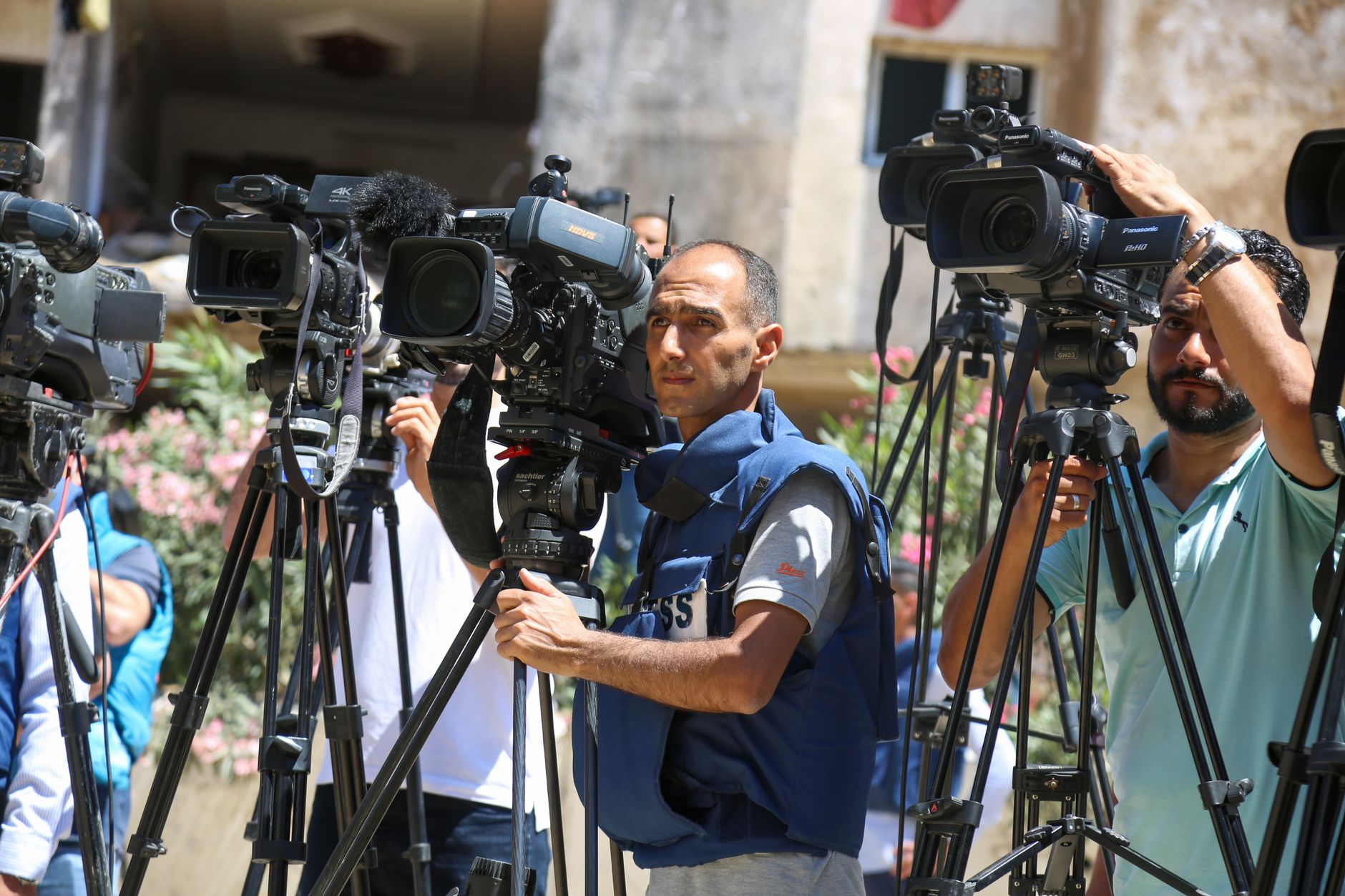
Inside Gaza: Reporting a War When It Hits Home
As the conflict in Gaza escalates following the recent Hamas attacks, the role of journalists in the region has become increasingly perilous. Since the onset of the violence in October 2023, approximately 200 journalists have lost their lives while covering the situation, underscoring the immense risks that media professionals face in a war zone.
In the face of such danger, many reporters find themselves torn between their duty to inform the public and the reality of their own safety. The challenges are compounded by the emotional toll of witnessing the impact of war on their own communities and families. Journalists in Gaza often grapple with the duality of being both observers and participants in the unfolding crisis, as the conflict directly affects their lives and those of their loved ones.
Local reporters, who are often more familiar with the terrain and the people, are crucial in conveying the complexities of the situation. However, their proximity to the events can also lead to heightened anxiety and distress. They are not just reporting on a distant conflict; they are chronicling the suffering of their neighbors, friends, and family members.
Media outlets around the world are striving to provide comprehensive coverage of the events in Gaza, but the barriers to reporting are significant. Restrictions on movement, communication breakdowns, and the constant threat of violence create an environment where gathering accurate information is a daunting task. Journalists must navigate these obstacles while also ensuring their reports are fair and balanced, a challenging feat amidst the chaos of war.
Moreover, the emotional weight of their work can lead to burnout and trauma. Journalists frequently face moral dilemmas, such as whether to prioritize their own safety or stay on the ground to capture important stories. The psychological impact of covering such traumatic events cannot be overstated, with many reporters experiencing stress, anxiety, and grief as they witness the devastation around them.
In an effort to support journalists working in such hostile environments, some organizations are implementing training programs focused on safety and mental health. These initiatives aim to equip reporters with the tools they need to protect themselves while still fulfilling their journalistic responsibilities.
As the situation in Gaza continues to evolve, the contributions of journalists remain vital in bringing attention to the humanitarian crisis. Their stories not only inform the world about the realities on the ground but also serve as a testament to the resilience of those living through the turmoil. In doing so, they keep the voices of the affected communities alive, ensuring that their experiences are not forgotten amid the chaos of war.