Iran Asserts Strait of Hormuz is Open to All Except ‘Enemy-Linked’ Vessels Amid U.S. Tensions
In a recent statement, Iran’s representative to the United Nations maritime agency reaffirmed that the Strait of Hormuz remains accessible to all shipping vessels, with the exception of those associated with what Iran terms its “enemies.” This declaration comes in response to escalating tensions following remarks from U.S. President Donald Trump, who threatened to target Iranian power plants if shipping lanes were not “fully open” within a specified timeframe.
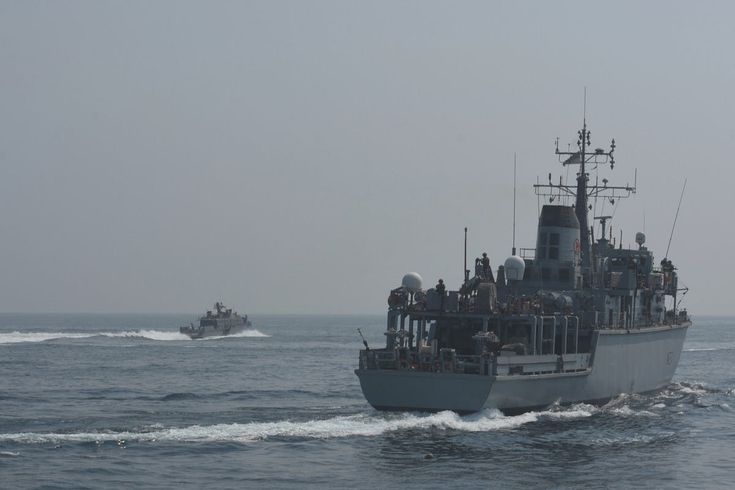
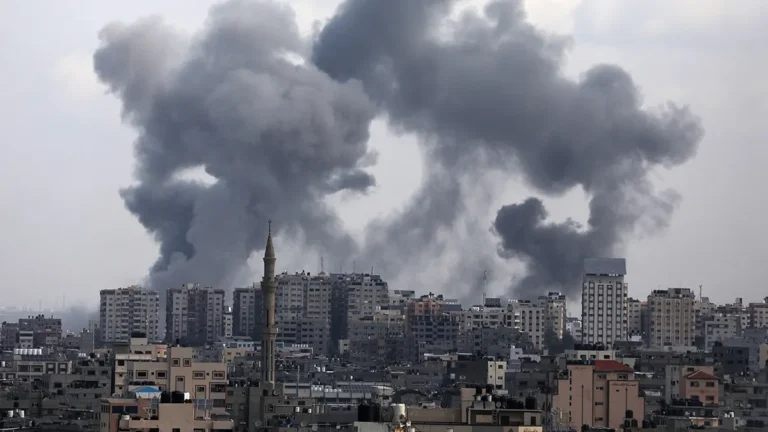
The Strait of Hormuz, a vital waterway for global trade, sees approximately 20% of the world’s oil and liquefied natural gas supplies pass through it each day. The ongoing geopolitical tension, particularly amid the U.S.-Israeli conflict with Iran, has raised concerns among shipping companies and global markets, leading to a significant decrease in maritime traffic in the region.
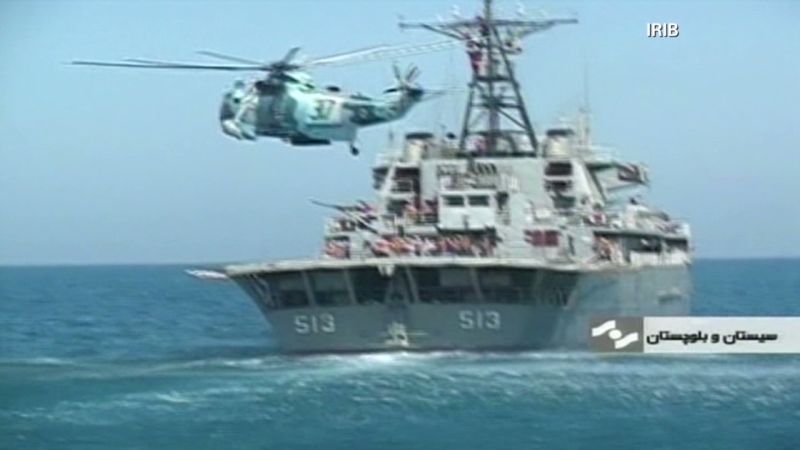
Iranian officials have voiced their commitment to ensuring the safety and security of maritime routes while simultaneously warning that vessels tied to their adversaries could face restrictions. This stance reflects Iran’s broader strategy of asserting its influence in the region while responding to perceived threats from the U.S. and its allies.
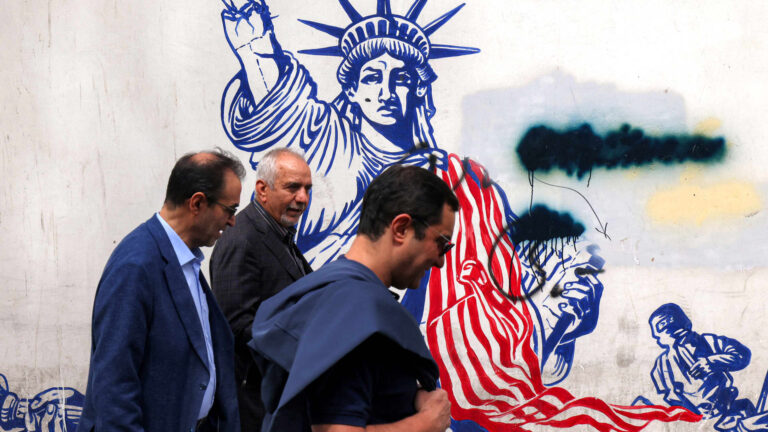
A spokesperson for the Iranian military indicated that while the country seeks to protect its territorial waters and maritime interests, it will not tolerate what it sees as provocations from foreign nations. The Iranian government has articulated that it views the U.S. presence in the region as a destabilizing force that jeopardizes peace and security.
Analysts have pointed out that the potential for conflict in the Strait of Hormuz poses significant risks not only for Iran but for international energy markets as well. Any disruption in this crucial shipping lane could lead to increased oil prices globally, triggering a potential energy crisis that could ripple through economies worldwide.
The U.S. has ramped up its military presence in the region, citing the need to secure maritime routes and protect its allies. This has further strained relations between Washington and Tehran, heightening fears of a military confrontation that could have far-reaching consequences.
As the situation develops, both Iranian and U.S. officials continue to engage in a war of words, with each side emphasizing their respective positions on regional security and maritime safety. Stakeholders in the energy sector are closely monitoring these developments, recognizing that the stability of the Strait of Hormuz is critical to maintaining the flow of oil and gas supplies essential for the global economy.
In summary, while Iran asserts its commitment to keeping the Strait of Hormuz open to international shipping, the ongoing tensions with the U.S. and its allies create an atmosphere of uncertainty that could impact global energy markets and security in the region.