Iran Challenges U.S. Military Options Amid Ongoing Diplomatic Stalemate
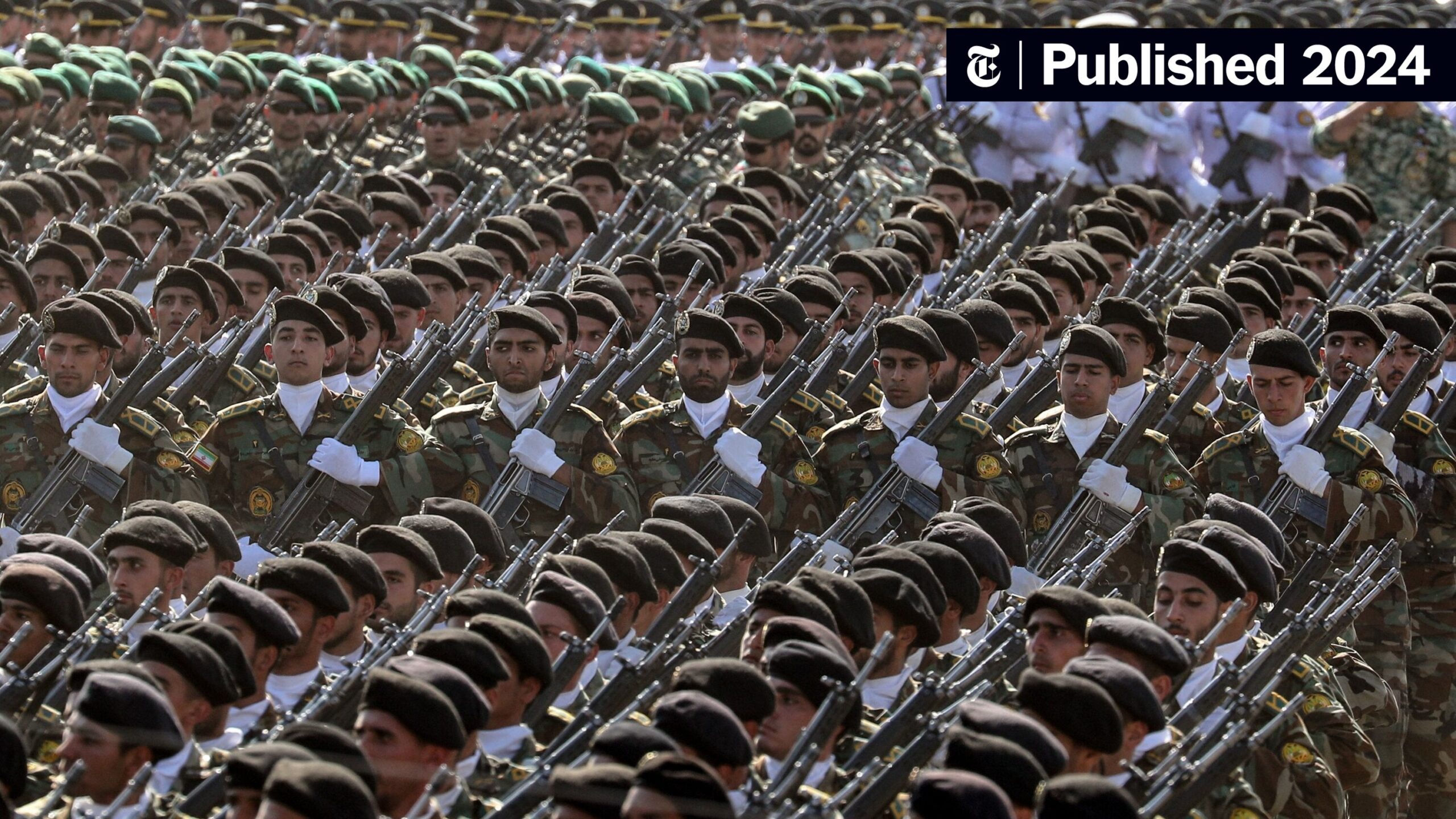
Iran’s Revolutionary Guards have asserted that the United States is facing a critical decision regarding its approach to relations with Tehran, labeling any potential military action as “impossible.” This statement came in the wake of President Donald Trump’s skepticism about Iran’s recent peace proposal, which has further complicated already tense negotiations between the two nations.
The backdrop to this situation is a diplomatic stalemate that has persisted since a ceasefire was established on April 8. Since that time, only one round of direct peace talks has taken place, leaving both sides grappling with uncertainty. The Revolutionary Guards’ remarks reflect a hardened stance from Iran, signaling that the country believes military threats from the U.S. would not only be unfeasible but also detrimental to any potential resolution.
Reports from Iranian news agencies, including Tasnim and Fars, indicate that Tehran has submitted a detailed 14-point proposal to Pakistan, which is acting as a mediator in the discussions. However, President Trump has publicly dismissed this proposal, expressing doubts about its viability and suggesting that it might not lead to a favorable outcome for the United States.
The lack of progress in the negotiations has raised concerns among observers about the future of U.S.-Iran relations, particularly as both countries navigate the complexities of their longstanding geopolitical rivalry. The Revolutionary Guards’ statement reinforces Iran’s position that any diplomatic engagement must be rooted in mutual respect and should not be overshadowed by military threats.
As the situation continues to evolve, the international community is closely monitoring the developments. Diplomats and analysts are calling for a renewed commitment to dialogue, emphasizing that a peaceful resolution is essential not only for the two nations involved but also for regional stability.
In light of the current deadlock, the prospects for a breakthrough remain uncertain. Both sides appear entrenched in their respective positions, with Iran seeking to assert its sovereignty and the U.S. grappling with internal and external pressures regarding its foreign policy approach. As discussions resume, the hope is that constructive dialogue can pave the way for a more stable and peaceful future between the two nations.
Given the historical context and the stakes involved, the outcomes of these negotiations could have lasting implications not only for U.S.-Iran relations but also for the broader Middle Eastern geopolitical landscape.