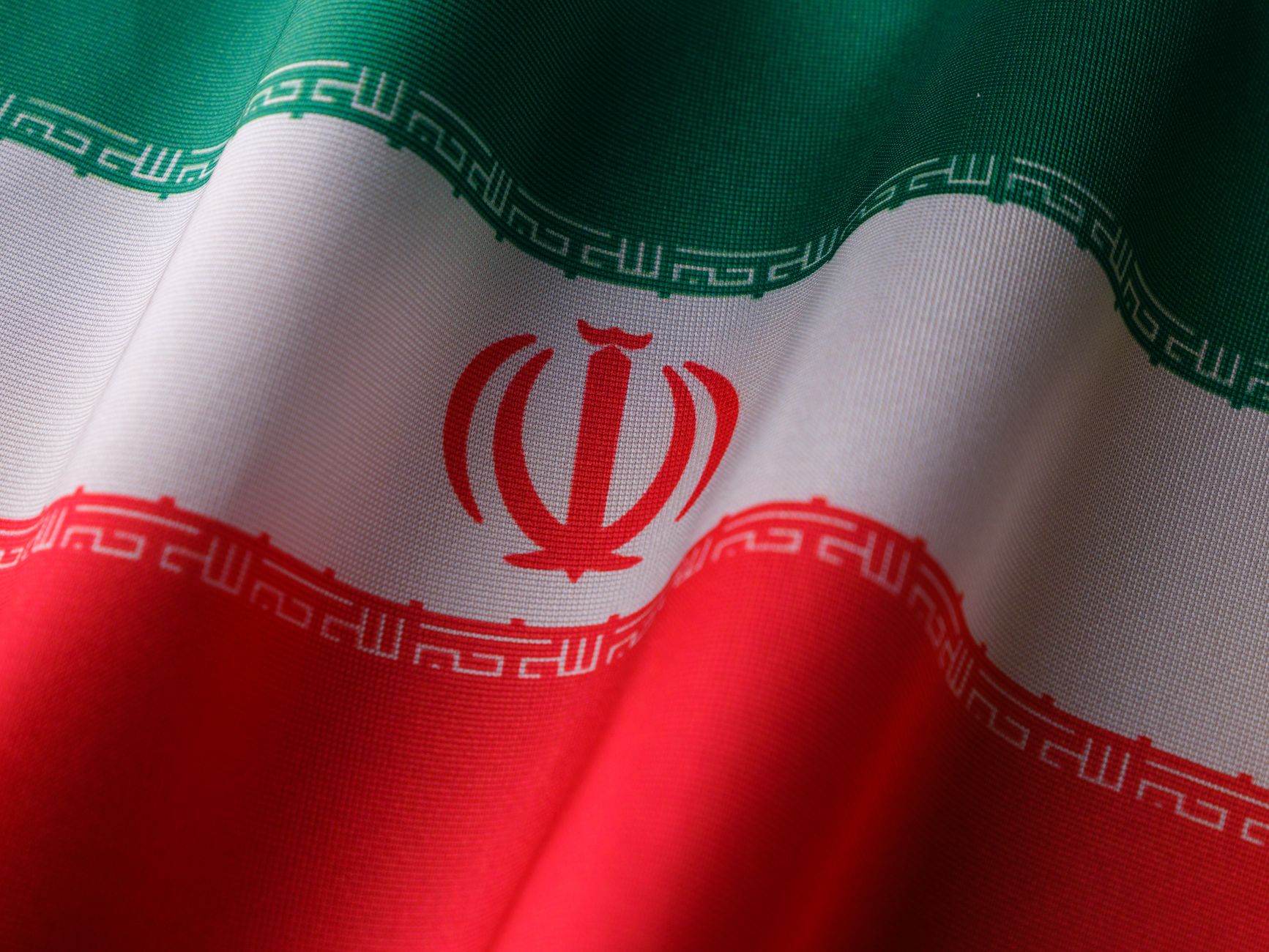
Iran Condemns Upcoming U.S. Sanctions Amid Ongoing Tensions
Iran has strongly criticized the United States’ intentions to impose new sanctions, which the Iranian government warns could exacerbate the already fragile state of its economy. The sanctions are anticipated to affect not only Iran but also its key trading partners, notably China, which has maintained a significant economic relationship with Tehran.
The announcement comes in the context of an ongoing conflict that has persisted for nearly six months, following a series of airstrikes launched by the U.S. and Israel against Iranian targets since February 28. While military confrontations have reportedly decreased, official dialogue aimed at de-escalating tensions appears to be nonexistent. The lack of communication raises concerns about the possibility of further escalation in the region.
In a recent statement, Iranian officials expressed their disapproval of the U.S. sanctions, asserting that such measures are detrimental to international trade and cooperation. The Iranian government has consistently argued that sanctions hinder its economic growth and development, particularly affecting vital sectors such as energy and trade. Analysts believe that the renewed sanctions could lead to increased isolation for Iran, further complicating its already strained economic situation.
The potential sanctions are expected to target various sectors, with implications for foreign investments and trade partnerships. China, as one of Iran’s most significant economic allies, stands to be particularly impacted. Iran’s economy relies heavily on its oil exports, and any restrictions could limit its ability to engage in lucrative deals with its trading partners.
Furthermore, the backdrop of ongoing military actions in the region adds a layer of complexity to the situation. Both the U.S. and Israel have been vocal about their intentions to counter Iran’s influence in the Middle East. The absence of peace negotiations or diplomatic efforts to resolve the conflict raises concerns about the long-term stability of the region.
Iran’s condemnation of the sanctions reflects a broader narrative of resistance against external pressures. The Iranian leadership continues to emphasize the need for sovereignty and independence in its economic policies. As the situation develops, the Iranian government is likely to seek support from its allies, reinforcing its stance against the U.S. sanctions.
The international community is closely monitoring the situation as further sanctions could have significant repercussions not only for Iran but also for global markets and geopolitical dynamics. With both sides entrenched in their positions, the path toward resolution remains uncertain, leaving many to wonder how this standoff will evolve in the coming months.