Iran Confirms Death of Revolutionary Guards Navy Commander Due to Israeli Airstrike
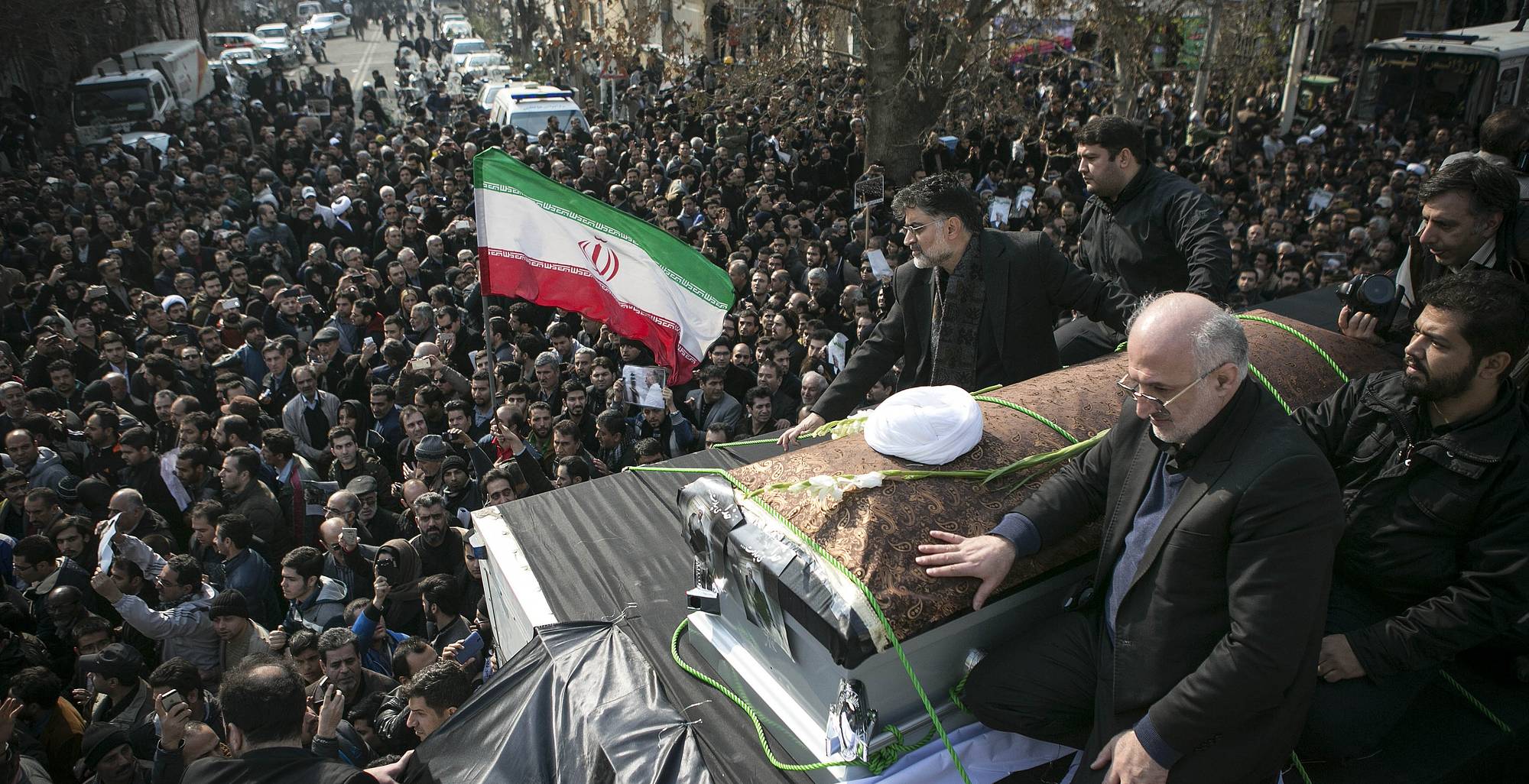
Iran has officially acknowledged the death of Alireza Tangsiri, the commander of the naval forces within the Islamic Revolutionary Guard Corps (IRGC), following an Israeli airstrike. The confirmation was made on Monday through a statement published on the Sepah News website, which is affiliated with the IRGC. According to the announcement, Tangsiri “succumbed to severe injuries” sustained during the attack that occurred last week.
The Israeli government has been vocal about its military operations against Iranian assets, particularly in regions critical to global oil transportation. Israeli Defense Minister Israel Katz stated that the airstrike targeting Tangsiri was a direct response to his alleged involvement in obstructing the Strait of Hormuz. Katz described Tangsiri as the individual “who was directly responsible for the terrorist operation of mining and blocking the Strait of Hormuz,” underscoring the strategic importance of this waterway, which is vital for international maritime trade.
The Strait of Hormuz has been a flashpoint for tensions between Iran and Israel, as well as other nations concerned about maritime security in the region. Control over this narrow passage is crucial, given that a significant portion of the world’s oil supply transits through it. The Iranian government has historically maintained that it has the right to defend its interests in the area, leading to confrontations with various international naval forces.
The killing of Tangsiri marks a significant escalation in the ongoing tensions between Iran and Israel, which have been engaged in a shadow conflict for years. This conflict often manifests through proxy battles and targeted strikes, with both sides accusing each other of destabilizing actions in the region. Iran has vowed to retaliate against such attacks, although the specifics of any potential response remain unclear.
This incident is likely to provoke further debate regarding the role of external military interventions in the Middle East, particularly as Iran continues to assert its influence in the region. Analysts point out that the ongoing hostilities may lead to increased volatility, not only in Iranian-Israeli relations but also impacting the broader geopolitical landscape involving Gulf nations and Western powers.
The situation remains fluid, with many observers keeping a close eye on Iran’s next moves in the wake of Tangsiri’s death. The implications of this airstrike could have far-reaching consequences, particularly for the security dynamics in the Persian Gulf and the stability of oil markets worldwide. As both countries navigate this complex geopolitical terrain, the potential for further escalation remains a significant concern for regional and international stakeholders alike.