Iran Conflict Disrupts Summer Tourism in Cyprus and Greece
The ongoing conflict involving Iran has significantly impacted the tourism sectors in Cyprus and Greece, leading to an increase in cancellations and a notable decline in new bookings. The situation has raised concerns among industry stakeholders as these nations rely heavily on summer tourism for their economic stability.
Tourism in Cyprus was just beginning to rebound following the winter season when tensions escalated. The conflict intensified on February 28, when the United States and Israel initiated military actions against Iran. This escalation coincided with a crucial period for Cyprus, traditionally a popular summer destination, as it was reopening to international visitors.
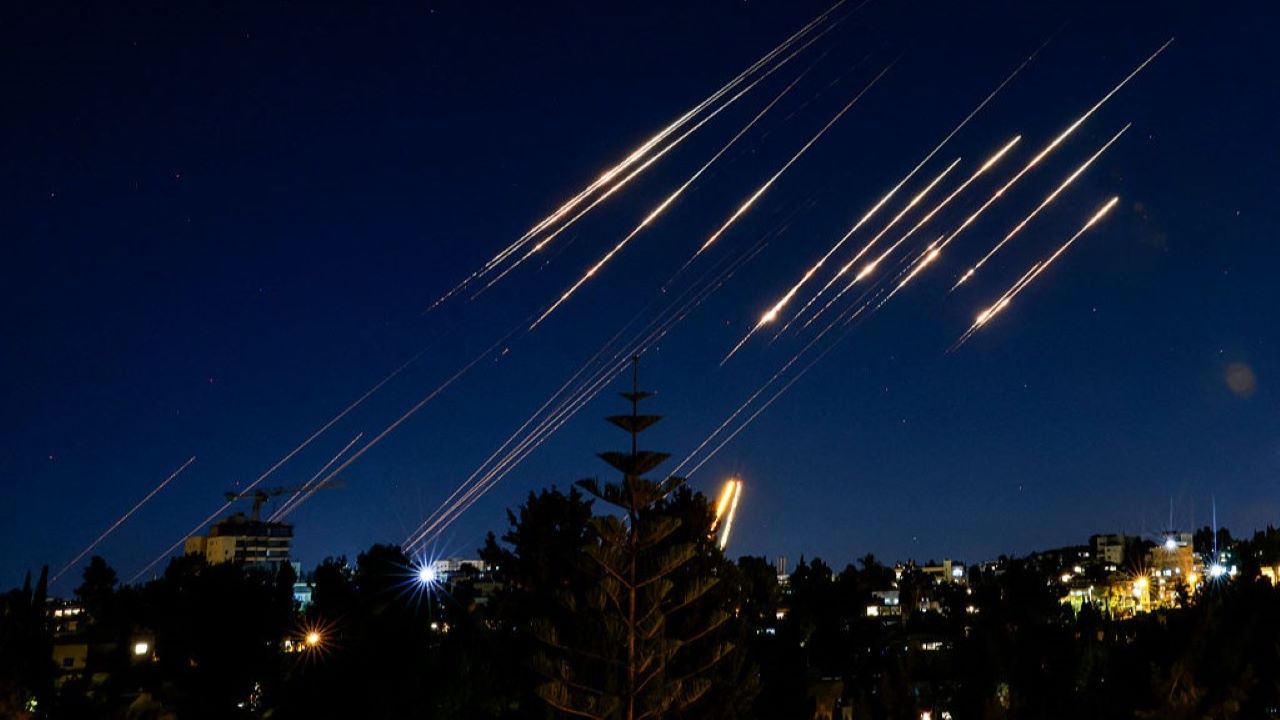
The situation worsened on March 2, when Iran retaliated with a series of counter-strikes. A drone attack on a British naval base located on the island heightened fears among potential tourists, resulting in a flurry of cancellations from travelers who had planned summer vacations in Cyprus. Travel agencies report an alarming trend, with many customers opting to postpone or cancel their trips altogether due to security concerns linked to the conflict.
In Greece, the impact has been felt, albeit to a lesser extent. The country also depends on tourism as a vital component of its economy, particularly during the summer months when the influx of visitors peaks. However, the ripple effects from the situation in Iran have still led to a cautious approach among travelers, with some expressing hesitance about visiting the region amid ongoing geopolitical tensions.
Industry leaders in both Cyprus and Greece are actively seeking ways to reassure prospective tourists about safety measures and the stability of their destinations. They emphasize that the regions remain largely safe for visitors and that efforts are underway to mitigate concerns regarding the conflict’s impact on travel.
The tourism sector is crucial for both countries, not only providing jobs but also contributing significantly to their GDP. The summer months are particularly critical, with many businesses relying on the influx of international tourists to sustain their operations throughout the year. As cancellations continue to rise, local governments and tourism boards are exploring strategies to attract visitors back, including promoting alternative experiences and enhancing safety protocols.
As the situation evolves, stakeholders are hopeful that tensions will de-escalate and that summer tourism can regain its momentum. The success of these efforts will be essential for the economies of Cyprus and Greece, which are both navigating the challenges posed by the current conflict in the region.