Iran Conflict Intensifies Political Landscape for Trump’s Potential Successors
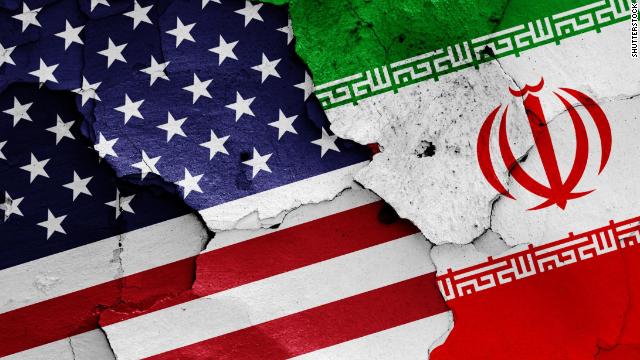
The ongoing conflict in Iran is not only shaping international relations but also significantly impacting the political future of several key figures within the Republican Party. As President Donald Trump grapples with the ramifications of the war, two of his prominent aides—Vice President JD Vance and Secretary of State Marco Rubio—find themselves at the center of intense negotiations aimed at resolving the crisis. Their roles in this high-stakes situation are drawing attention, particularly as both are viewed as potential candidates to succeed Trump in the 2028 presidential race.
The situation in Iran has escalated tensions globally, leading to a series of complex diplomatic discussions. Vance and Rubio are actively involved in these negotiations, which could have lasting implications for the United States’ foreign policy and its standing in the Middle East. Their performance during this critical period may not only influence the outcome of the conflict but also shape their political trajectories within the Republican Party.
Vance, who has positioned himself as a staunch supporter of Trump’s policies, is seen as a candidate who could carry forward the current administration’s legacy. His approach to the Iranian crisis reflects a commitment to maintaining a tough stance on Iran while also seeking diplomatic solutions to avoid further escalation. Meanwhile, Rubio, known for his extensive experience in foreign affairs and his advocacy for a strong American presence in global politics, is also navigating the complexities of the situation with an eye toward presenting a comprehensive strategy that appeals to both party leaders and the electorate.
As the war continues, Republican leaders are increasingly focused on the party’s future direction. The potential candidacies of Vance and Rubio are already being scrutinized, with party members weighing their respective qualifications and stances on key issues. The ongoing crisis could serve as a litmus test for their capabilities as leaders and their ability to unify the party under a coherent vision for the future.
Additionally, the conflict in Iran raises questions about Trump’s legacy, particularly concerning his foreign policy decisions. The outcomes of Vance and Rubio’s negotiations may be pivotal in defining how the party remembers Trump’s presidency and how it positions itself ahead of the 2028 elections.
As the situation develops, both Vance and Rubio will need to demonstrate their leadership skills and adaptability in the face of international challenges. Their actions in the coming weeks and months could significantly influence not just the resolution of the Iranian conflict but also their political prospects and the broader trajectory of the Republican Party. The stakes are high, and both figures are likely aware that their responses to this crisis could shape their legacies and the future of American politics in the years to come.