Iran Conflict May Lead to Long-Term Gas Demand Decline, Warns Industry Expert
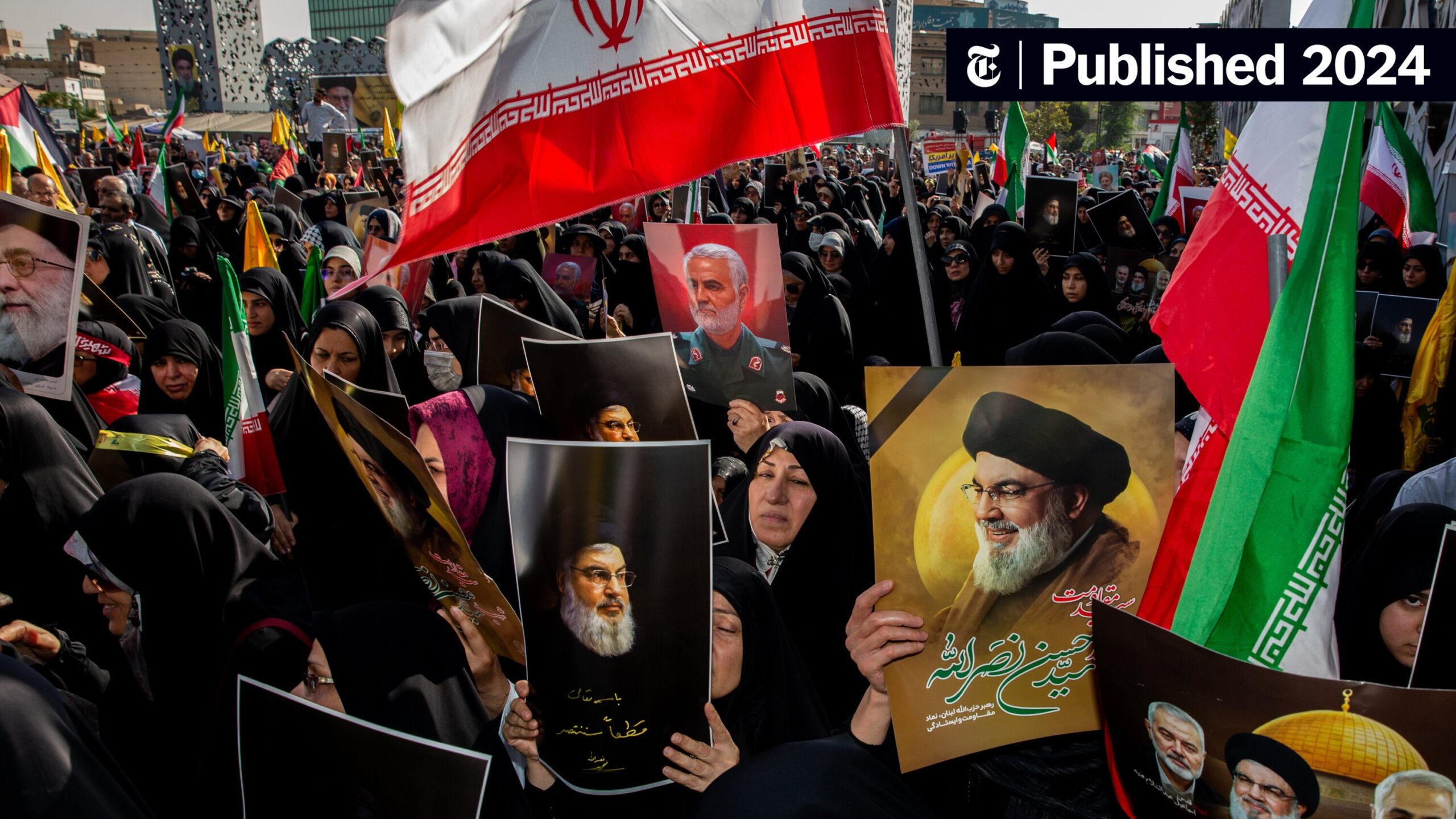
The ongoing conflict in Iran is threatening to cause a significant and potentially lasting decline in global natural gas demand, according to a senior official from the Gas Exporting Countries Forum. As nations around the world take steps to manage the fallout from the war, the current disruption in energy supply could evolve into a more structural issue if the situation continues to escalate.
Since the onset of hostilities in late February, the energy market has experienced unprecedented turbulence. Data from Kpler indicates that over 500 million barrels of crude oil and condensate have been removed from the global supply chain, marking this as one of the most substantial energy supply disruptions in recent history. This has prompted governments to react swiftly, implementing various measures aimed at mitigating the impact of the crisis on their domestic economies.
The head of the Gas Exporting Countries Forum emphasized that while short-term adjustments are being made, the longer-term effects of the conflict could lead to a fundamental shift in demand patterns for natural gas. The potential for a sustained decrease in demand raises concerns not only for gas-exporting nations but also for global energy markets as a whole.
As countries scramble to find alternative energy sources and rethink their energy strategies, the ramifications of the Iran conflict are becoming increasingly apparent. The disruption is not just confined to oil but extends to natural gas, which is often seen as a critical component of energy security in many regions. Governments may be compelled to diversify their energy portfolios to reduce reliance on volatile sources, particularly in light of the ongoing geopolitical tensions.
Experts are urging stakeholders to closely monitor the evolving situation, as the potential for structural changes in demand could reshape the energy landscape for years to come. The implications extend beyond immediate supply concerns, as countries reassess their energy policies and investment strategies in response to the shifting dynamics of the global market.
As the world grapples with these challenges, the importance of energy stability and security has never been more pronounced. Policymakers are being called upon to devise strategies that not only address the current crisis but also lay the groundwork for a more resilient energy future.
In summary, the conflict in Iran is not just a regional issue; it has far-reaching consequences that could lead to a long-term shift in global natural gas demand. Stakeholders across the energy sector will need to adapt to these changes, as the fallout from the crisis continues to unfold.