Iran Executes Afghan National Linked to 2026 Protests
Iran has carried out the execution of an Afghan national, Ghaem Hosseini, who was convicted for his role in the deaths of police officers during anti-government protests. This execution marks the 30th such incident amid a series of hangings that have occurred since the onset of the ongoing conflict in the Middle East, as reported by various human rights organizations.
According to Mizan Online, the official news outlet of Iran’s judiciary, Hosseini was found guilty of participating in the violent protests that erupted in 2026, which were largely fueled by public discontent over the government’s policies and economic hardships. The protests saw significant unrest, and it was during these demonstrations that four police officers lost their lives.
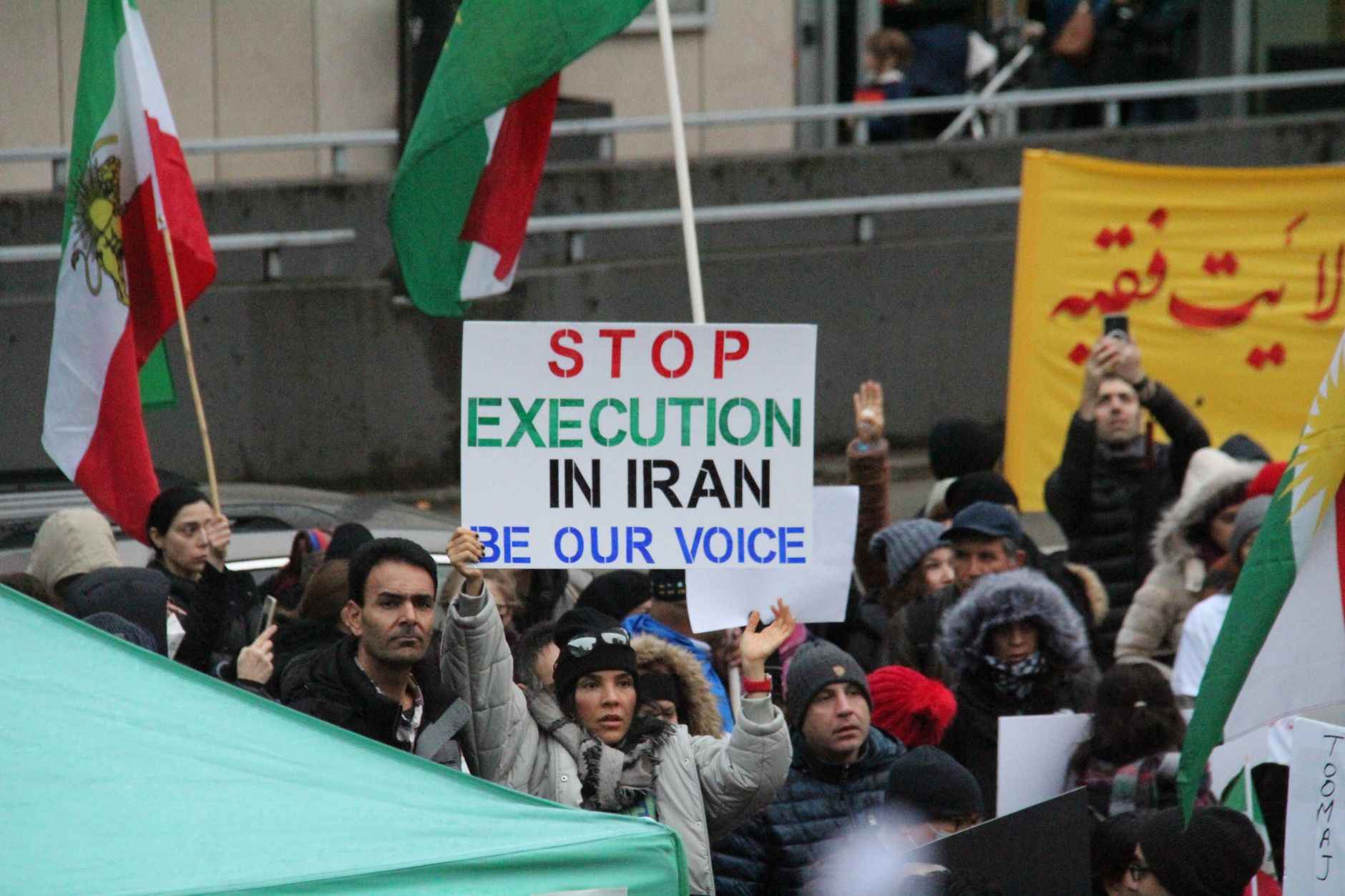
The Iranian government has cracked down on dissent, particularly in the wake of protests that have highlighted widespread grievances among the populace. Human rights advocates have condemned the wave of executions, arguing that they are part of a larger strategy to instill fear and suppress opposition. The Iranian authorities have defended their actions as necessary for maintaining public order and security.
Hosseini’s case has drawn attention to the plight of Afghan nationals in Iran, many of whom have faced discrimination and persecution. The Afghan community in Iran has been vulnerable to various forms of violence and marginalization, exacerbated by the political tensions in the region. Critics argue that the execution of an Afghan individual underscores the precarious position of refugees and migrants in Iran, who often lack access to fair legal representation and are at risk of severe penalties.
In the broader context, the recent executions in Iran have elicited international condemnation. Human rights organizations, including Amnesty International, have called for a halt to the death penalty in Iran, citing concerns over the fairness of trials and the treatment of defendants. Activists argue that the Iranian judicial system often lacks transparency and due process, leading to unjust sentences.
As the situation unfolds, the Iranian government continues to face scrutiny from the global community regarding its human rights record. The execution of Ghaem Hosseini is not only a reflection of internal strife but also highlights the complex dynamics between Iran and its neighboring countries, particularly concerning the treatment of Afghan refugees.
The ongoing cycle of violence and repression raises important questions about the future of civil liberties in Iran and the potential for change in the face of escalating tensions both domestically and in the region.