Iran Executes Two Members of Banned Opposition Group Amid Ongoing Tensions
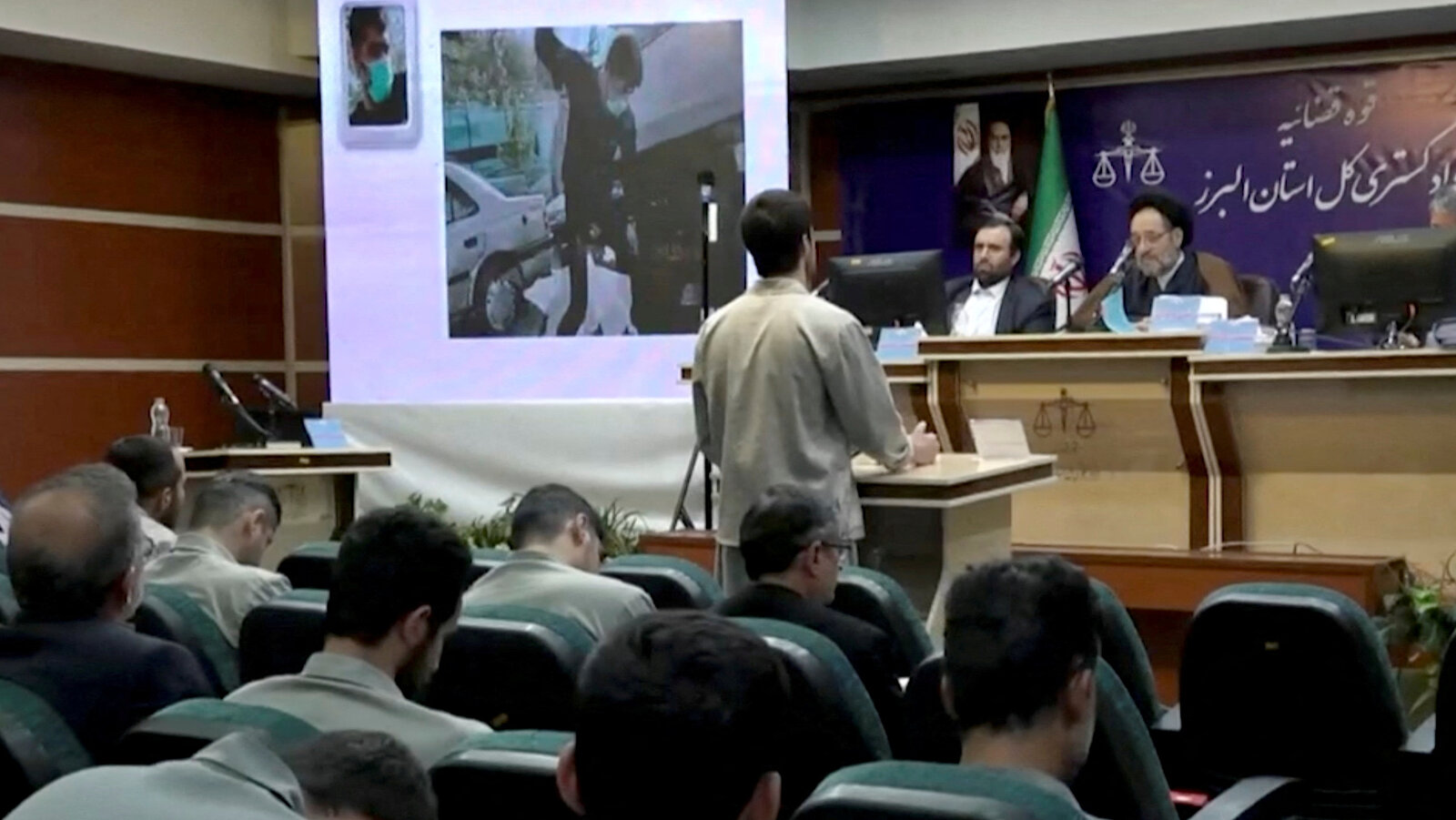
In a significant and controversial move, Iranian authorities executed two men identified as members of a banned opposition group, further intensifying the already strained atmosphere surrounding political dissent in the country. Akbar Daneshvarkar, aged 60, and Mohammad Taghavi-Sangdehi, 59, were put to death early Monday morning in Gehzel Hesar prison, located in the Tehran suburb of Karaj.
Both men were reportedly affiliated with the People’s Mujahedin of Iran (MEK), an organization that has been outlawed by the Iranian government. Human rights activists have labeled Daneshvarkar and Taghavi-Sangdehi as political prisoners, arguing that their executions highlight the regime’s ongoing efforts to suppress opposition voices amid rising tensions with the United States and Israel.
The Iranian government has faced increasing scrutiny for its use of capital punishment, particularly for individuals accused of political dissent. Rights groups have condemned the executions, stating that they reflect a broader pattern of human rights violations in Iran. The country has seen a surge in executions in recent months, with reports indicating that the regime is using this tactic as a means to instill fear and maintain control over the population in an increasingly volatile political climate.
The MEK, which advocates for the overthrow of the Iranian government, has been involved in a long-standing conflict with the regime. Although the group has been designated as a terrorist organization by some countries, it also has a considerable following and has been vocal in its opposition to the Iranian leadership. The executions of Daneshvarkar and Taghavi-Sangdehi are viewed by many as a direct attempt to quash dissent and deter others from aligning themselves with the group.
This incident comes against the backdrop of heightened tensions in the region, particularly in light of Iran’s ongoing disputes with the U.S. and Israel. The Iranian government has frequently accused these nations of conspiring against its sovereignty, often using these accusations to justify its domestic crackdowns on dissent and opposition.
As calls for justice and accountability grow louder, the international community continues to monitor the situation closely. Advocacy groups are urging global leaders to take a stronger stance against Iran’s human rights abuses and to support those who are fighting for democratic reforms within the country.
The executions of Daneshvarkar and Taghavi-Sangdehi serve as a stark reminder of the precarious situation faced by political activists in Iran and underscore the challenges that remain in the pursuit of freedom and justice in the region. As the world watches, the future of political dissent in Iran hangs in the balance.