Iran Insists on Diplomatic Resolution Amid U.S. Rejection of Peace Initiative
Iran has reaffirmed its commitment to a diplomatic approach in resolving ongoing tensions with the United States and Israel, following remarks by U.S. President Donald Trump who dismissed an Iranian proposal aimed at reopening the Strait of Hormuz and ceasing hostilities in the region. The Iranian government emphasized its belief that dialogue is the only path forward, despite the current geopolitical climate.
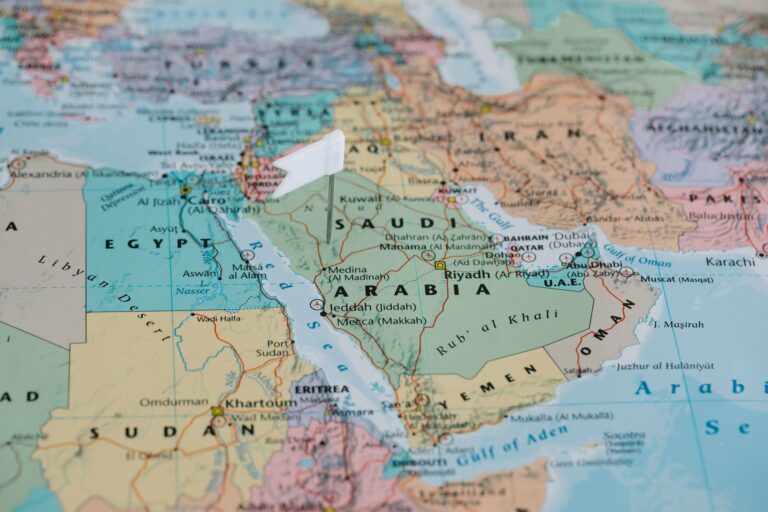
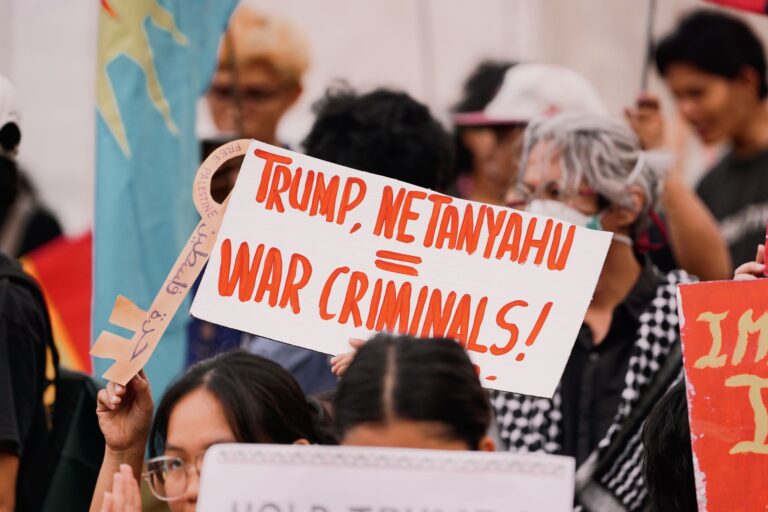
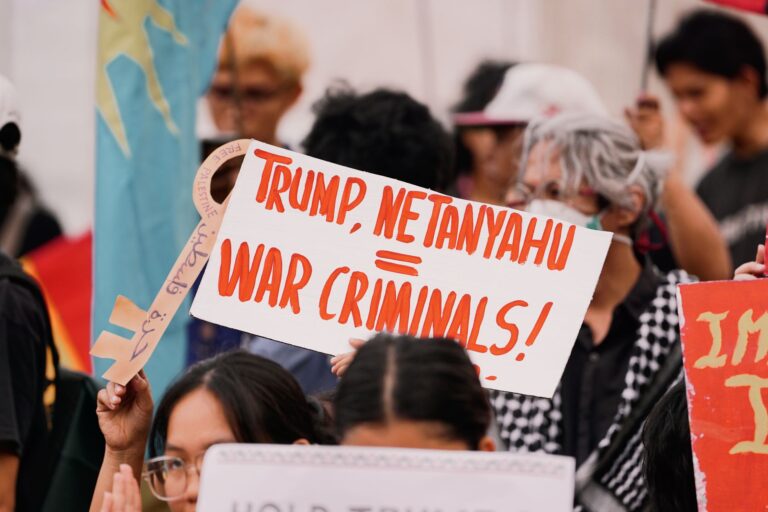
During a recent address, President Trump categorically rejected the Iranian offer, which was positioned as a means to foster peace and stability in a region that has seen escalating conflicts and maritime tensions. The Strait of Hormuz, a crucial waterway for global oil shipments, has been a focal point of military confrontations and heightened naval presence from both Iran and the United States.
Iranian officials responded to Trump’s dismissal by reiterating their stance on the necessity of negotiations. They highlighted the importance of international cooperation and understanding in addressing mutual concerns, suggesting that the path to peace lies in engaging with one another rather than resorting to military posturing and sanctions.
The Iranian leadership articulated that the proposed peace plan aimed to create a framework for dialogue that could mitigate the risks of confrontation in the region. They stressed that any resolution must consider the interests of all parties involved and should be rooted in mutual respect and recognition of sovereignty.
The backdrop of this diplomatic exchange is marked by ongoing tensions that have seen both nations engage in a series of confrontational actions. The U.S. has ramped up its military presence in the Persian Gulf, while Iran has indicated its willingness to defend its territorial waters vigorously.
Experts on Middle Eastern relations have noted that the rejection of the peace initiative by Trump may further complicate an already delicate situation. They argue that diplomatic channels should remain open, as they provide a necessary platform for de-escalation and conflict resolution. The international community, including allies and neighboring countries, is urged to play a supportive role in facilitating dialogue between the two nations.
As the situation develops, observers remain cautious but hopeful that renewed diplomatic efforts could emerge, allowing for a constructive engagement that prioritizes peace and stability in the region. Iran’s emphasis on diplomacy serves as a reminder of the complexities of international relations, where dialogue can often yield more sustainable outcomes than military intervention.