Iran Issues Warning Against U.S. Forces in Hormuz Following Trump’s Announcement
Tensions in the Strait of Hormuz escalated on Monday as Iran’s military issued a stern warning to U.S. forces, threatening retaliation should they enter the strategically significant waterway. This warning followed President Donald Trump’s announcement that the United States would take measures to assist in the navigation of vessels through the strait, a critical passage for global oil shipments.
The Strait of Hormuz, which connects the Persian Gulf to the Gulf of Oman, is a vital shipping route, with approximately one-fifth of the world’s oil supply passing through it. The U.S. has long maintained a military presence in the region, citing the need to ensure the free flow of maritime traffic and to deter Iranian aggression.
Iran’s Fars news agency reported a dramatic incident shortly after the warning, claiming that a U.S. warship navigating in the strait was struck by missiles and subsequently forced to change course. However, the U.S. Central Command quickly refuted these claims, asserting that no U.S. vessels had been attacked or damaged in the area. The discrepancy between the two accounts reflects the ongoing tensions and the potential for misinformation in such a charged environment.
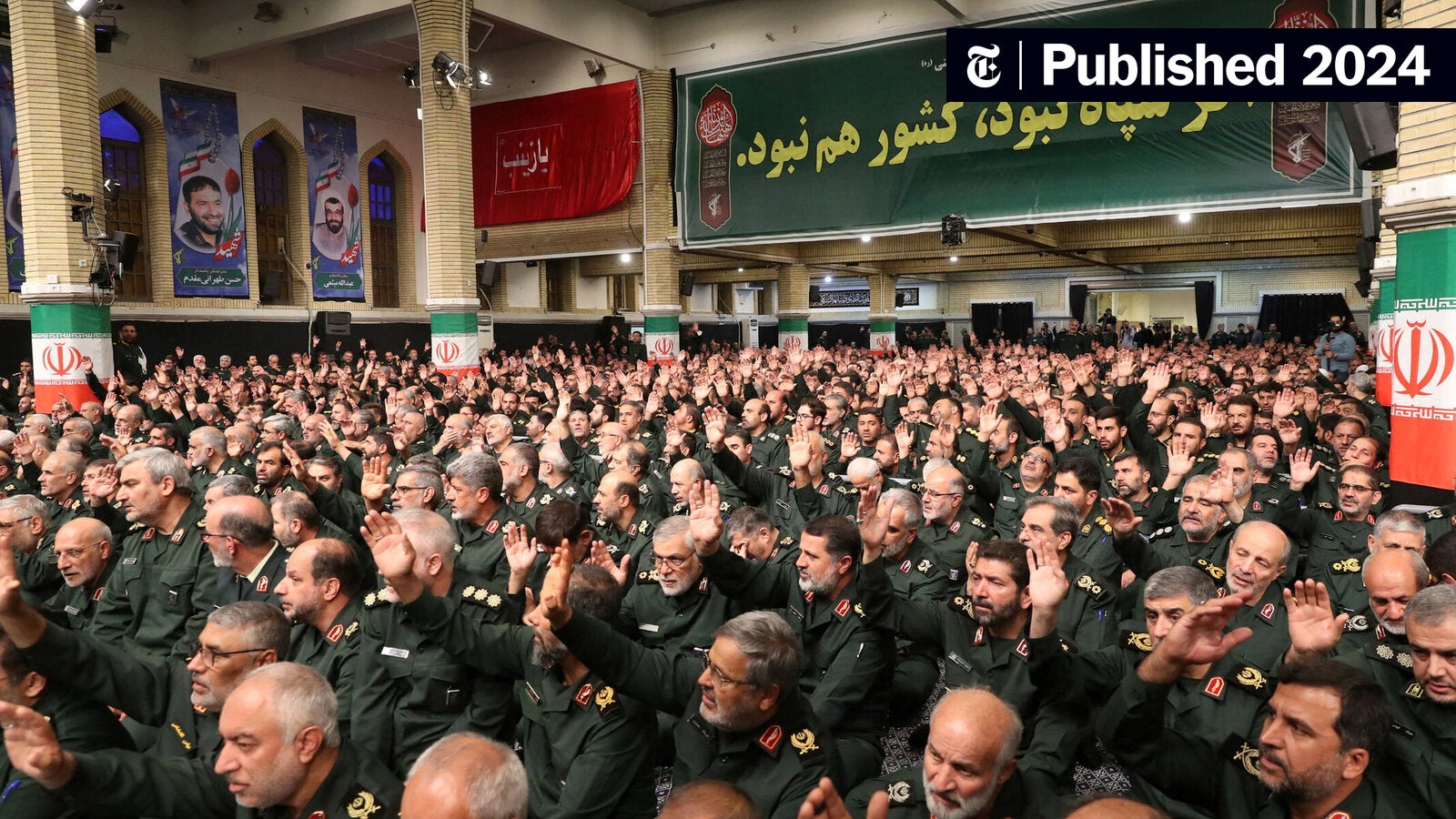
The Iranian military’s statements underscore the heightened risks of confrontation in the region, especially as the U.S. continues to bolster its naval presence in response to perceived threats from Iran. The Iranian government has consistently viewed U.S. military activity in the Gulf as provocative and a direct challenge to its sovereignty.
In light of these developments, analysts are closely monitoring the situation. They express concern that any miscommunication or unintended escalation could lead to a broader conflict. The U.S. and Iran have a long history of strained relations, marked by a series of confrontations and mutual accusations.
As the situation evolves, both local and international stakeholders are urged to exercise caution. The implications of military engagement in the Strait of Hormuz extend beyond the immediate region, bearing significant consequences for global energy markets and international security.
The ongoing tensions highlight the need for diplomatic engagement to resolve disputes peacefully. While military strategies may provide short-term solutions, long-term stability will likely require dialogue and negotiation between the involved parties.
As communities in Ohio and around the world keep a close eye on these developments, the hope remains that cooler heads will prevail, and that a path toward de-escalation can be found amidst the rising tensions in the region.