Iran Oil Shock Hits Global Economy as Early Data Signal Stagflation Risks
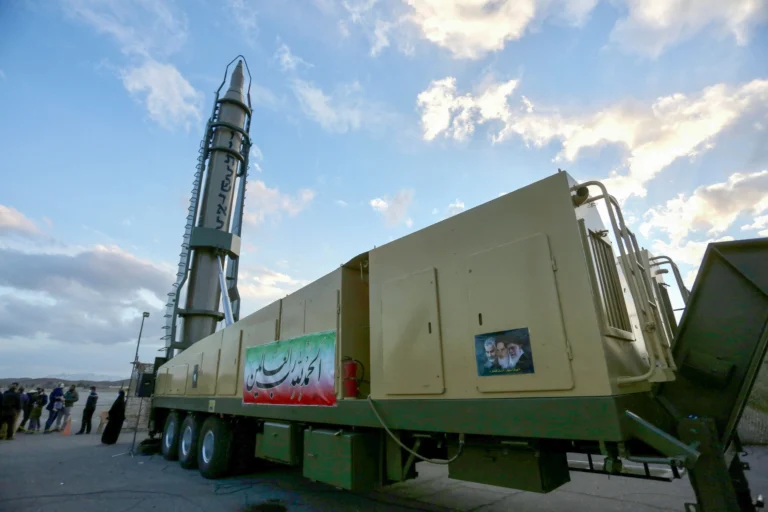
The ongoing conflict between Israel and Iran has begun to reverberate through the global economy, creating uncertainties that could lead to stagflation—a combination of stagnant economic growth and rising inflation. Early data from various economic indicators reveal that the repercussions of this geopolitical tension are influencing markets and consumer behavior worldwide.
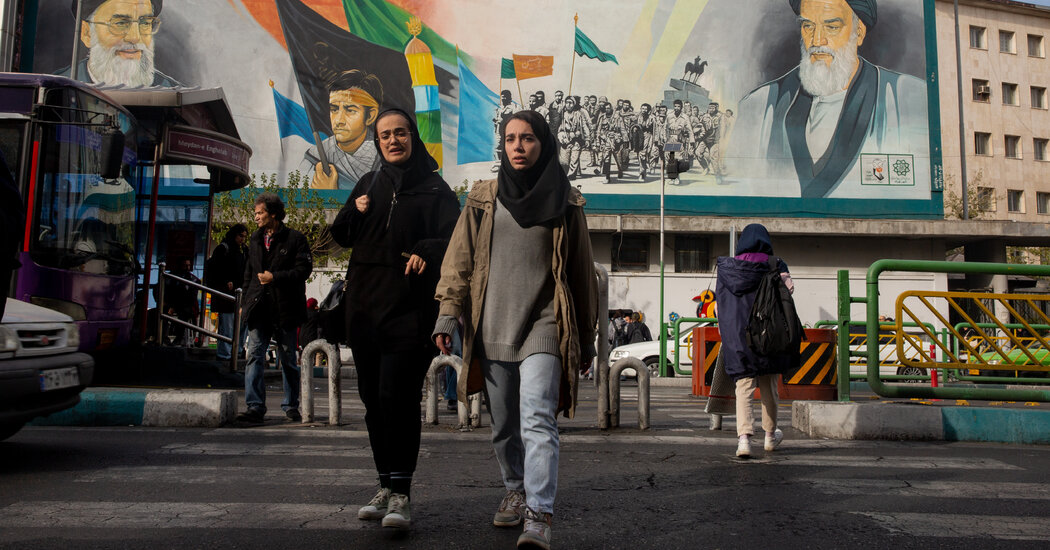
As tensions escalate, oil prices have surged, with crude oil climbing to its highest levels in more than a year. This spike can be attributed to fears of supply disruptions stemming from the conflict. Iran, a major oil producer, has seen its exports affected not only by the war but also by existing sanctions. The reduced supply from this key player has led to increased prices, impacting economies that rely heavily on oil imports.
Analysts are expressing concern that the rising cost of energy will translate into higher prices for goods and services, straining consumers already grappling with inflationary pressures. Households may soon find themselves facing increased costs for essentials, further tightening their budgets. The cumulative impact of these changes could dampen consumer spending, which is a crucial driver of economic growth.
In response to these challenges, central banks around the world are closely monitoring the situation. Some may consider adjusting interest rates to combat inflation, but such moves could inadvertently stifle growth. This delicate balancing act has left policymakers in a challenging position as they navigate the potential for stagflation—where high inflation coincides with stagnant economic activity.
The International Monetary Fund (IMF) has cautioned that the situation in Iran could lead to broader economic instability, particularly for countries that are heavily dependent on oil imports. Nations in Europe and Asia, in particular, could face significant challenges as they try to manage the dual pressures of rising energy costs and the need to maintain economic momentum.
Moreover, the impact of the conflict extends beyond oil markets. Global supply chains, which are still recovering from the disruptions caused by the COVID-19 pandemic, could face additional strain. As companies deal with higher transportation costs and potential delays, the ripple effects could be felt across various sectors, from manufacturing to retail.
Experts emphasize the need for vigilance as these economic trends unfold. The confluence of rising energy prices, potential supply chain disruptions, and increasing inflation could pose significant risks to economic stability. As the situation develops, both consumers and businesses may need to brace for a challenging economic landscape ahead.
In conclusion, the war between Israel and Iran is not just a regional conflict; it is shaping the economic realities faced by communities worldwide. As oil prices rise and economic growth slows, the potential for stagflation looms, highlighting the interconnectedness of global markets and the far-reaching implications of geopolitical events.