Iran Takes Seized Ships to Port Amid International Concerns for Crew Safety
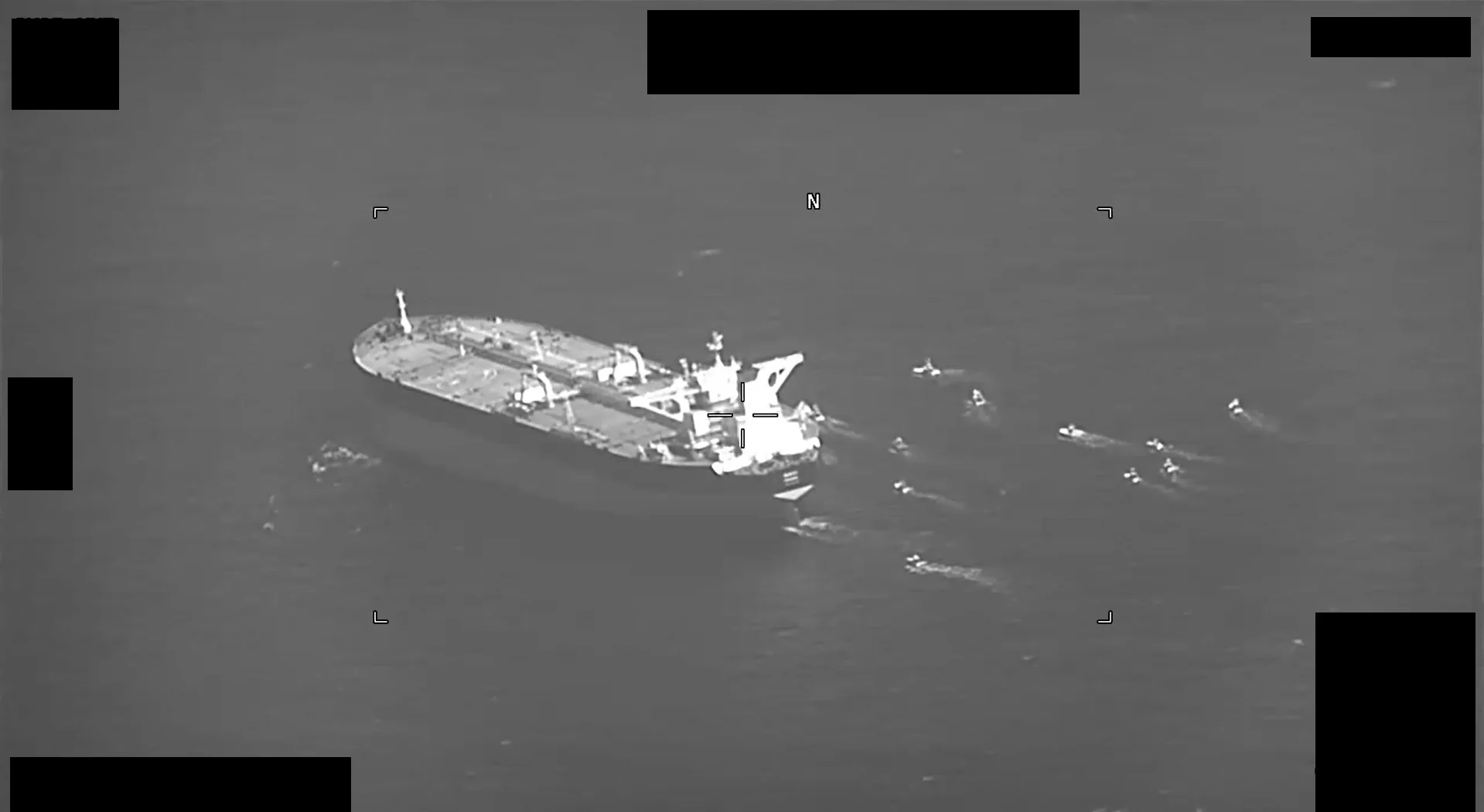
Tensions in the Strait of Hormuz have escalated following the seizure of two container ships by Iran’s Islamic Revolutionary Guard Corps (IRGC). Reports indicate that the vessels, which collectively carry approximately 40 crew members, have been diverted to the Iranian port of Bandar Abbas. This development comes just days after U.S. forces captured an Iranian ship, prompting Iran’s swift and retaliatory action.
The two container ships involved include one operated by Mediterranean Shipping Company (MSC), recognized as the world’s largest container shipping line. The other vessel, chartered by a different firm, was also taken under similar circumstances. The seizure has raised alarms among maritime stakeholders and governments, who are now actively seeking information about the well-being and safety of the crew members aboard these ships.
In response to the situation, officials from various countries are urging Iran to provide updates regarding the condition of the sailors. The safety of the crew, many of whom come from diverse backgrounds and nationalities, remains a primary concern. As the situation unfolds, international maritime organizations and governments are coordinating their efforts to ensure that the rights and safety of the crew are upheld.
The Strait of Hormuz is a critical waterway through which a significant portion of the world’s oil supply is transported. This incident is not isolated; it reflects the ongoing tensions in the region, particularly between Iran and the United States, which have seen a series of confrontations over maritime activities in recent years. The U.S. has accused Iran of destabilizing the region and disrupting international shipping, while Iran has condemned U.S. actions as aggressive provocations.
Iranian officials have characterized the seizure of the ships as a necessary response to U.S. actions, framing it within a broader narrative of resistance against foreign interference. This incident serves as a reminder of the fragile security environment in the Gulf region, where naval encounters can quickly escalate into broader conflicts.
As diplomatic channels remain strained, calls for dialogue and de-escalation have grown louder. Analysts suggest that both nations must exercise caution to avoid further escalating tensions that could threaten regional stability and global shipping routes.
In the meantime, the situation continues to develop, and stakeholders are closely monitoring the response from Iran as well as the safety of the crew members. The international community is hopeful for a resolution that prioritizes the welfare of the sailors while addressing the underlying geopolitical tensions that have led to this incident.