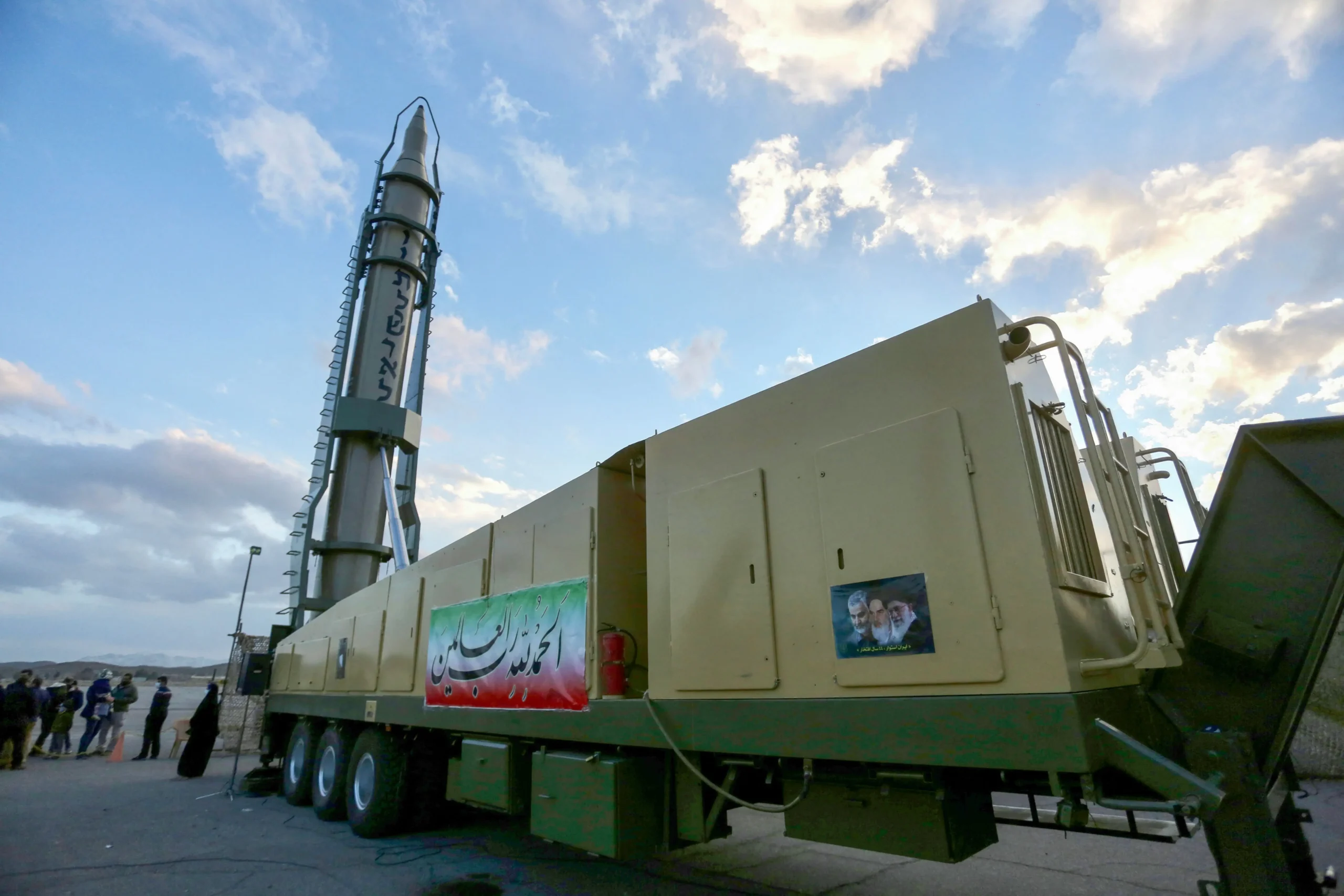
Iranian Ballistic Missile Intercepted Over Lebanon Amid Heightened Tensions
In a significant escalation of regional tensions, a ballistic missile reportedly launched from Iran was intercepted over Lebanese airspace, raising concerns about the ongoing conflict involving Hezbollah and Israel. This incident comes in the wake of intensified hostilities, with Hezbollah firing rockets into Israeli territory and Israel responding with heavy airstrikes across Lebanon.
The intercepted missile, believed to be part of Iran’s ongoing military support for Hezbollah, underscores the complex geopolitical dynamics at play in the region. The United States has expressed particular concern over the potential targeting of its embassy in Beirut, which has been a focal point for diplomatic activities and a symbol of American presence in Lebanon.
The situation has been further exacerbated by the recent exchanges of fire between Israeli forces and Hezbollah fighters. Israeli airstrikes have targeted various sites in Lebanon, including those linked to Hezbollah’s military infrastructure. In response, Hezbollah has launched its own barrages into northern Israel, resulting in casualties and damage on both sides.
Lebanese officials have condemned the violence, calling for restraint and dialogue to prevent further escalation. However, the risks of miscalculation remain high, especially with multiple actors involved. Analysts warn that the ongoing conflict could spiral out of control, drawing in additional regional powers and leading to broader confrontations.
The U.S. military has increased its presence in the region as a precautionary measure. In light of the recent missile interception, American officials are urging citizens to exercise caution and remain vigilant in Lebanon. The embassy has reiterated its commitment to ensuring the safety of its personnel and the Americans residing in the country.
International responses to the escalating violence have varied, with some nations calling for an immediate ceasefire and others supporting Israel’s right to defend itself. The United Nations has expressed deep concern over the humanitarian implications of the conflict, particularly for civilians caught in the crossfire.
As the situation develops, the potential for further military actions looms large, with both Hezbollah and Israel on high alert. The Iranian missile interception serves as a stark reminder of the precarious balance of power in the region and the risks posed by external influences. Local communities, particularly those with ties to the Arab-American population, are closely monitoring the situation, aware of the profound impacts that geopolitical conflicts can have on everyday life.
In this volatile environment, the hope remains that diplomatic efforts can prevail, leading to de-escalation and a return to dialogue rather than armed conflict. As tensions persist, the international community watches closely, aware that the stability of Lebanon and the broader region hangs in the balance.