Iranian Flights Cancelled as US Sanctions Take Effect; Saudi Arabia Intercepts Houthi Missiles
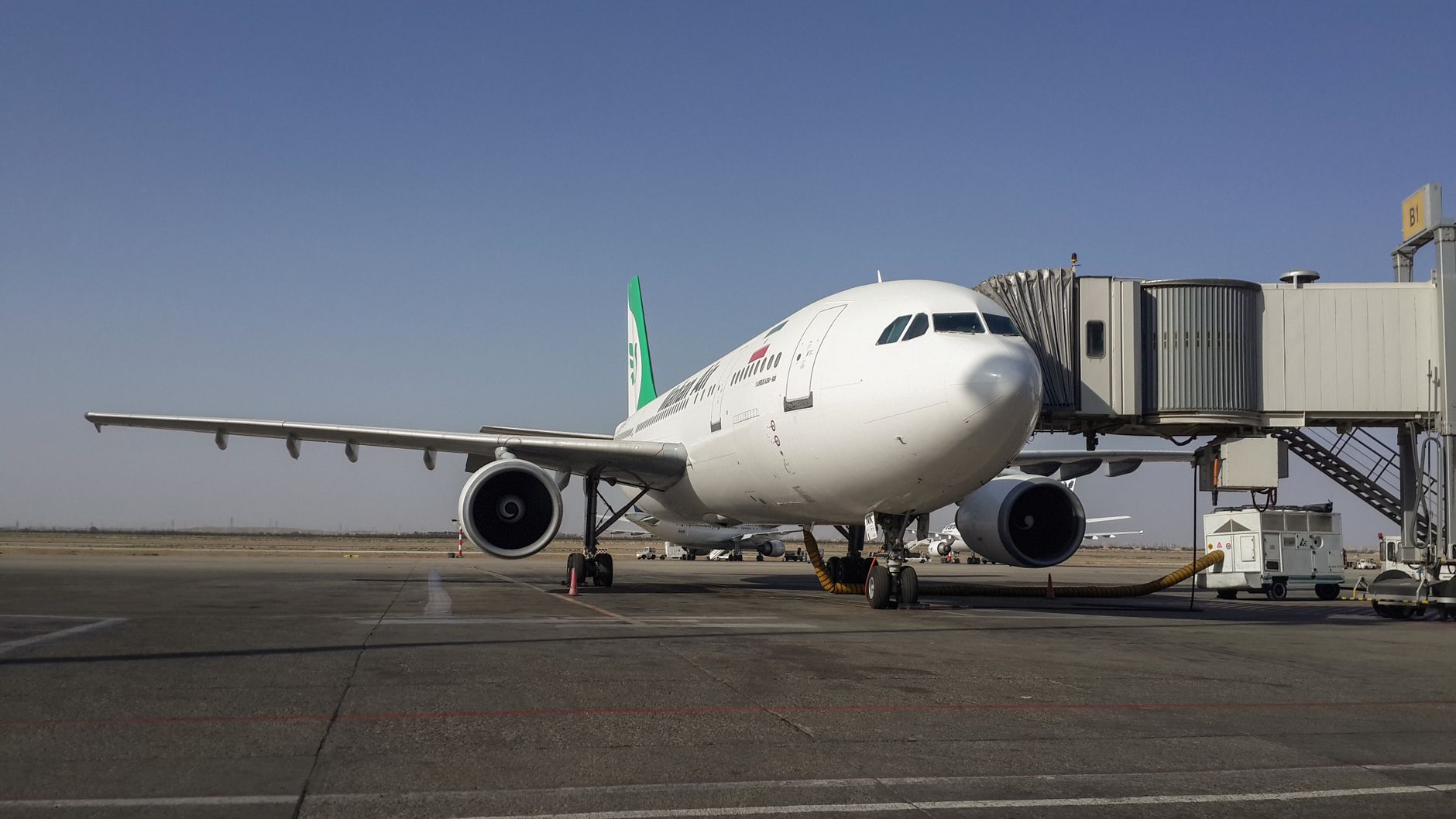
Recent developments in the Middle East have led to the cancellation of Iranian flights to several Gulf destinations, including the bustling travel hub of Dubai. This disruption follows the expiration of a U.S. deadline for global companies to cease operations with Iranian airlines, marking a significant escalation in the economic pressure being applied by the United States. This initiative, described by President Donald Trump as “economic D-Day,” aims to curtail Iran’s influence in the region by crippling its economic ties.
The sanctions are part of a broader strategy by the U.S. administration to isolate Iran economically and politically. With the deadline now passed, many international airlines have halted their services to and from Iran, impacting thousands of travelers in the process. Observers note that the fallout from these sanctions is likely to be felt not just in Iran but across the Gulf region, affecting trade and tourism.
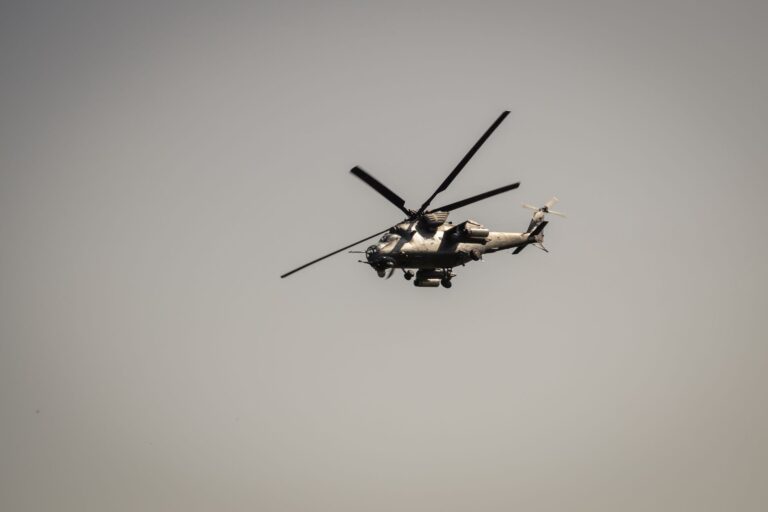
In Saudi Arabia, tensions have been heightened due to an ongoing conflict with Houthi rebels from Yemen, who are backed by Iran. On Thursday, Saudi defense forces reported that they successfully intercepted six ballistic missiles that were launched by the Houthis. This incident underscores the escalating military confrontation between the two sides, which has seen increased hostilities in recent weeks. The Saudi government remains on high alert as the conflict continues to pose a significant threat to regional stability.
The interception of the missiles demonstrates Saudi Arabia’s commitment to defending its territory against what it sees as Iranian aggression through proxy forces. The Houthis have been engaged in a protracted war in Yemen for several years, leading to a humanitarian crisis that has drawn international criticism and concern.
Both developments—the cancellation of flights and the missile interceptions—reflect the complex and volatile dynamics in the Middle East. The situation remains fluid, with the potential for further escalation as both sides navigate their positions amidst growing international scrutiny.
As the U.S. sanctions take hold and regional tensions continue to rise, the implications for diplomatic relations in the Gulf and beyond are profound. The interplay between military actions and economic measures will likely shape the political landscape in the coming months, affecting not only Iran and Saudi Arabia but also their respective allies and adversaries.
Community members and observers are urged to stay informed as these events unfold, given their potential impact on the wider Arab-American community and the geopolitical landscape of the region.