Iranian Singer Flogged for Performing Without Hijab: Key Details
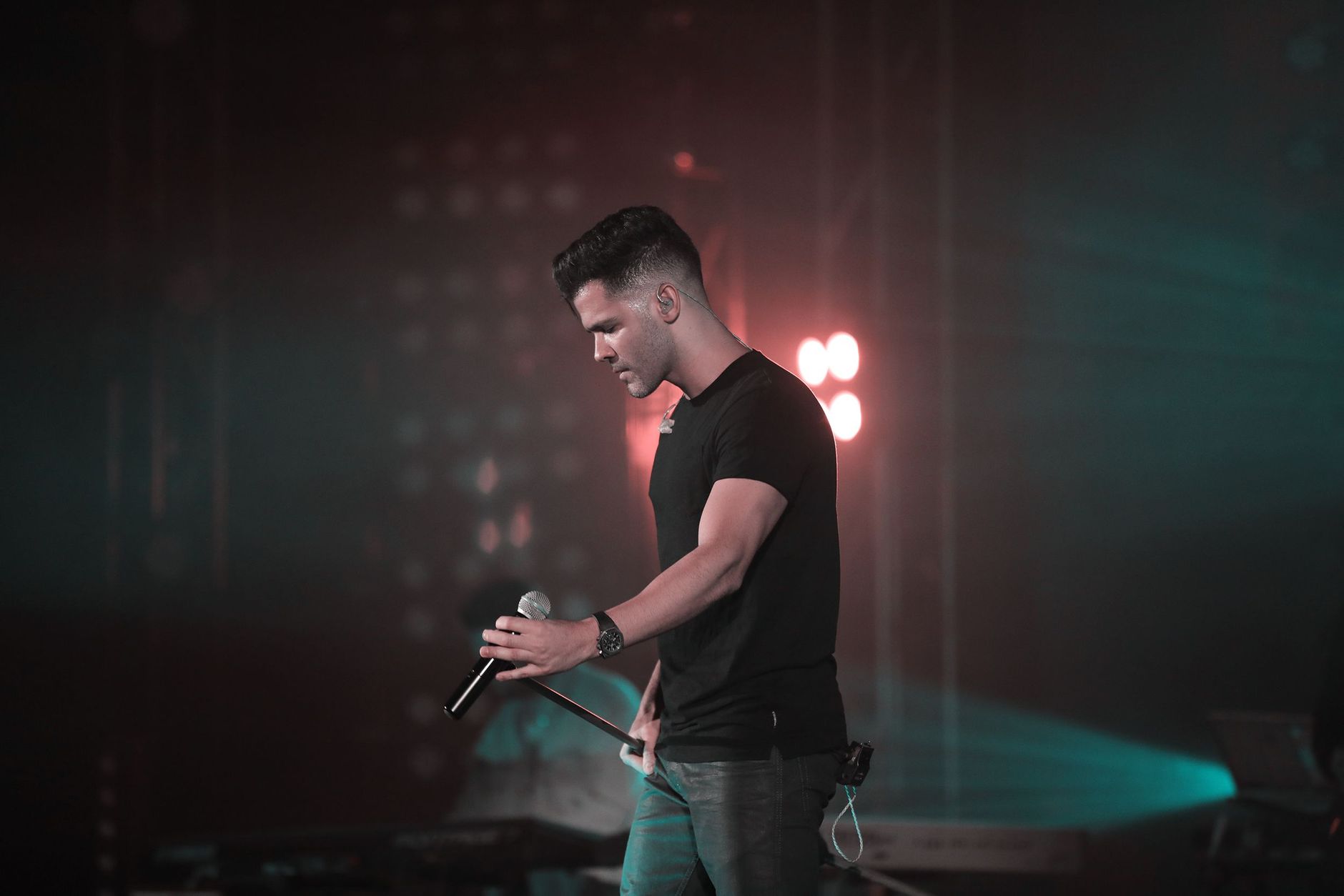
An Iranian singer has been sentenced to 74 lashes for performing in public without wearing a hijab, highlighting the ongoing tensions surrounding Iran’s strict dress code laws for women. This incident has drawn attention to the broader issues of personal freedoms and government enforcement of cultural norms in the country.
The singer, who has gained popularity for her music, was arrested after a performance where she appeared on stage without the mandated head covering. This punishment reflects the Iranian government’s intent to reassert its authority on social conduct, especially in light of recent protests that have challenged these regulations. Despite a noticeable decline in adherence to hijab laws among women in Iran, officials have expressed a commitment to intensifying enforcement.
The case has sparked widespread condemnation and outrage both within Iran and internationally. Human rights advocates argue that such severe punishments are indicative of a broader crackdown on artistic expression and personal autonomy. Many see the flogging as not just a punishment for the singer, but as a message to others in the creative community about the risks of defying state-imposed cultural norms.
In recent years, the issue of women’s rights in Iran has gained significant attention, particularly following the 2022 protests triggered by the death of Mahsa Amini, who died after being detained by the morality police for not wearing her hijab properly. These protests highlighted a growing discontent among the population regarding the enforcement of hijab laws, and many women have since taken to the streets, publicly removing their hijabs as a form of protest.
The Iranian government, however, has responded to these acts of defiance with increased surveillance and punitive measures. Officials have reiterated their stance on the necessity of the hijab, viewing it as a cornerstone of the Islamic Republic’s values. This has led to a cycle of resistance among women, who continue to challenge these mandates despite the risks involved.
The singer’s case is emblematic of the broader struggle for individual rights in Iran, where cultural and legal restrictions often clash with personal freedoms. As the situation evolves, many are calling for increased international attention on Iran’s human rights practices, particularly regarding the treatment of women and artists.
This incident serves as a stark reminder of the ongoing battle between state authority and individual expression in Iran, raising critical questions about the future of cultural freedoms in the country.