Iranians Gather for Week-Long Funeral Rites Honoring Ayatollah Ali Khamenei
In a significant display of national mourning, thousands of Iranians have converged on a major prayer complex in Tehran to participate in the funeral rites of the late Supreme Leader, Ayatollah Ali Khamenei. The week-long ceremonies commenced on Saturday, marked by a solemn atmosphere and a series of religious rituals, including the national anthem, recitations from the Quran, and heartfelt eulogies.
Khamenei, who led Iran for 37 years, passed away in February following a devastating airstrike attributed to the ongoing conflict involving the United States and Israel. His death has prompted a wave of public demonstrations reflecting both grief and a deep commitment to the Islamic Republic’s governance and its revolutionary principles. The government is using these mass gatherings to reinforce solidarity among the populace and to showcase the strength of the nation’s theocratic system.
Attendees at the funeral have described the atmosphere as a mix of sorrow and determination, with many expressing their unwavering loyalty to Khamenei and the ideals he championed. The ceremonies are a crucial moment for the Iranian leadership to rally support and maintain unity within the country during a time of political and social uncertainty.
As part of the memorial events, prominent clerics and political leaders have taken to the stage to extol Khamenei’s legacy, emphasizing his role in guiding Iran through turbulent times. Speakers have highlighted his contributions to regional politics, particularly his stance against Western influence and his support for various groups across the Middle East. These narratives serve to bolster the image of the Islamic Republic and to remind the public of the values that Khamenei embodied.
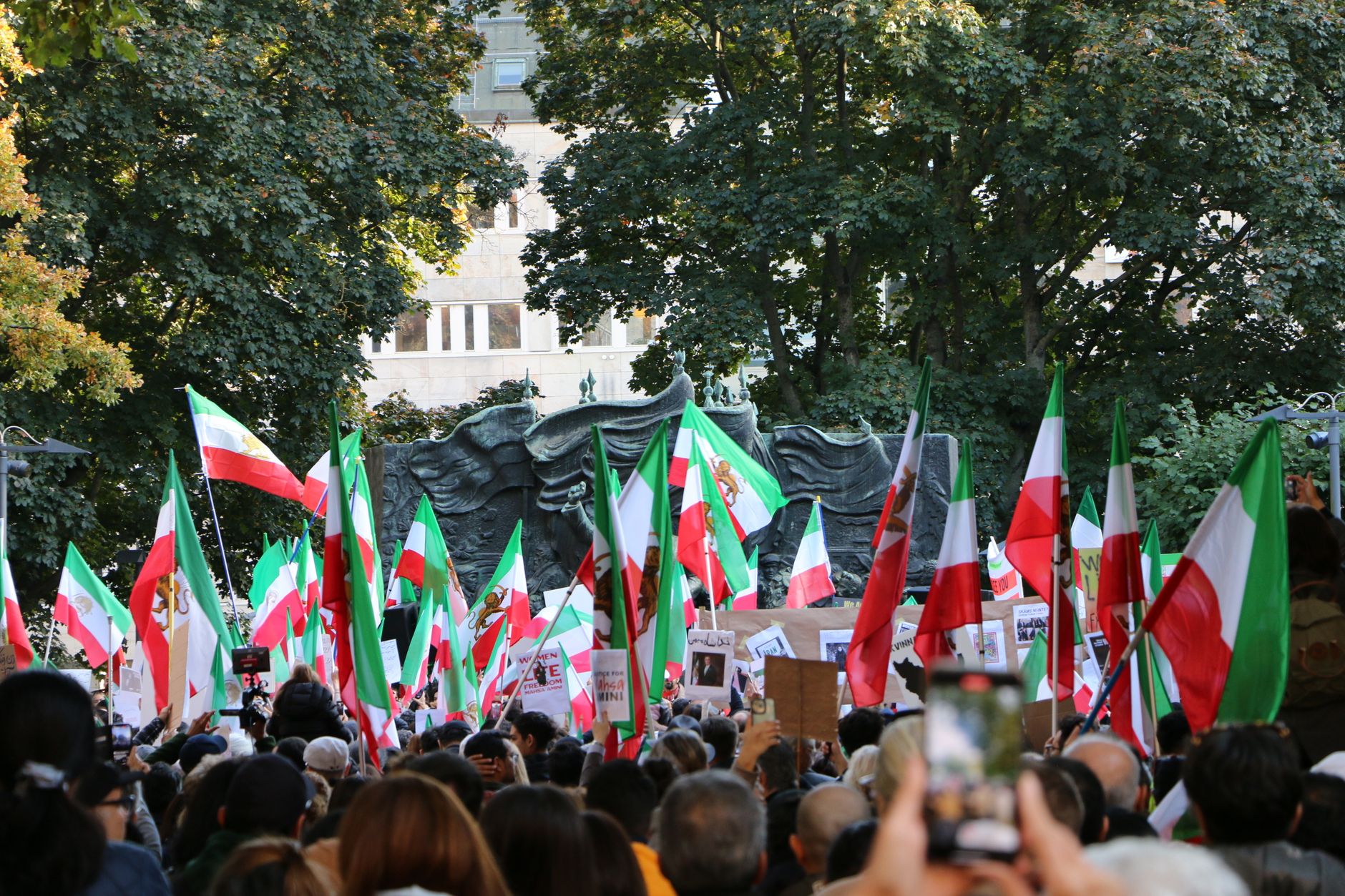
Despite the overwhelming displays of loyalty, the funeral rites also come at a time when Iran is facing numerous challenges, including economic difficulties, international sanctions, and ongoing protests over civil rights. Many citizens are grappling with the implications of Khamenei’s passing and what it means for the future of Iran’s leadership and policies.
While the government seeks to project an image of strength and continuity, analysts suggest that the transition of power in the wake of Khamenei’s death could lead to significant changes within the political landscape. Observers are closely watching how the leadership will navigate the challenges ahead, especially in light of the diverse opinions among the populace regarding the direction of the country.
The funeral rites for Ayatollah Khamenei represent not only a moment of collective mourning but also a pivotal juncture for Iran, as the nation reflects on its past while contemplating its future under new leadership.