Iran’s Executions Rise Amid Ongoing Protests and Conflict
Iran has witnessed a troubling increase in executions linked to the nationwide protests that erupted earlier this year. On Monday, the Iranian government executed a 23-year-old man named Ali Fahim, who was convicted for his role in an attack on a base belonging to the Revolutionary Guards’ Basij militia during the demonstrations in January. This execution underscores the ongoing tensions in the country, exacerbated by the broader conflict involving Israel and the United States.
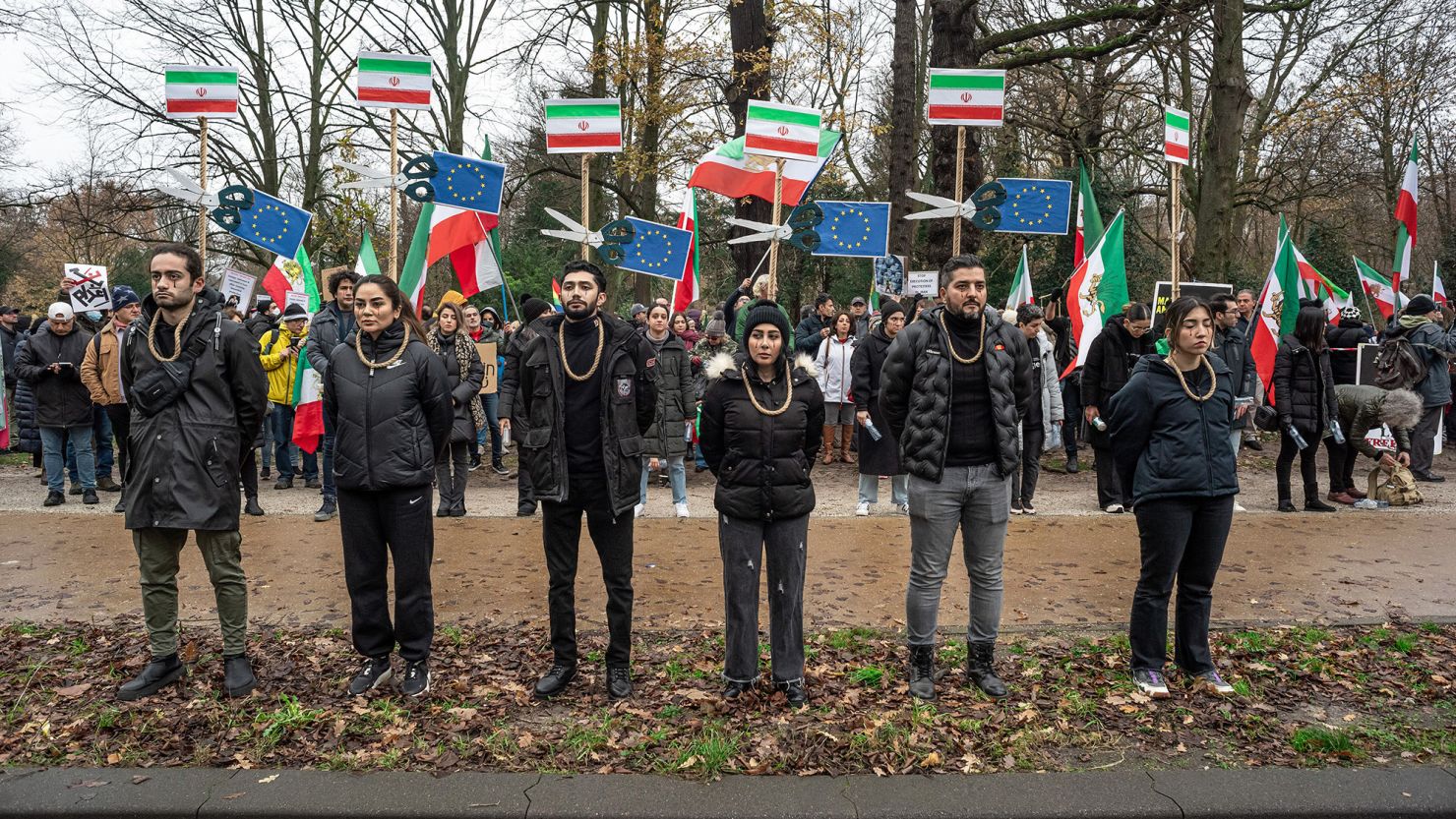
Fahim’s execution marks yet another instance in a series of capital punishments that human rights organizations have characterized as politically motivated. Activists argue that these actions are part of a larger strategy by the Iranian authorities to suppress dissent and maintain control amid a tumultuous political landscape. The protests, which began earlier this year, were largely fueled by widespread discontent with the government, economic challenges, and social injustices.
Rights groups have reported a concerning trend in Iran, where individuals involved in protests are often tried in expedited proceedings that lack transparency and fairness. This has raised alarms about the treatment of political prisoners and the broader implications for human rights in the country. The Iranian government, however, has defended its actions, asserting that it is taking necessary steps to restore order and security.
The backdrop of the ongoing conflict with Israel and the heightened tensions with the United States have further complicated the situation. As Iran navigates its geopolitical stance, the government has intensified its crackdown on dissent, viewing the protests as a threat to national stability. Many observers believe that the increasing number of executions serves as a warning to potential protesters and a means to deter future dissent.
The international community has expressed deep concern over the rise in executions and the treatment of political prisoners in Iran. Human rights advocates are calling for global attention to the situation, urging governments and organizations to pressure Tehran to halt these practices and engage in meaningful dialogue with its citizens.
As the situation unfolds, it remains critical for the international community to monitor developments in Iran closely. The implications of these actions extend beyond the borders of Iran, as they raise important questions about human rights, governance, and the future of civil liberties in the region. The plight of individuals like Ali Fahim serves as a stark reminder of the challenges faced by those who dare to speak out against authoritarian rule in times of crisis.