Iran’s High-Stakes Strategy: Balancing Provocation and Deterrence
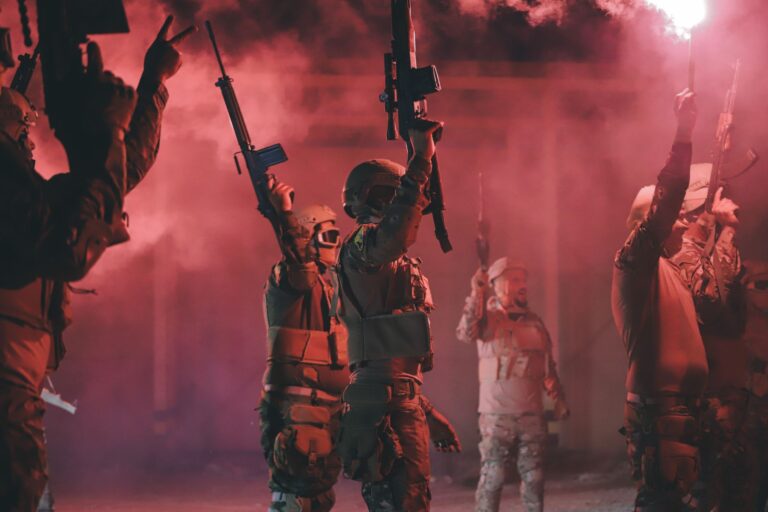
In a calculated move, Iran has escalated its military actions in the region, particularly targeting maritime vessels, while simultaneously banking on the assumption that the United States will refrain from escalating the situation into a full-blown conflict. This paradoxical strategy reflects Iran’s belief that it can enhance its long-term deterrent capabilities without provoking an all-out war.
Iran’s recent activities include a series of strikes on commercial ships, which Tehran frames as a response to perceived threats and aggressions from the U.S. and its allies. Analysts suggest that these aggressive maneuvers are intended to demonstrate Iran’s military capabilities and resolve, while also aiming to assert its influence in a region where it feels increasingly cornered by U.S. sanctions and military presence.
The Iranian leadership appears to be operating under a specific strategic calculus: limited and measured escalations could serve to restore a balance of power in the region, deterring adversaries without provoking an overwhelming response. This notion of “calibrated escalation” is rooted in Iran’s historical experiences, where they have sought to navigate the complex dynamics of power and conflict with a focus on maintaining sovereignty and regional influence.
Experts note that this dual approach reflects a deep understanding of U.S. foreign policy under the current administration. Iran seems to be counting on President Trump’s inclination to avoid new military entanglements, especially given the complexities of domestic politics and the upcoming elections. In this context, Tehran may believe that the U.S. will be reluctant to engage in direct military conflict, allowing Iran to operate within a gray area of aggression without crossing the threshold that would trigger a significant retaliatory response.
However, this strategy is fraught with risks. The potential for miscalculation remains high, and any incident at sea or an unexpected escalation could quickly spiral out of control, leading to unintentional consequences for both Iran and the United States. Moreover, regional allies of the U.S. may feel compelled to respond to Iranian actions, further complicating the situation.
As Iran continues to navigate this delicate balance, the international community watches closely. The situation highlights the broader geopolitical tensions in the Middle East, where issues of sovereignty, security, and deterrence remain deeply intertwined. For Arab-American communities, understanding the implications of these developments is crucial as they reflect not only on U.S.-Iran relations but also on the broader regional dynamics that affect their lives and interests.
In summary, Iran’s recent military actions represent a high-stakes gamble that seeks to bolster its deterrent posture while avoiding the full wrath of U.S. military power. As both nations maneuver through this complex landscape, the potential for escalation remains an ever-present concern.